Blog

  • NBA Fantasy: Top 150 for 2026-27 Points Leagues

    NBA Fantasy: Top 150 for 2026-27 Points Leagues

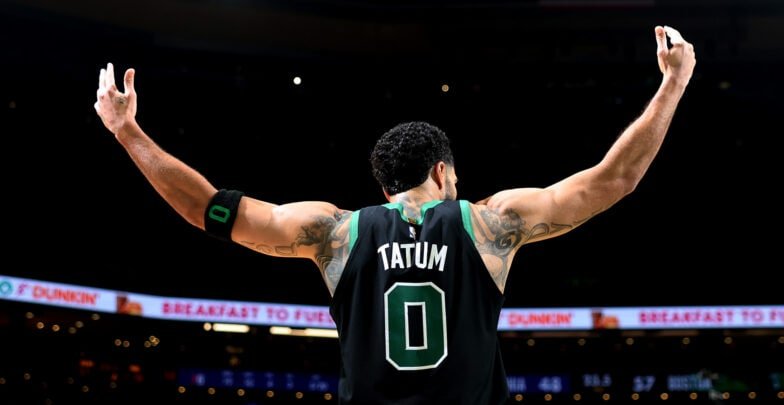
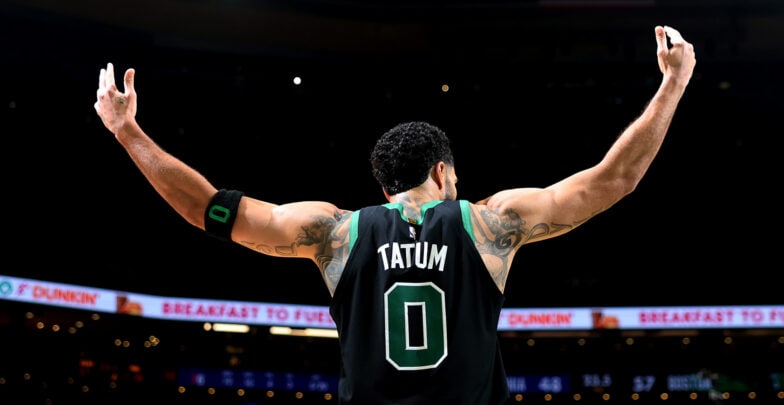
    Jayson Tatum is back as a first round pick in points leagues after recovering from his Achilles tear.

    The NBA preseason is just over two weeks away, meaning it’s time to start preparing for fantasy basketball! If you’re looking for an edge this season, RotoWire has you covered with their early top 150 points league rankings. Read on to see the rankings, plus analysis for each player for points formats, which value box score stats over efficiency.


    Round 1

    1. Nikola Jokić, Denver Nuggets — The most bankable box score in the sport. Points, rebounds and assists all at elite volume, in the neighborhood of 70 games, with triple-doubles arriving in bunches. Turnovers are the only real deduction and they’re nowhere near enough to matter.
    2. Victor Wembanyama, San Antonio Spurs — The blocks that make him a category-league cheat code are worth less here, but the rest of the line still plays: 25-plus points, double-digit boards, real assist and steal volume. The gap to Jokić is games played and passing volume, and it’s a small one.
    3. Luka Dončić, Los Angeles Lakers — With LeBron James in Philadelphia, Dončić owns the ball outright. Points leagues don’t care that the efficiency dips when his usage climbs. Dončić is one of the few players who can hit 30/8/8 nightly.
    4. Shai Gilgeous-Alexander, Oklahoma City Thunder — The one first-rounder whose profile is genuinely worse here than in categories. His value leans on scoring efficiency and free-throw accuracy, which points formats mostly ignore. Rebounds and assists are good rather than great. Still a top-five producer, just not the cheat code he is in 9-cat.
    5. Cade Cunningham, Detroit Pistons — Big-usage, ball-dominant guard with a heavy assist load and better rebounding than most point guards. He turns it over a lot, which is the one thing points leagues actually punish him for, but he outruns the penalty by volume. Cunningham will be 25 for the entire 2026-27 season and could still be improving.
    6. Giannis Antetokounmpo, Miami Heat — A worthy top 5 pick in points leagues. The free-throw percentage and the missing threes are category-league problems. In points leagues you just bank 30 points, 11 boards and 6 assists on huge minutes.
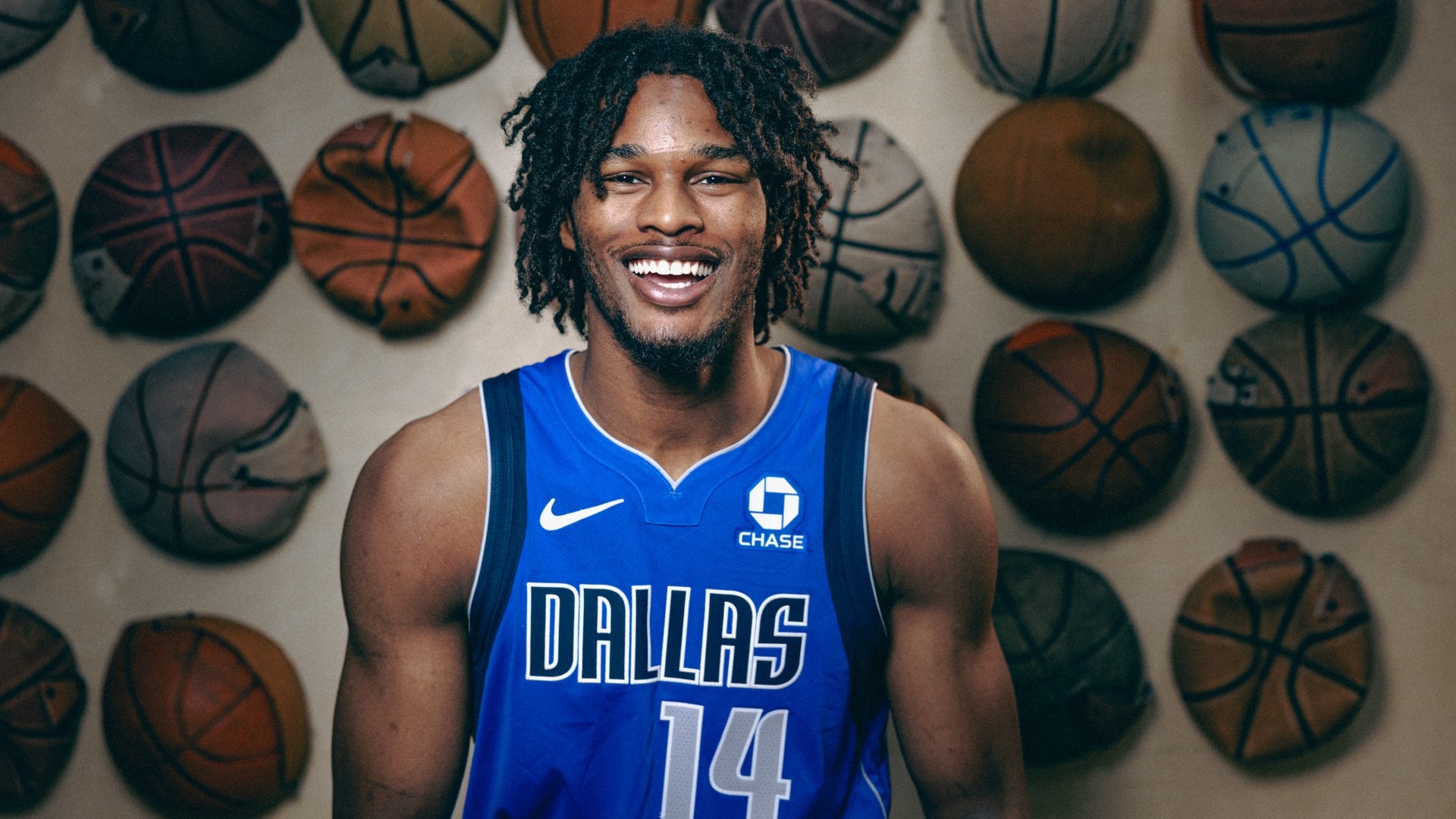
    7. Cooper Flagg, Dallas Mavericks — Finished his rookie year on a tear and now gets a full season of it. He fills every row of the box score. Kyrie Irving’s return should help the offense without meaningfully denting his touches.
    8. Jayson Tatum, Boston Celtics — A year removed from the Achilles tear and reinstalled as Boston’s clear first option with Jaylen Brown gone. Volume scoring plus eight rebounds and five assists is a strong points-league base; the only question is whether Boston manages his minutes early.
    9. Tyrese Maxey, Philadelphia 76ers — The draft price assumes a real touch reduction with Brown and James arriving. That’s a fair concern, but Maxey was a 27-and-7 guard last year, and even a meaningful haircut leaves a top-15 points-league line. Watch the minutes reports in camp.
    10. Anthony Edwards, Minnesota Timberwolves — Trading Naz Reid and Julius Randle for LaMelo Ball is a net positive for his supporting cast and a mild negative for his assist rate. Scoring volume is Edwards’ points league engine, though, and that could still increase.
    11. Jalen Johnson, Atlanta Hawks — Johnson is a counting-stat machine — 20/10/6 with steals and blocks — as Atlanta’s franchise piece. Games played is the only bet you’re making.
    12. Scottie Barnes, Toronto Raptors — Swapping Brandon Ingram for Kawhi Leonard trims his usage, but Barnes answers usage dips with rebounds, assists and defensive counting stats, so the total line holds up.

    Round 2

    1. Karl-Anthony Towns, New York Knicks — Strip out the shooting percentages that make him a category darling, and you still have a 24-and-12 center. That’s a clean second-round points-league asset, especially when considering center is a position of scarcity.
    2. Alperen Sengun, Houston Rockets — One of the very best values in this format. Sengun is a triple-double threat from the center spot, coming off career highs in assists. Points leagues reward that shape more than any other.
    3. Donovan Mitchell, Cleveland Cavaliers — Reliable high-volume scoring with James Harden absorbing the playmaking. Fewer assists than you’d like at this price, but the points total and the games played are steady year after year.
    4. Kevin Durant, Houston Rockets — Still capable of 26 points a night with good rebound and assist numbers for a wing. He’ll be 38 at the end of September so the risk is rest days and load management, plus the potential for decline. But his role is stable.
    5. Jalen Brunson, New York Knicks — Nothing changed in New York after the title, which means Brunson again leads the league’s most stable offense in usage.
    6. Amen Thompson, Houston Rockets — His shooting splits are the only flaw, and this format barely charges for them. What’s left is a wing putting up points, rebounds, assists, steals and blocks in bulk.
    7. Tyrese Haliburton, Indiana Pacers — An assist monster returning from an Achilles tear into an offense built entirely around him. There could be some load management, and he’s better in category formats.
    8. Jamal Murray, Denver Nuggets — Career-best season, partly propped up by Denver’s injuries. Even with Jokić healthy all year, Murray is the clear second engine on a high-possession offense, which makes his floor unusually high for a mid-second-round guard.
    9. Devin Booker, Phoenix Suns — A down shooting year buried his surface numbers, but he’s still Phoenix’s primary creator and their highest-usage player. Points leagues don’t make you eat the percentages — you just collect the points and assists.
    10. Jaylen Brown, Philadelphia 76ers — Brown is unlikely to reach the volume he did when he was the clear No. 1 option on the Celtics last year. But he’s still going to be a top 2 option for Philadelphia, especially considering presumed absences from Joel Embiid and potential for load management from LeBron James.
    11. Trae Young, Washington Wizards — Ten-assist upside is the most valuable single skill in points leagues outside of raw scoring. Washington has no one else to run the offense. The turnovers sting a little; the assist volume more than covers it.
    12. Austin Reaves, Los Angeles Lakers — Another player whose efficiency risk simply doesn’t apply here. With James gone, Reaves is a high-volume secondary creator with a green light.

    Round 3

    1. LaMelo Ball, Minnesota Timberwolves — Per-game production is worth a mid-second pick. Games played is the debate, and now there’s a second question: how much the offense funnels through Edwards.
    2. Kawhi Leonard, Toronto Raptors — Last season’s clean bill of health cuts against a decade of evidence. When he plays, he’s a 24-point scorer with strong defensive counting stats, but a Toronto roster full of options gives him easy excuses to sit when needed.
    3. Anthony Davis, Washington Wizards — Twenty games last year. The per-game profile is still first-round — scoring, double-digit boards, blocks — and in a points league the games he does play pay out enormously.
    4. Paolo Banchero, Orlando Magic — One of the largest format-driven moves on the board. He’s a 25-point, 8-rebound, 5-assist forward, and this format asks you to ignore the percentages and the thin steal and block totals entirely.
    5. Josh Giddey, Chicago Bulls — Career year across the board and a nightly triple-double threat, which is the highest-leverage archetype in this format. Chicago added depth around him, but he remains the offense’s hub.
    6. Domantas Sabonis, Sacramento Kings — With Russell Westbrook retired and DeMar DeRozan in Denver, Sabonis should reclaim a usage share he hasn’t had in two years. Last year’s injuries and team situation has knocked the price down on one of the few triple-double threats at the center position.
    7. Chet Holmgren, Oklahoma City Thunder — A category-league treasure (threes plus blocks from a center) whose raw counting totals are merely good. That doesn’t quite pay off in the same way for points formats.
    8. Deni Avdija, Portland Trail Blazers — An All-Star breakout built on exactly the stats this format pays for — scoring, rebounding and playmaking from a forward. The Ja Morant and Damian Lillard additions are a threat to his touches, which is why he’s a range pick rather than a lock.
    9. Bam Adebayo, Miami Heat — Points, rebounds, assists and steals from the center slot. Sharing the frontcourt with Antetokounmpo may cost him boards, but he’s one of the safest 30-plus-minute bets at the position.
    10. Jalen Duren, Detroit Pistons — Duren is a nightly double-double with rising free-throw, and Detroit did nothing to dilute his role. Low-variance production, though he has a relatively limited ceiling.
    11. Evan Mobley, Cleveland Cavaliers — One of the least controversial players on the board. Cleveland’s third option puts up a quiet 18/10/4 with blocks; the shooting slump that hurt him in categories barely registers here.
    12. Stephen Curry, Golden State Warriors — Curry’s fantasy value is unusually three-point-dependent, not to mention free-throw percentage – and that doesn’t translate well to points leagues. Add age 38 and the discount is justified.

    Round 4

    1. Walker Kessler, Los Angeles Lakers — Blocks and field-goal percentage are his calling cards, and this format doesn’t reward both meaningfully. What’s left is rebounds, dunks off Dončić passes and thin assist and free-throw numbers. Let him come to you in the fourth rather than chasing him in the third.
    2. James Harden, Cleveland Cavaliers — Still a 20-and-10 threat, which is exactly the shape you want. Points leagues do charge for his turnovers, unlike the High Score formats where he’s a second-round pick.
    3. Kon Knueppel, Charlotte Hornets — A second-year leap candidate handed Charlotte’s vacated usage after the Ball trade. The upside case is a 20-point scorer with a real assist load; the downside is a player whose value is mostly efficient shooting, which this format won’t reward.
    4. Pascal Siakam, Indiana Pacers — A points league riser. Haliburton’s return means fewer possessions but he’s still Indiana’s No. 2 option. A 20/7/4 forward at this price is solid, dependable points-league inventory.
    5. LeBron James, Philadelphia 76ers — Even in a reduced role, his per-minute box-score output is absurd, and points leagues reward the assists heavily. The bet is that Philadelphia doesn’t cut him to 28 minutes, or that he takes games off.
    6. Brandon Miller, Charlotte Hornets — Charlotte’s most likely usage winner post-LaMelo, with a case for a scoring jump toward 24 a night. The rebounds and assists are adequate, not a selling point.
    7. Jalen Williams, Oklahoma City Thunder — Wrist surgery and a hamstring problem wrecked last season. Healthy, he’s a 20-point wing with balanced secondary stats on a team that will win a lot of games — which in OKC’s case can mean fourth quarters off.
    8. Donovan Clingan, Portland Trail Blazers — Averaged a double-double in 27.2 minutes a game as a sophomore. More minutes is the upside play, as Portland’s frontcourt is his to claim. Blocks are a bonus rather than the point here.
    9. Joel Embiid, Philadelphia 76ers — When he plays, he’s an elite points league producer. But Philadelphia’s upgrades cut both ways: less pressure means fewer minutes, but also less reason to push him. Draft him as a high-variance swing, not a foundation.
    10. Stephon Castle, San Antonio Spurs — One of the format’s best buys. His two flaws — shooting efficiency and turnovers — are the two things points leagues discount most heavily relative to categories. The counting stats are strong.
    11. Trey Murphy III, New Orleans Pelicans — Down compared to category formats. He’s an efficient scorer and high-volume three-point shooter, which is a category-league profile. Twenty points with modest rebounds and assists is a fine but unspectacular points-league line, and Dejounte Murray’s return trims the usage.
    12. Derrick White, Boston Celtics — The steals-and-blocks combination that makes him a 9-cat gem is worth much less here. Fewer shots with Tatum back and George added. Solid, not exciting.

    Round 5

    1. Lauri Markkanen, Utah Jazz — Down 16 spots. Utah’s win-now additions should help his availability but will eat into his shot volume, and Markkanen contributes relatively little outside of scoring and rebounding. That concentration is a liability at this price.
    2. Kyrie Irving, Dallas Mavericks — The low turnover rate and clean efficiency that make him a category-league standout are largely irrelevant here. He’s a 24-and-5 guard coming off an ACL tear at 34. Fine value, capped upside.
    3. Cameron Boozer, Memphis Grizzlies — The best-positioned rookie on the board, and the market is climbing toward him fast. Memphis will hand him minutes and playmaking responsibility immediately, and points leagues absorb rookie inefficiency without complaint.
    4. Franz Wagner, Orlando Magic — Orlando’s second option at 22 points, 5 rebounds and 5 assists when healthy. Two injury-shortened seasons is the discount; the role is secure behind Banchero.
    5. Matas Buzelis, Chicago Bulls — Led every Bull not named Giddey in counting stats while playing under 30 minutes. If the minutes come, so does a second breakout.
    6. Jaren Jackson Jr., Utah Jazz — Blocks and threes from a big are worth a premium in categories and ordinary money here. Utah’s crowded depth chart caps the ceiling.
    7. Julius Randle, Brooklyn Nets — Likely to lead Brooklyn in points and assists combined. Worth taking a round ahead of where category drafters will let him slide.
    8. Darius Garland, Los Angeles Clippers — Clear second option in Los Angeles alongside Ingram after a messy injury-and-trade season. Assist volume is the draw; rebounds and defensive stats are nearly nonexistent.
    9. Onyeka Okongwu, Atlanta Hawks — Atlanta’s entrenched starting center with a double-double baseline. His new three-point range matters less here than the fact that he’s playing 32 minutes a night.
    10. Ivica Zubac, Indiana Pacers — Down year, injuries, midseason trade — but Zubac is expected to bounce back. Rebounding volume and easy interior scoring with Haliburton feeding him is a strong center floor.
    11. Tyler Herro, Milwaukee Bucks — A true lead playmaker for the first time in his career. That means the highest usage he’s ever had and a real assist total to pair with 23-plus points. Injuries have capped his potential in the past.
    12. Keyonte George, Utah Jazz — He produced at an All-Star level in a limited sample, but Peterson, Jackson and Markkanen all need touches. Better efficiency could be on the way this year from George, but that doesn’t help here if the volume is reduced.

    Round 6

    1. Dyson Daniels, Atlanta Hawks — The elite steals season that made him a category league-winner didn’t repeat, and steals are worth far less here anyway. What remains is a low-usage wing with well-rounded box score output.
    2. Dejounte Murray, New Orleans Pelicans — Back from an Achilles tear into 30-plus minutes and a big offensive role. Points, assists and steals in bulk when right; the recovery timeline has drafters cautious.
    3. Desmond Bane, Orlando Magic — A high-efficiency, high-volume shooter whose counting stats outside of scoring are thin, but he’s fairly safe as Orlando’s No. 3 option.
    4. Caleb Wilson, Chicago Bulls — The rookie is expected to start and play 30 minutes for a Chicago team with minutes to hand out. Efficiency is often an issue for first-year players, but that doesn’t matter here, and Wilson has the potential to stuff the stat sheet on both sides of the ball.
    5. Nickeil Alexander-Walker, Atlanta Hawks — The Most Improved Player award came from a 3-and-D profile, and 3-and-D isn’t as valuable in points formats.
    6. AJ Dybantsa, Washington Wizards — The No. 1 overall pick’s self-creation translates directly to this format, and his shaky three-point shot — the main knock on him — barely costs anything. Usage competition with Young and Davis is the catch.
    7. Naz Reid, Charlotte Hornets — Moving from sixth man to starting power forward should push him past 30 minutes for the first time. Scoring and rebounding volume with a bit of playmaking.
    8. VJ Edgecombe, Philadelphia 76ers — Strong rookie year, but Philadelphia’s offseason makes a sophomore leap in touches unlikely. Still, minutes should not be an issue, and development is on the table.
    9. Zion Williamson, New Orleans Pelicans — A points league riser as a volume scorer, with rebounds and assists chipped in. Sixty-two games last year is encouraging by his standards.
    10. Alex Sarr, Washington Wizards — Still a starter, but Davis and Dybantsa reshaped the roster around him. His value skews toward blocks and stretch shooting, both discounted here.
    11. Brandon Ingram, Los Angeles Clippers — A 20/5/5 player in the clear top two of his offense after the Kawhi swap. He slips in drafts due to injury history.
    12. Michael Porter Jr., Brooklyn Nets — Randle’s arrival costs him shots, but he may still lead Brooklyn in scoring. The three-point volume that inflates his category value does less for him here.

    Round 7

    1. Dylan Harper, San Antonio Spurs — A playoff breakout at 22.6 regular-season minutes as a rookie, and San Antonio’s backcourt logjam is the obstacle. But a second-year jump seems likely, even if it’s more of a gamble than many drafters would like.
    2. Kel’el Ware, Milwaukee Bucks — Ware’s category league profile loses most of its force here. Points leagues just need the minutes to come, and on a rebuilding Milwaukee team, they probably will.
    3. OG Anunoby, New York Knicks — The premier mid-round 3-and-D pick in category formats is more of an ordinary wing here.
    4. Damian Lillard, Portland Trail Blazers — The hope is that even a diminished Lillard produces points and assists at volume. The crowded Portland guard rotation is a real problem, and a year off an Achilles tear is another.
    5. Rudy Gobert, Minnesota Timberwolves — Rebounds, dunks and 70-plus games. His blocks and field-goal percentage are worth much more in categories, but the rebounding volume alone keeps him relevant here.
    6. Derik Queen, New Orleans Pelicans — Eighty-one games as a rookie with flashes of a complete offensive game. New Orleans’ frontcourt minutes are the only thing standing between him and a breakout.
    7. Payton Pritchard, Boston Celtics — Career highs across the board, then Tatum returned and George arrived. Expect a step back in volume from a player whose value is substantially three-point-driven — a bad combination for this format.
    8. Zach Edey, Memphis Grizzlies — Excellent per-minute rebounding and scoring, coming off a lost season with a foot injury. Everything depends on whether he reaches 30 minutes and stays healthy.
    9. Ryan Rollins, Milwaukee Bucks — Last year’s breakout came with Antetokounmpo out; now Herro is in town and Porter and Burries are competing for the same backcourt minutes. His role is just a little more murky than fantasy managers would like it to be.
    10. Ausar Thompson, Detroit Pistons — The perimeter defense doesn’t pay here, but the rebounding, steals and transition scoring do, and his poor shooting — the thing that sinks him in category leagues — costs him almost nothing in this format. Thirty minutes would make him a value.
    11. De’Aaron Fox, San Antonio Spurs — Castle and Harper have eaten into his expected usage, but a healthy Fox is still a 22-and-6 guard. Bounce-back candidate at a discounted price.
    12. Mikal Bridges, New York Knicks — The most durable player in basketball, which is worth real money over 82 games of accumulation. The per-game line took a step back, and nothing about New York’s situation suggests it returns.

    Round 8

    1. Jaden McDaniels, Minnesota Timberwolves — Improving self-creator whose looks may get easier with LaMelo running the offense. Scoring and rebounding with useful steal and block totals, though none of it at high volume.
    2. Coby White, Charlotte Hornets — Now the unambiguous starting point guard in Charlotte. That role change is worth more than his injury-hit final season in Chicago suggests.
    3. Jarrett Allen, Cleveland Cavaliers — A nightly double-double threat whose minutes keep slowly eroding. Reliable floor, no ceiling, and Cleveland’s frontcourt depth caps the minutes.
    4. Ja Morant, Portland Trail Blazers — The per-game scoring and assist numbers are excellent; the games played and the Portland guard logjam are not.
    5. Darryn Peterson, Utah Jazz — The No. 2 pick starting at shooting guard means volume even if the efficiency is rough — exactly the trade points leagues are happy to make. Tough competition keeps the ceiling in check.
    6. Paul George, Boston Celtics — Fifty-six or fewer games in six of seven seasons at age 36. His skillset is 3-and-D plus self-creation; only the last part carries much weight here.
    7. Miles Bridges, Phoenix Suns — A starting forward who scores and rebounds in volume, third in line behind Booker and Green. The role is modest but the minutes are secure.
    8. Nic Claxton, Chicago Bulls — Rebounds, blocks and lobs from Giddey. The field-goal percentage recovery that excites category managers is beside the point — what matters is that Chicago acquired him to play him.
    9. Jabari Smith Jr., Houston Rockets — A career-high 31.5 minutes produced solid across-the-board numbers. Finding more shots behind Durant, Sengun, Thompson and VanVleet is the problem. High floor, low ceiling.
    10. Norman Powell, Chicago Bulls — Two straight 20-point seasons on two different teams. Pure scoring volume is more valuable in this format than in categories, but he contributes very little else.
    11. Day’Ron Sharpe, Brooklyn Nets — Apparently the starting center on a team with nothing to lose. Elite rebounding rate plus efficient interior scoring. The per-minute production has always been there.
    12. Cedric Coward, Memphis Grizzlies — Sophomore breakout candidate with more minutes coming on a young Memphis roster.

    Round 9

    1. Josh Hart, New York Knicks — Rebounds and assists from a wing is a good points-league shape, but the minutes dipped last year, and New York’s rotation is set. His new three-point accuracy is a category-league consideration.
    2. Ty Jerome, Memphis Grizzlies — Career-high per-game production in 15 healthy games. The talent is obvious, and the minutes projection is a total guess — a classic late-middle-round lottery ticket.
    3. Jalen Green, Phoenix Suns — Another explicit points-league riser. He scores in bursts without much else, which is a profile this format treats far more kindly than 9-cat does.
    4. Jaime Jaquez Jr., Milwaukee Bucks — He took a big step forward in Miami and has the inside track on forward minutes in a wide-open Milwaukee rotation.
    5. Darius Acuff Jr., Sacramento Kings — A rookie point guard expected to start on a rebuilding team is a usage play. Assists and turnovers will both be high; the trade favors points formats.
    6. Immanuel Quickley, Toronto Raptors — His mid-round category value leans on threes and free-throw shooting. The raw points and assists totals are merely fine, and Toronto’s roster is crowded.
    7. RJ Barrett, Toronto Raptors — He’s a nightly 20-point scorer who does very little for category league managers.
    8. Neemias Queta, Boston Celtics — Breakout season as a double-double threat, now sharing the position with Mitchell Robinson, which creates a minutes risk.
    9. CJ McCollum, Atlanta Hawks — Steady backcourt scoring in a defined role. Nothing here is exciting, and nothing is likely to collapse either.
    10. Kristaps Porziņģis, Golden State Warriors — On a per-game basis he demolishes this price, but he’s cleared 65 games twice in his career and his minutes keep shrinking.
    11. Myles Turner, Milwaukee Bucks — Drafters are wildly split on Turner. His fantasy identity is blocks and threes from a center, which is a category-league identity. A rough first year in Milwaukee and an unsettled roster make him hard to trust here.
    12. Andrew Wiggins, Miami Heat — Third scoring option behind Antetokounmpo and Adebayo, doing what he’s done for most of his career.

    Round 10

    1. Isaiah Hartenstein, Oklahoma City Thunder — Well-rounded center production — rebounds, assists, efficient interior scoring — limited by calf issues and Oklahoma City’s depth.
    2. Ayo Dosunmu, Minnesota Timberwolves — Earned a five-year deal after starring in an expanded role. Expect real minutes on a high-paced Minnesota team, with scoring and assists as the main contributions.
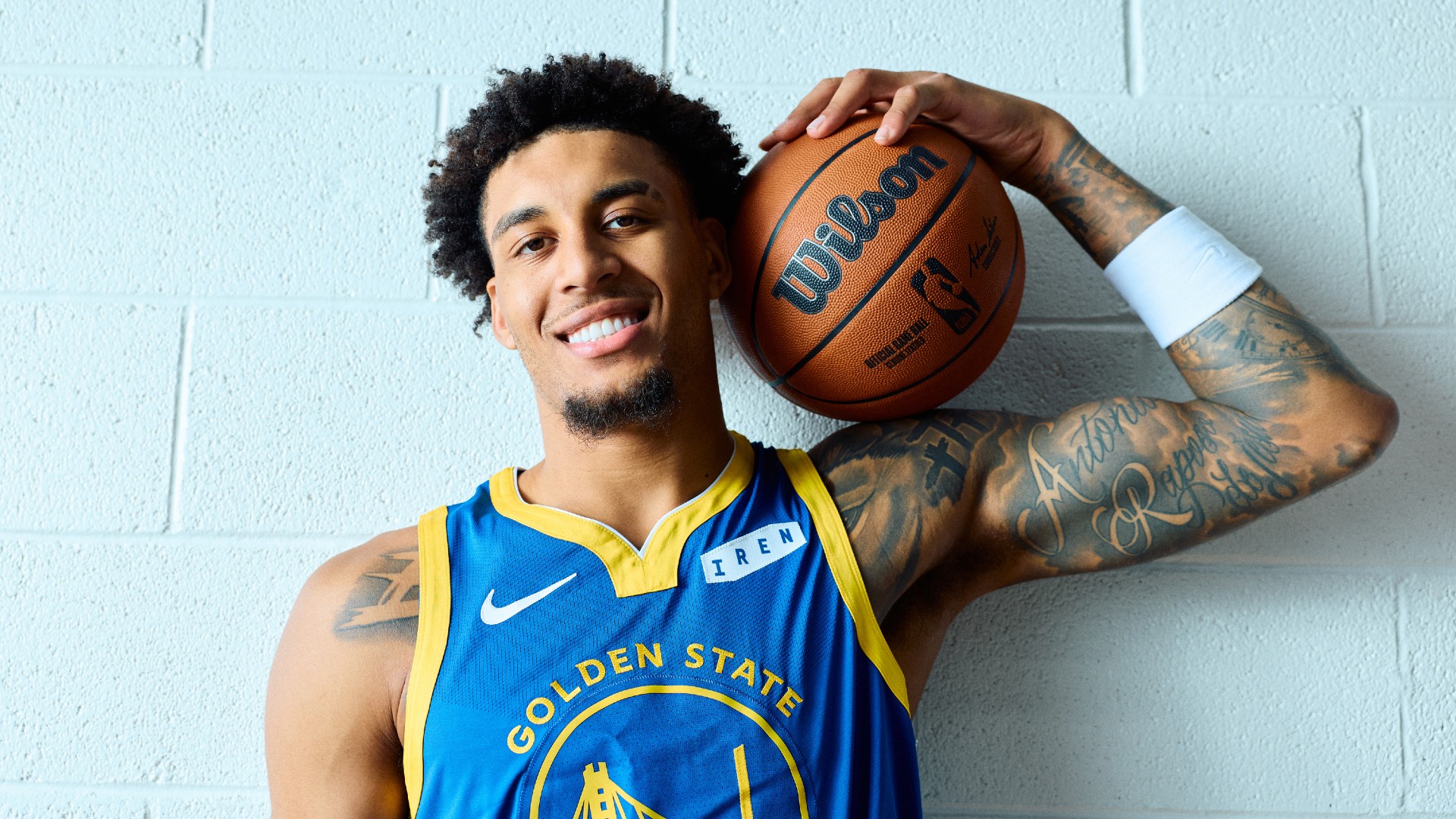
    3. Yaxel Lendeborg, Golden State Warriors — A rookie with a chance to start in Golden State’s system. Speculative, but the minutes case is interesting.
    4. Brandin Podziemski, Golden State Warriors — Career highs again last year and a defined role in the Warriors’ offense. Rebounds and assists from a guard make him more useful here than his scoring average suggests.
    5. Ajay Mitchell, Oklahoma City Thunder — In line for more usage after Oklahoma City’s wing exodus. Sixth Man candidate with starter upside.
    6. DeMar DeRozan, Denver Nuggets — A potential 30-minute scorer taking open shots created by Jokić, who has never come off the bench since his rookie year. Points-league value is almost entirely scoring volume, and he’ll have plenty.
    7. Khaman Maluach, Phoenix Suns — With Mark Williams out a chunk of the season, Maluach may step into a starting role after an impressive Summer League. There’s a lot of speculation by drafting him here, but upside as a potential double-double with two blocks threat.
    8. Jeremiah Fears, New Orleans Pelicans — Microwave scorer with a decent all-around line. Dejounte Murray’s return and the addition of Bennedict Mathurin make a leap harder, but the usage when he’s on the floor is high.
    9. Jalen Suggs, Orlando Magic — His value is concentrated in steals, threes and defense, which doesn’t translate well in points leagues. Suggs’ health is also a factor.
    10. Peyton Watson, Cleveland Cavaliers — First clear path to a full-time starting job after a Year 4 breakout in Denver. Improves every offseason, but usage will be tough to come by.
    11. Ace Bailey, Utah Jazz — Finished his rookie year strong and should have scoring volume off the bench even if he doesn’t start. Shot-taking, not shot-making, is what matters here.
    12. Collin Murray-Boyles, Toronto Raptors — Carved out a role as a rookie while Jakob Poeltl was hurt. Versatile forward stats across the board, but how many minutes are available?

    Round 11

    1. Aaron Gordon, Denver Nuggets — Despite injuries, Gordon has a safe role and good chemistry with Jokić and Murray.
    2. Jusuf Nurkić, Utah Jazz — Likely starting again with Kessler in Los Angeles. Rebounds and assists from the center spot is a solid late-round shape even with modest scoring.
    3. Toumani Camara, Portland Trail Blazers — A starter-level 3-and-D forward is close to the least valuable archetype in points leagues. Minutes are the only draw.
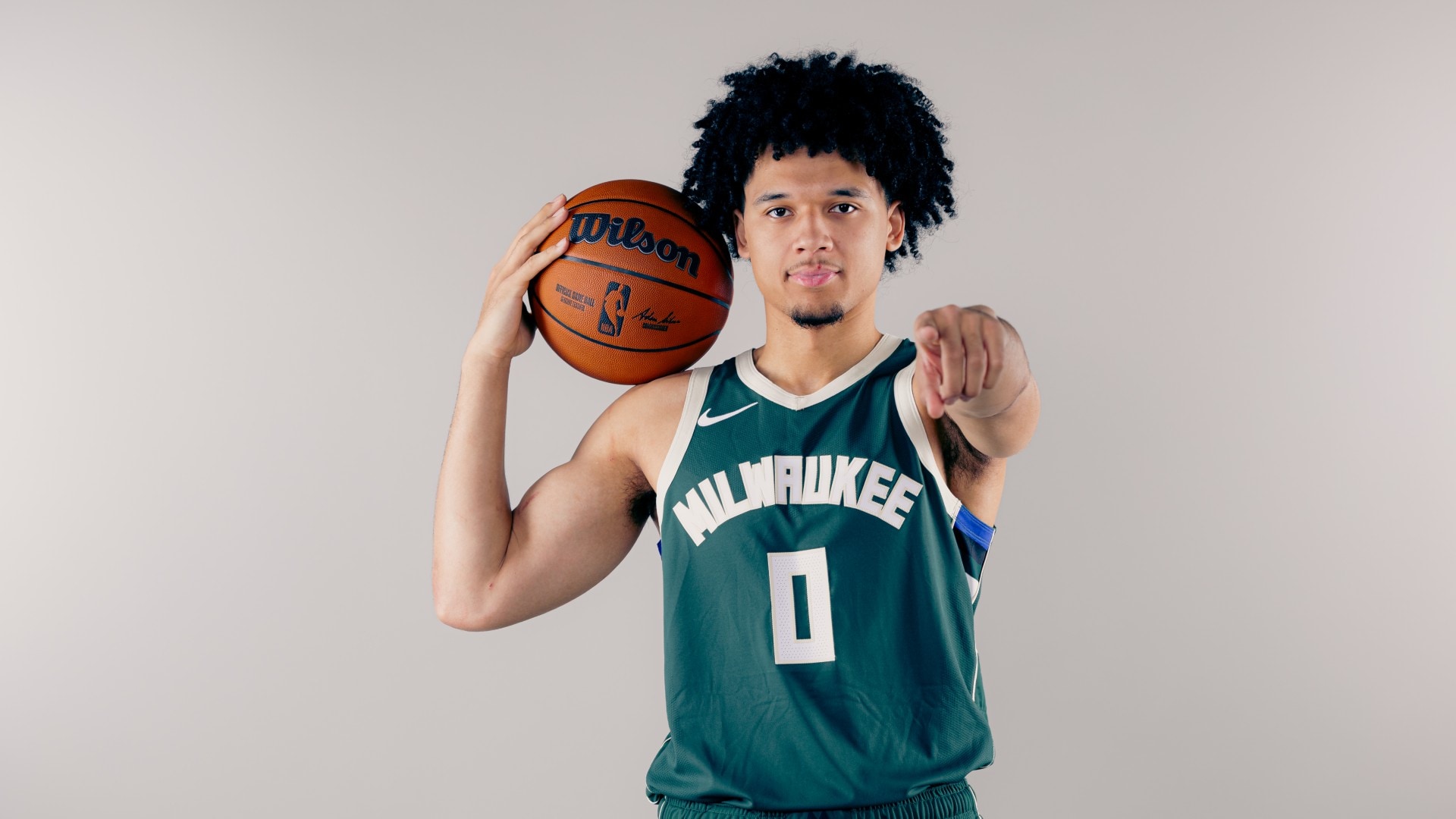
    4. Kevin Porter Jr., Milwaukee Bucks — Career-best numbers in 38 games, then Milwaukee added Herro and Burries and Rollins kept improving.
    5. Keegan Murray, Sacramento Kings — Twenty-three games last year. A healthy season during Sacramento’s rebuild should mean minutes and shots. The production has historically been scoring and rebounding without much else.
    6. Sandro Mamukelashvili, Los Angeles Lakers — Career year in Toronto, now the primary frontcourt backup behind a thin Lakers group. Strong per-minute scorer with sixth-man upside.
    7. Fred VanVleet, Houston Rockets — Missed all of last season with a torn ACL and shot poorly the year before. The assist volume is the reason to care; the rest of the line is thin for a 32-year-old guard.
    8. John Collins, Detroit Pistons — Replacing Tobias Harris in Detroit should mean more minutes and touches than he had with the Clippers. Scoring and rebounding at moderate volume.
    9. Cameron Johnson, Denver Nuggets — His counting stats collapsed in Denver even as the shooting held up, which is the kind of season that grades far better in categories than here. The bounce-back case rests on volume returning.
    10. Reed Sheppard, Houston Rockets — Took a step forward but still isn’t fully trusted, and Houston added Smart while getting VanVleet back. The path to minutes narrowed.
    11. Kyshawn George, Washington Wizards — Real Year 2 improvement, but Washington’s roster got much busier, making it tough to evaluate minutes and usage.
    12. Davion Mitchell, Miami Heat — The case for him is built on assists plus a tiny turnover rate, plus a safe role in Miami’s gameplan.

    Round 12

    1. Maxime Raynaud, Sacramento Kings — He made himself relevant as a rookie but is stuck behind a healthy Sabonis, which caps everything.
    2. Zach LaVine, Sacramento Kings — Heavy usage on a rebuilding team is a good points-league setup. The problem is that he’s missed 108 games in three years and could be traded into a smaller role.
    3. Cason Wallace, Oklahoma City Thunder — A steals specialist with a thin offensive profile is a category-league asset. He needs the extra usage to actually convert into shots.
    4. P.J. Washington, Dallas Mavericks — Dependable starting power forward production — mid-teens scoring, seven rebounds — with rookie Morez Johnson as a downside risk.
    5. Jrue Holiday, Portland Trail Blazers — Age 36 with Morant and Lillard added ahead of him. The all-around line is still respectable; the offensive workload is shrinking.
    6. Anthony Black, Orlando Magic — A third-year breakout fueled by teammate injuries. With Orlando healthy, the minutes and touches aren’t obviously there for another step.
    7. Egor Dëmin, Brooklyn Nets — Flashed as a rookie shooter but struggled finishing inside, and now Mikel Brown Jr., Randle and Porter Jr. are all ahead of him in the pecking order.
    8. Christian Braun, Denver Nuggets — Should play 30-plus minutes again, but last year’s across-the-board regression makes the production hard to project.
    9. Devin Vassell, San Antonio Spurs — A source of late-round threes for category managers — and less interesting in points leagues. Declining usage on a rising team.
    10. Andrew Nembhard, Indiana Pacers — Posted 16.9 points and 7.7 assists with Haliburton out. Haliburton is back, so treat last year’s line as a ceiling, not a baseline.
    11. Saddiq Bey, New Orleans Pelicans — Career year after missing all of 2024-25. New Orleans has a long line of players competing for the same possessions.
    12. Mikel Brown Jr., Brooklyn Nets — Expected to start at point guard as a rookie on a bad team, and starting point guards accumulate points and assists.

    Round 13

    1. Bennedict Mathurin, New Orleans Pelicans — Career highs last season across two teams, but he now projects as a sixth or seventh man. Scoring punch off the bench.
    2. Quentin Grimes, Los Angeles Lakers — Release valve for Dončić and Reaves, but will be competing to be the third option. That gives him some upside.
    3. Collin Gillespie, Phoenix Suns — Broke out for a banged-up Suns team and signed an extension. With Phoenix healthy, he probably comes off the bench, and his value is largely three-point shooting.
    4. Tari Eason, Houston Rockets — One of the better per-minute producers in the league — steals, rebounds and scoring — trapped in a deep Houston rotation. Interesting value with upside if anyone above him goes down.
    5. Jakob Poeltl, Toronto Raptors — A back issue limited him to 46 games and 25 minutes, and his standout stat last year was field-goal percentage — worth a great deal in categories and almost nothing here.
    6. Grayson Allen, Charlotte Hornets — Mid-20s minutes firing threes for Charlotte. In a category league, that’s a useful specialist; in a points league it’s a streaming option.

  • ¿Nodal manda mensaje de apoyo a Gala Montes y Cazzu explota? ¡La verdad del post que circula en redes!

    ¿Nodal manda mensaje de apoyo a Gala Montes y Cazzu explota? ¡La verdad del post que circula en redes!

    En las últimas semanas, Gala Montes ha generado preocupación por un supuesto brote psicótico derivado de su presunta adicción a las sustancias ilícitas. Muchos internautas, incluyendo famosos, han expuesto su opinión ante esta situación y hasta le han sugerido que “busque ayuda”.

    En medio de todo esto, comenzó a circular un post FALSO de Christian Nodal apoyando a la actriz. Lo que llamó la atención es que supuestamente Cazzu, su expareja y madre de su hija, le habría contestado. Te contamos toda la verdad sobre la publicación viral.

    No te pierdas: ¿Emiliano Aguilar busca reconciliarse con Gala Montes? Lanza mensaje tras polémica ruptura: “Te deseo”

    Christian Nodal

    ¿Christian Nodal defendió a Gala Montes?

    /

    Mezcalent

    ¿Qué está pasando con Gala Montes?

    En las últimas semanas, Gala Montes ha mostrado comportamientos tachados por muchos como “erráticos”. Desde dejar ‘La casa de los famosos México 2026’ por un tampón hasta hacerse un corte de pelo que algunos opinan que no le favorece en nada.

    Ha circulado la versión de que, presuntamente, tiene una fuerte adicción a las sustancias ilícitas. Esto ha sido respaldado por su madre, Crista Montes, quien hasta ha expresado su deseo de que la joven se interne en un centro de rehabilitación.

    Pese a los consejos que han expresado famosos como Yolanda Andrade y Poncho de Nigris, Gala insiste en que está bien y ataca a todo aquel que se atreve a hablar del tema, sin importar si es para bien o para mal.

    Según la también cantante, empezó a consumir cannabis después de perder el contacto con su sobrina. No obstante, asegura que no tiene problemas de adicción y le ha pedido a la gente que deje de meterse en su vida.

    Incluso ha bromeado pidiéndole a la gente que, si tanto se preocupaba por ella, mejor le donaran dinero, resaltando que simplemente está “triste y sola”, como siempre lo ha estado en la vida. Recordemos que la celebridad está distanciada de su familia y recientemente terminó su romance con Emiliano Aguilar, el cual inició como una infidelidad a Icho Van, su ex.

    Lee: ¿Adrián Marcelo se burló de Gala Montes? Tras presunto “colapso mental” de la actriz, él comparte: “El karma”

    Gala Montes

    Gala Montes dice que Emiliano Aguilar es un cobarde

    /

    Redes sociales

    El FALSO post viral de Christian Nodal apoyando a Gala Montes

    En redes sociales, se ha viralizado un presunto post que habría hecho Christian Nodal en apoyo a Gala Montes. Supuestamente, el cantante le dice que es alguien muy talentosa y que la gente quiere “verla bien”.

    “Mucha fuerza para Gala Montes, una gran actriz y cantante que en estos momentos necesita sentir el cariño y apoyo de todo el país. Ojalá sepa que hay muchas personas que la queremos, que nos preocupamos por ella y que deseamos verla bien. Todo mi apoyo para Gala”.

    Mensaje atribuido a Nodal

    La publicación habría recibido respuesta de Cazzu, quien presuntamente le exige que mejor le haga caso a su hija, en lugar de preocuparse por otras personas: “No te preocupas ni por tu hija y andas preocupado por @GalaMontes2”, se lee.

    La mayoría de los usuarios detectaron rápidamente que el post era FALSO y hasta hicieron bromas al respecto. No obstante, hubo algunos que sí lo creyeron y dieron su postura al respecto; algunos aplaudiendo a Cazzu y otros arremetiendo en su contra por “seguir molestando a su ex”.

    Cabe mencionar que realmente ninguno de los dos ha opinado nada acerca del tema, pese a que, de cierta manera, estarían involucrados. Y es que Nodal es esposo de Ángela Aguilar, hermana de Emiliano Aguilar, quien a su vez es exnovio de Gala.

    Christian Nodal

    Post FALSO de Christian Nodal

    /

    Redes sociales

    ¿Por qué Christian Nodal y Cazzu terminaron?

    La historia de amor entre Christian Nodal y Cazzu ha sido una de las más comentadas del medio artístico. Comenzaron a salir en 2022. Al año siguiente, le dieron la bienvenida a su primera y única hija en común.

    Todo parecía ir bien hasta que, en mayo de 2024, lanzaron un comunicado anunciando la separación. Sin explicar motivos, simplemente señalaron que mantendrían una relación cordial por el bien de su pequeña.

    Dos semanas después, Nodal confirmó su relación con Ángela Aguilar, su actual esposa. A raíz de esto, muchos sospecharon que la cantante habría sido la “tercera en discordia” en la relación entre el mexicano y la argentina. El matrimonio ha negado esto en varias ocasiones.

    Pese a las explicaciones, Ángela sigue siendo considerada por muchos como “la amante”. Lo último que se supo sobre Cazzu y Nodal es que estaban en medio de una batalla legal por temas relacionados con su hija.

    Mira: Crista Montes anuncia silencio para proteger a Gala; Emiliano Aguilar revela que la bloqueó y ella confirma romance

    Christian Nodal y Cazzu

    Christian Nodal y Cazzu terminaron en 2024

    /

    Redes sociales

  • Semana del Bienestar 2026: OPS llama a fortalecer la gobernanza, la participación social y el trabajo entre sectores para afrontar los desafíos en salud

    Semana del Bienestar 2026: OPS llama a fortalecer la gobernanza, la participación social y el trabajo entre sectores para afrontar los desafíos en salud

    El director de la OPS, Dr. Jarbas Barbosa, abrió el lanzamiento de la campaña dedicada a conmemorar el 40º aniversario de la Carta de Ottawa de Promoción de la Salud, en el que alertó de “la persistencia de las brechas de salud, los efectos sobre la salud de los cambios en el clima y la creciente carga de enfermedades no transmisibles”.

    Washington, D.C., 14 de septiembre de 2026 — El director de la Organización Panamericana de la Salud (OPS), Dr. Jarbas Barbosa, abrió el acto de lanzamiento de la Semana del Bienestar 2026 con un llamado a “fortalecer la gobernanza, la participación social y el trabajo intersectorial” ante los desafíos en salud que afronta la Región de las Américas, entre ellos, menciono Barbosa, “la persistencia de las brechas de salud, los cambios en el clima, con un impacto importante también sobre la salud de las personas, la transición demográfica acelerada que tenemos en América Latina y el Caribe, la transformación de nuestras ciudades y la creciente carga de enfermedades no transmisibles”.

    En 2026, la Semana del Bienestar conmemora el 40º aniversario de la Carta de Ottawa para la Promoción de la Salud (1986), un documento histórico que situó la salud como el resultado de procesos sociales, políticos, ambientales y económicos que trascienden el ámbito exclusivo del sector salud. La OPS celebra la Semana del Bienestar en las Américas desde 2011 con el fin de promover una visión positiva, integral y participativa de la salud en toda la Región.

    Frente a este escenario, el director de la OPS quiso destacar que las Américas ha mostrado “importantes avances” en cuanto a promoción de la salud, en el marco de la implementación de la Estrategia y Plan de Acción sobre la Promoción de la Salud de la organización. Entre los logros mencionados por el Dr. Barbosa, “los países de las Américas han fortalecido sus políticas, ampliado las iniciativas de entornos saludables, consolidado redes de municipios y ciudades saludables, y promovido la participación social y reforzado el trabajo intersectorial”. En concreto, 19 países y territorios de las Américas cuentan con políticas nacionales de entornos saludables; 17 han desarrollado políticas o programas para abordar los determinantes sociales de la salud y reducir las brechas; 14 implementan políticas nacionales específicas de promoción de la salud; y 18 han integrado la promoción de la salud en servicios basados en la Atención Primaria.

    “Para seguir avanzando será necesario algo más que inversiones: se requerirán un liderazgo sostenido, alianzas sólidas y una visión de largo plazo”, afirmó Barbosa, quien renovó el compromiso de la OPS “con la salud para todas las personas para fortalecer las alianzas entre gobiernos, sociedad civil, academia, sector privado y organizaciones internacionales, con el fin de promover políticas que sitúen a las personas y las comunidades en el centro de la toma de decisiones, especialmente a aquellas que se encuentran en situación de vulnerabilidad”.

    La directora interina del Departamento de Determinantes Sociales y Ambientales para la Equidad en Salud de la OPS, Orielle Solar, destacó que la Semana del Bienestar representa una oportunidad para fortalecer alianzas y acelerar la acción colectiva frente a desafíos cada vez más complejos. Señaló que la promoción de la salud sigue siendo “una de las herramientas más eficaces para abordar las enfermedades no transmisibles, el cambio climático y las inequidades que afectan a la Región”.

    Empoderar, determinantes sociales y evidencia

    Lisa Indar, directora ejecutiva de CARPHA, recordó que la Semana del Bienestar de las Américas tiene sus raíces en el movimiento impulsado por el Caribe para hacer frente a la epidemia de enfermedades no transmisibles, y destacó que promover la salud no consiste únicamente en informar sobre hábitos saludables, sino en crear entornos que faciliten elecciones saludables y sostenibles para toda la población. “Debemos empoderar a las personas y a las comunidades para que sean protagonistas de su propia salud”, reivindicó, al tiempo que resaltó la necesidad de fortalecer la resiliencia comunitaria frente a los retos actuales.

    En representación de la Secretaría Ejecutiva del Consejo de Ministros de Salud de Centroamérica y República Dominicana (SE-COMISCA), José Renán de León Cáceres subrayó la necesidad de actualizar la agenda de promoción de la salud para responder a desafíos emergentes que trascienden el ámbito sanitario. Además de los determinantes sociales de la salud, destacó la creciente influencia de los determinantes digitales y comerciales, así como la importancia de promover políticas públicas equitativas que protejan el bienestar de las poblaciones más vulnerables. “La salud debe estar presente en todas las políticas y en todas las decisiones que afectan la vida de las personas”, dijo.

    El secretario ejecutivo de ORAS-CONHU, Fernando Araos, centró su intervención en tres prioridades para avanzar hacia sociedades más saludables: “gobernar para el bienestar, invertir donde la vida encuentra más obstáculos y medir aquello que realmente importa para la salud y la calidad de vida de las personas”. Araos añadió que las políticas públicas deben ir más allá de los indicadores económicos tradicionales y orientarse “a garantizar condiciones que permitan a todas las personas desarrollar plenamente sus proyectos de vida. Lo que no se mide”, abundó, “no se transforma y lo que no se prioriza, no se corrige”, dijo, en su defensa de una toma de decisiones basada en evidencia y enfocada en reducir las desigualdades.

  • 2026 Lottery Picks: Expectations ahead of rookie seasons

    2026 Rookie Transition Program

    AJ Dybantsa, Darryn Peterson and other rookies learn the business of basketball and get a glimpse of life off the court.

    Summer League is in the rearview mirror. Members of the 2026 Draft Class have gone through the NBA’s rookie orientation program, so now it’s on to the start of their rookie seasons.

    All that tiering – top four, next four, and so on – that accompanied their arrival means little now. Instead, their value will come from opportunity, rapid study and their new teams’ needs. One will snag the 2027 Wilt Chamberlain Trophy as Kia Rookie of the Year, but even that will be more of a starter’s pistol for careers that could stretch deep into the next decade.

    Heading toward their first training camps, here are glimpses of the players chosen in this year’s lottery, the top 14 slots from which 39 of the past 40 ROTY winners have come.


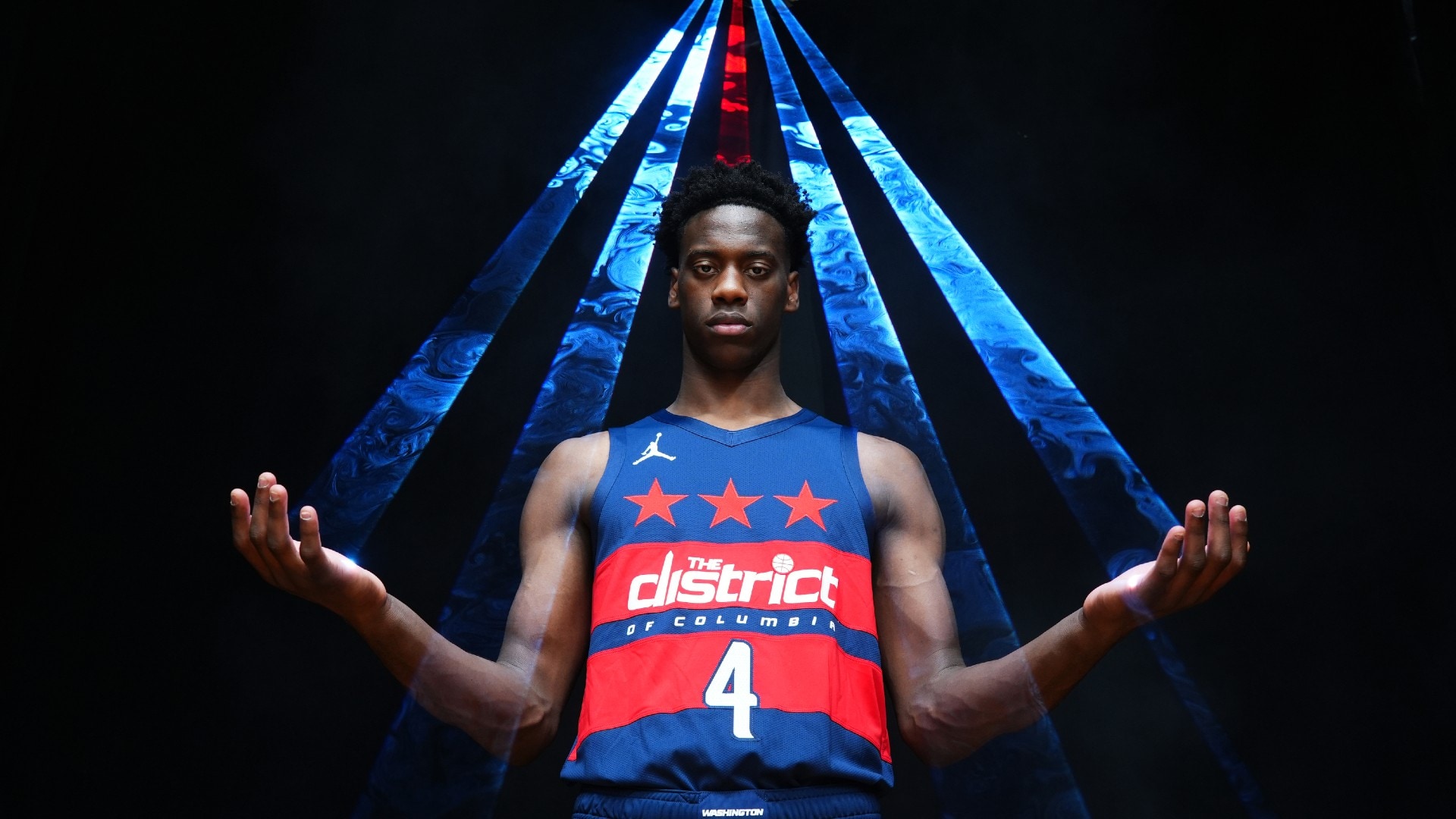
    1. AJ Dybantsa, Washington Wizards

    The Wizards and their fans are ecstatic about the upside of the Brigham Young University standout. As the third Wizards player drafted No. 1 overall (joining Kwame Brown in 2001 and John Wall in 2010), Dybantsa scored about a point per minute in the Las Vegas Summer League. He slots into a roster brimming with young talent, with veterans Trae Young and Anthony Davis counted on now for leadership.


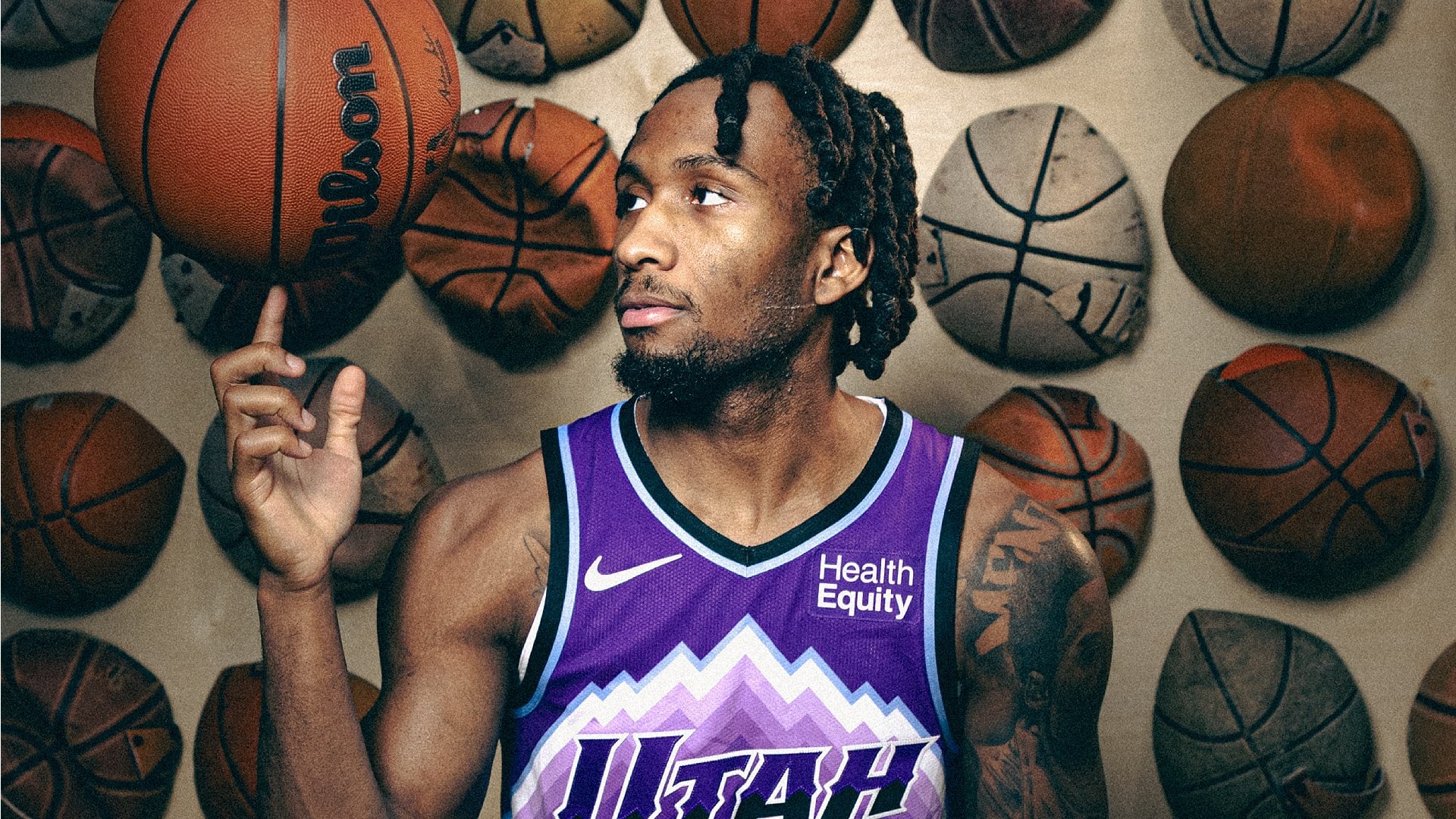
    2. Darryn Peterson, Utah Jazz

    Expectations are high for Peterson, same as they were at Kansas last season. The difference is that the 6-foot-5 guard is surrounded by serious NBA talent, including firepower from the likes of Lauri Markkanen, Keyonte George and Jaren Jackson Jr. He’s brimming with confidence, but to etch his name alongside top Jazz rookies of the past such as Darrell Griffith (Utah’s only ROY), Andrei Kirilenko, Derrick Favors, Donovan Mitchell and George, Peterson will need to flex his overall game, not just his scoring.


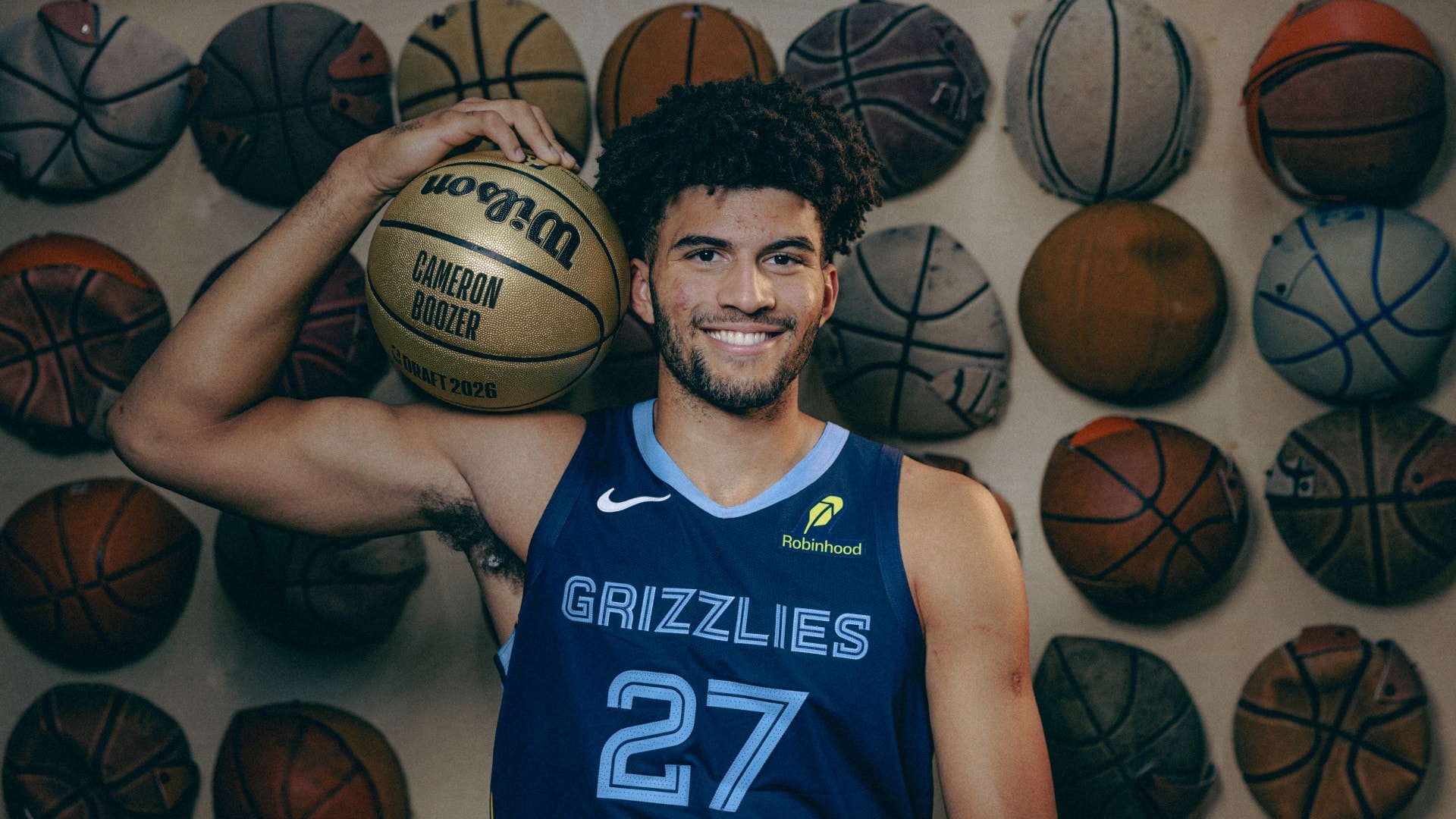
    3. Cameron Boozer, Memphis Grizzlies

    Given Memphis’ reconfigured roster and ambitions, the son of two-time NBA All-Star Carlos Boozer could get the minutes and usage to post the type of numbers that have fueled winning at every level. The rugged 6-foot-9, 253-pound Boozer was college basketball’s Player of the Year and a first-team pick at the LVSL, where his smarts and his shooting drew high praise at both levels.


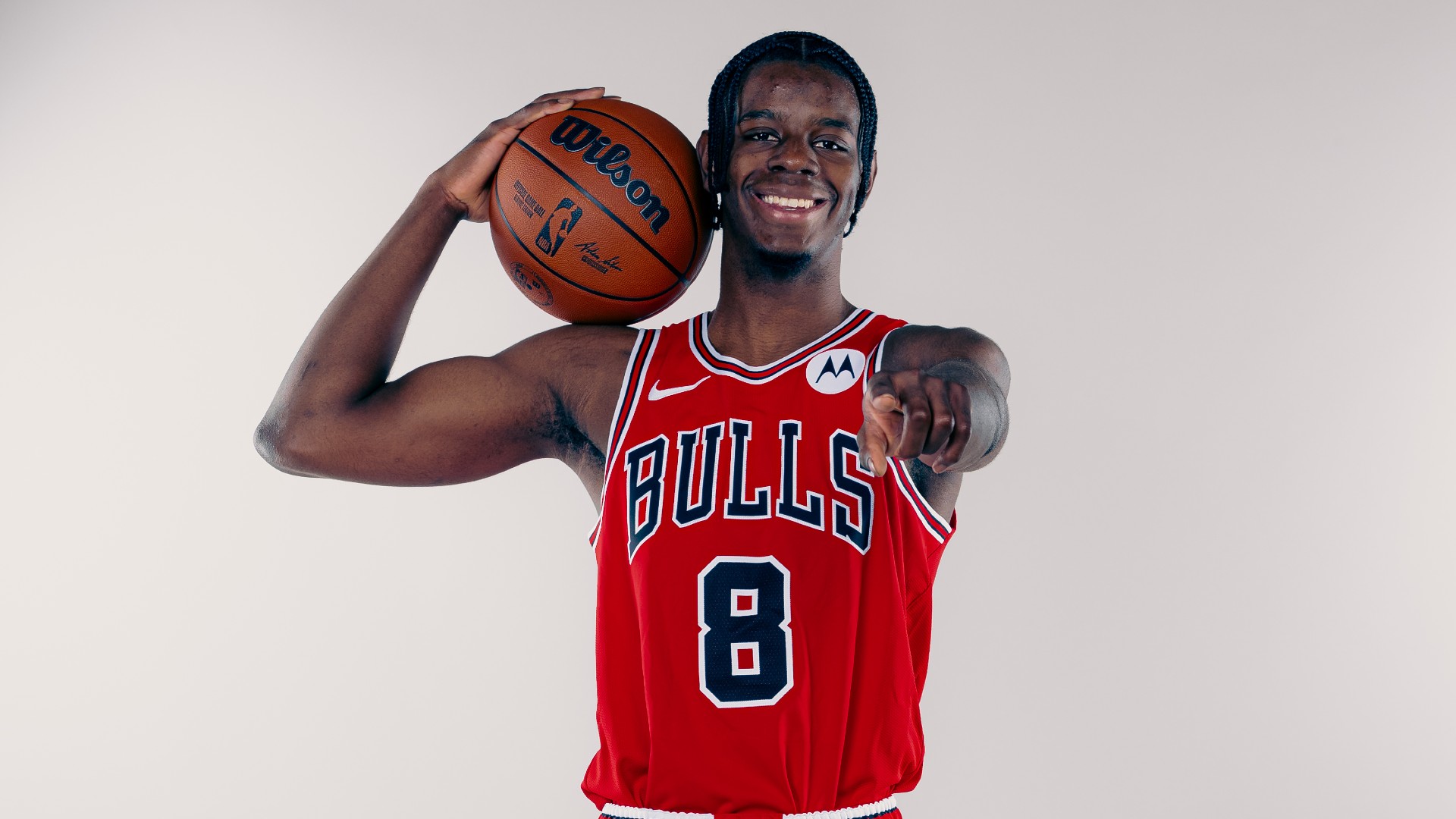
    4. Caleb Wilson, Chicago Bulls

    Insiders have been shuffling through comps, ceilings and floors for Wilson. Pascal Siakam, Tracy McGrady, Paul George, Shawn Kemp, Kevin Garnett and Kawhi Leonard (Wilson’s personal choice) have all been floated. More importantly, Wilson – who recently had some fun back in Chapel Hill, NC, as part of new Tar Heels coach Michael Malone’s alumni weekend – has stated his intentions to be great, to win that Chamberlain Trophy and lead a Bulls resurgence with teammates Matas Buzelis and Josh Giddy.


    5. Keaton Wagler, Los Angeles Clippers

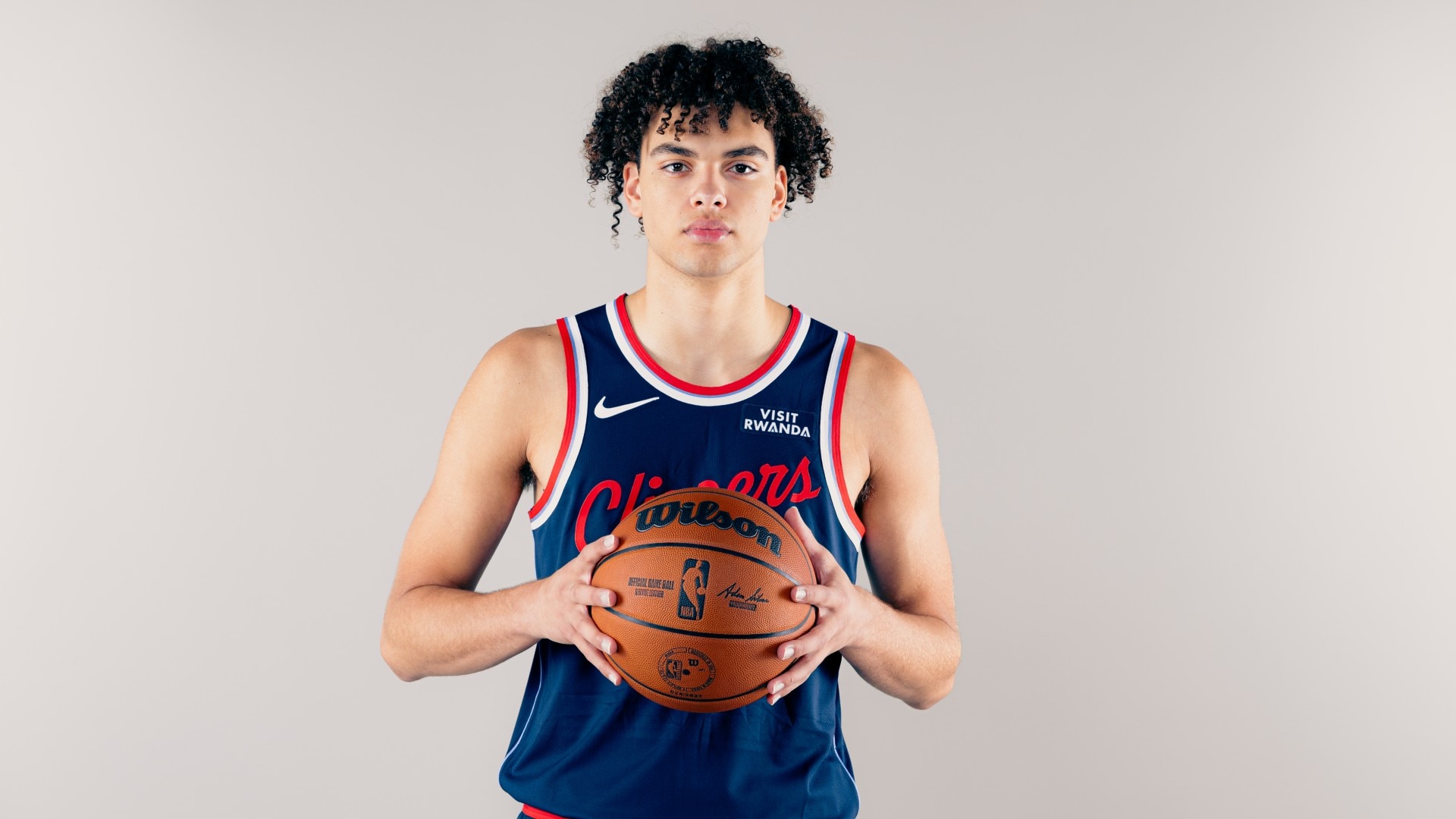
    The 6-foot-6 shooting guard out of Illinois has high expectations as the first pick outside of the consensus Top 4. How he meshes in the backcourt with Darius Garland will be his biggest test as the Clippers enter a new era with All-Star forward Brandon Ingram and No. 13 pick in the 2023 Draft Gradey Dick joining LA in exchange for Kawhi Leonard.


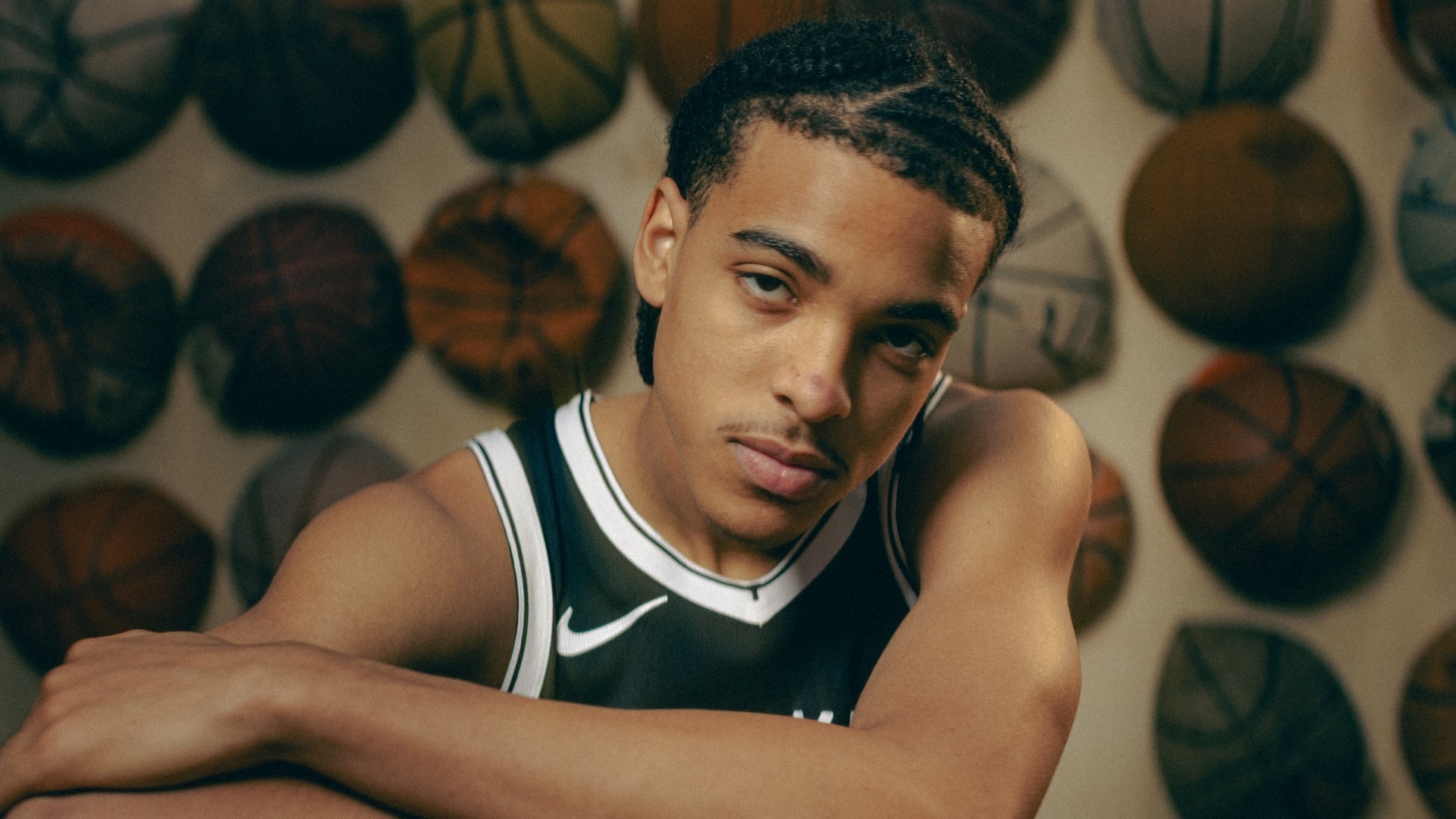
    6. Mikel Brown Jr., Brooklyn Nets

    Brown, a 6-foot-5, 190-pound point guard from Louisville, will be bringing more than his physical skills to the Nets’ young core. He got some master-class tutoring from former NBA All-Star Rajon Rondo, a Louisville native. “I was fortunate enough to have him as a mentor,” Brown Jr. said. “He invited me to his crib, and we watched some film together, played a little bit of chess. … I got to pick his brain a lot.” Top lesson? “Make the simple play.” Brooklyn needs that from Brown to improve on its total of 20 victories last season.


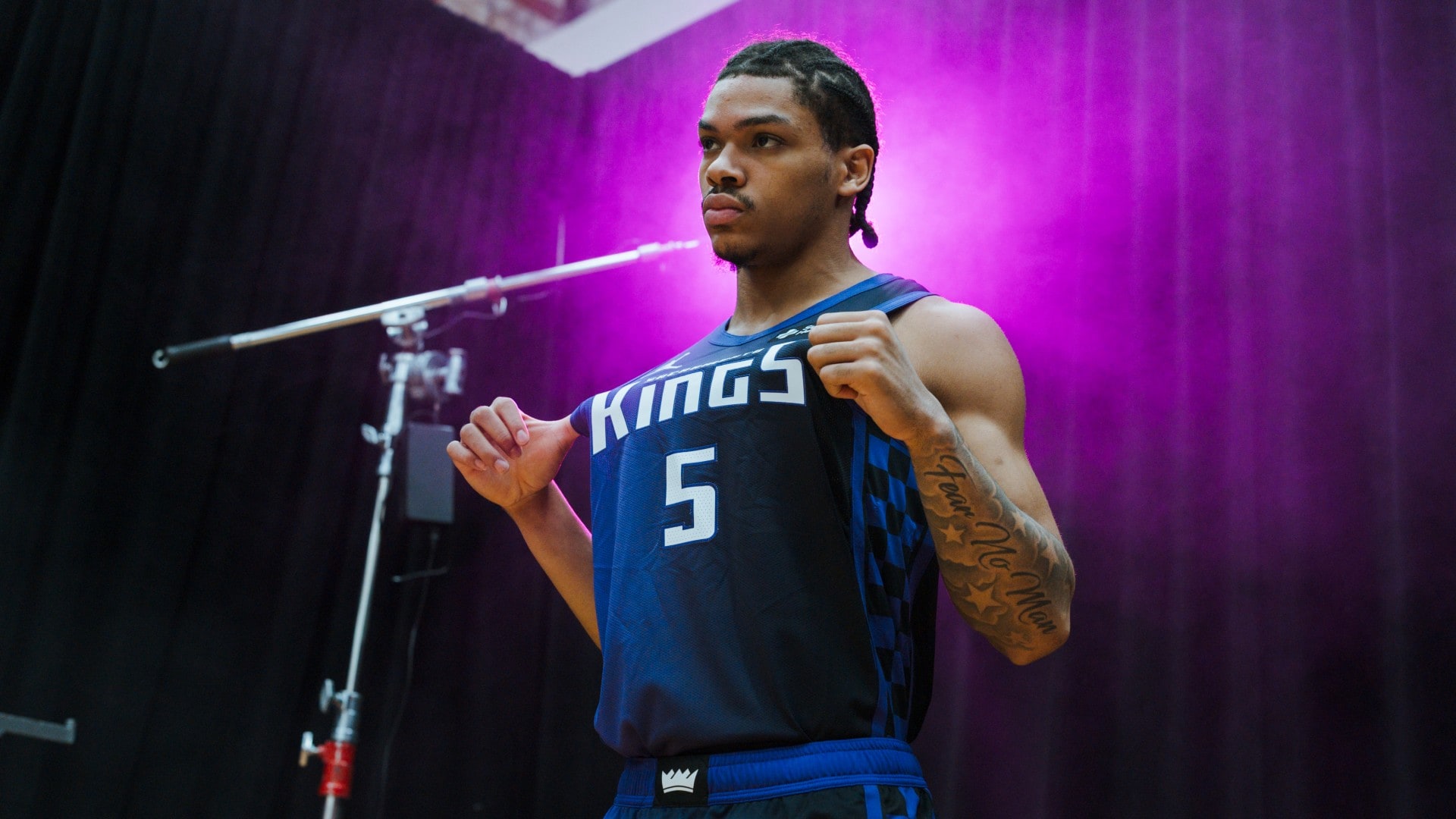
    7. Darius Acuff Jr., Sacramento Kings

    The standout guard from Arkansas should have plenty of opportunities in the backcourt for Sacramento after the departure of DeMar DeRozan this offseason. Acuff Jr., who averaged 19.0 points and 5.3 assists over three games in Las Vegas Summer League, has the skills and mindset to thrive alongside center Domantas Sabonis and guards Zach LaVine and Malik Monk as the Kings look to snap a three-season playoff drought.


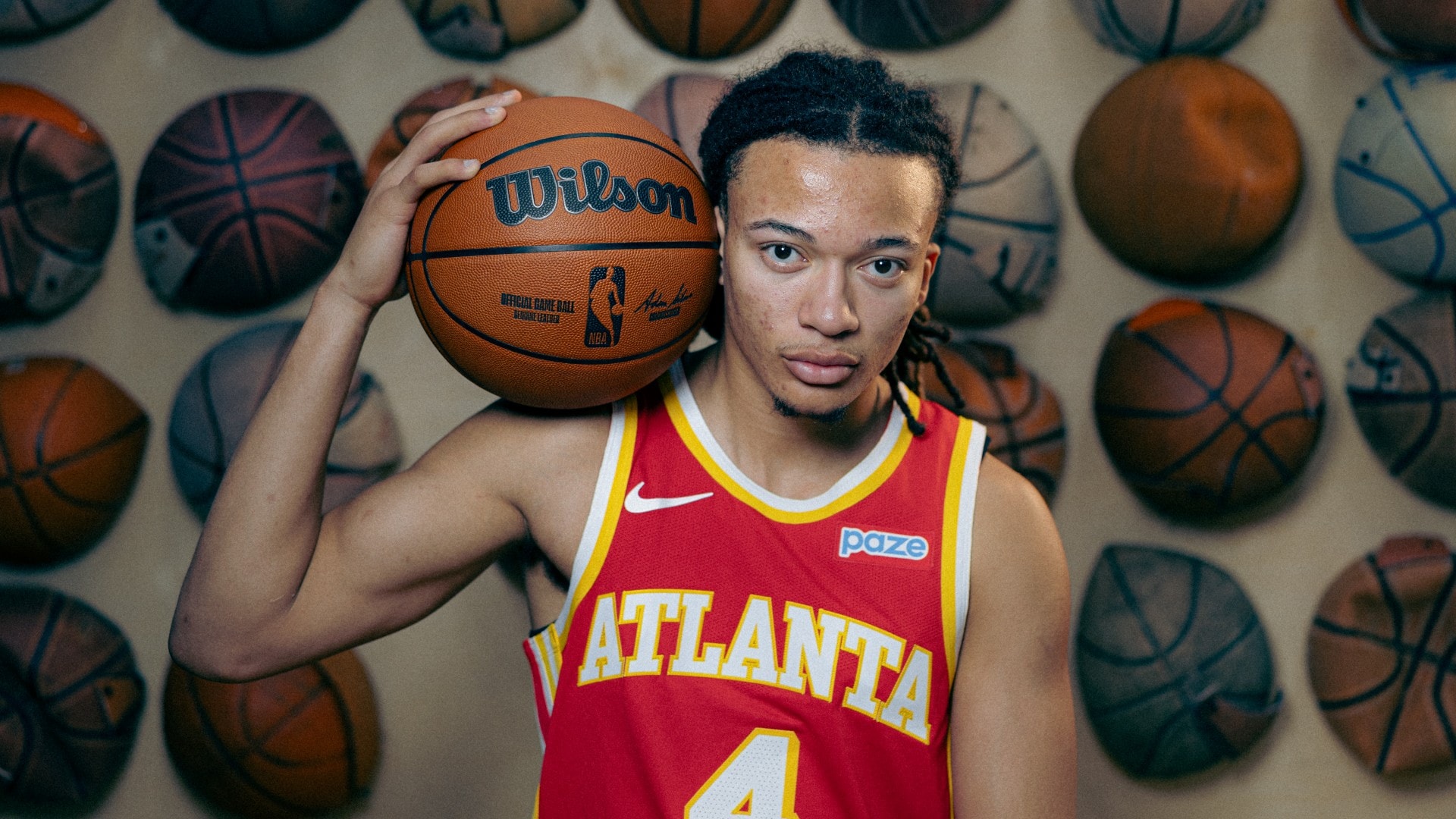
    8. Kingston Flemings, Atlanta Hawks

    A terrific athlete, Flemings averaged 16.1 points at Houston with a 3-to-1 assists/turnovers ratio and sank 39% of his 3-point attempts. He figures to do a lot of learning from the Hawks’ established guards in a crowded Atlanta backcourt featuring CJ McCollum, Nickeil Alexander-Walker, Dyson Daniels, Aaron Wiggins and others.


    9. Morez Johnson Jr., Dallas Mavericks

    Having your college coach’s moving van convoy with your own to the same city is one way to jump-start an NBA career. Johnson, the power forward from Michigan, is joined by his Wolverines coach Dusty May as Mavericks’ newcomers, both of whom were key in their school’s NCAA championship this spring. May sees “positional versatility” on Dallas’ roster, including his prize draft pick. “Morez can play a number of positions, and he can guard all five positions,” the coach said.


    10. Brayden Burries, Milwaukee Bucks

    Burries is the highest profile addition to Milwaukee’s rebuilding project, with unknowns crowding out expectations in the new post-Giannis Antetokounmpo era. The California native will most likely log a lot of time next season, with Bucks fans eager to see if the Jrue Holiday/Derrick White comps are reasonable for the sturdy 6-foot-4 guard. Turning 21 on Friday, Burries averaged 16.1 points at Arizona. His college coach Tommy Lloyd said, “There’s nothing wrong with being a great human being off the court and being a killer on the court. He definitely has that combination.”


    11. Yaxel Lendeborg, Golden State Warriors

    Lendeborg, an athletic 6-foot-9 native of Puerto Rico, will turn 24 as training camp begins, with a potential ready-or-not role in the Warriors’ injury-muddled rotation. No Jimmy Butler or Moses Moody means minutes and enhanced opportunities for Lendeborg and others, at least through the season’s first half. He got started by earning MVP honors at the LVSL, on the heels of his work helping Michigan snag its NCAA championship.

    The Association: Yaxel Lendeborg wins Summer League MVP

    The Association looks at Yaxel Lendeborg’s run to Summer League MVP and how he can help Golden State in 2026-27.


    12. Aday Mara, Oklahoma City Thunder

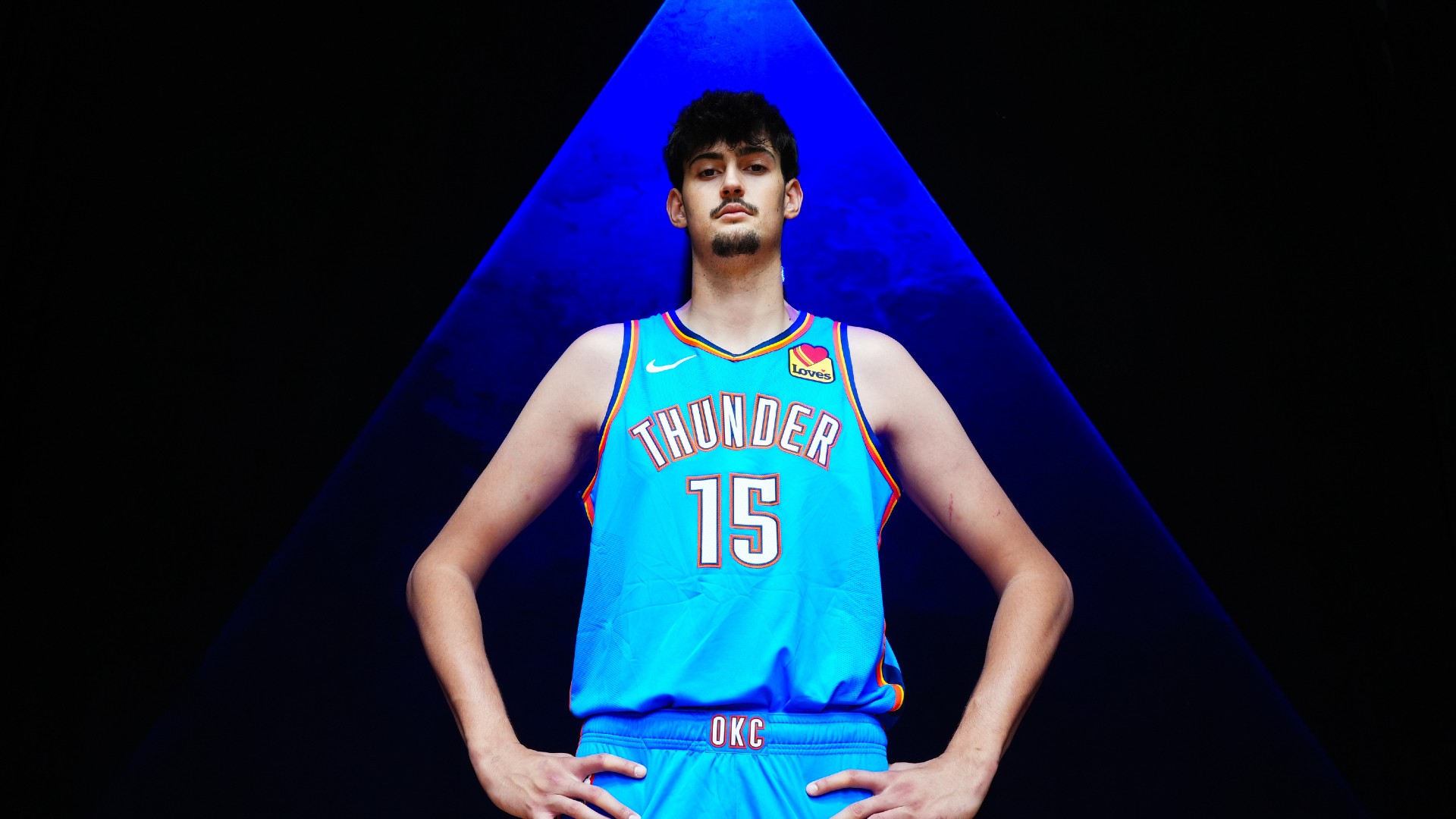
    The third member of the Wolverines’ title team to get drafted in the lottery, Mara has been touted as Spain’s and OKC’s counter to the Spurs’ Victor Wembanyama. At 7-foot-3 and 260, he definitely has the size to bother the lanky Frenchman in relay with Chet Holmgren and Isaiah Hartenstein.


    13. Nate Ament, Milwaukee Bucks

    Milwaukee is the only team with two players selected in the lottery, and the Bucks hope Ament eventually can have the impact they envision for Burries. A raw 6-foot-10 from Tennessee who was part of the Giannis deal with Miami, Ament had some bumpy moments in Las Vegas but has gotten back in the gym in late summer to strengthen and refine his game.


    14. Hannes Steinbach, Charlotte Hornets

    Drafted to beef up the Hornets’ front line, Steinbach demonstrated his European pro roots promptly over the summer. At Washington, he had 22 double-doubles in 30 appearances, then averaged 15.8 points in Las Vegas while making 60% of his shots, including half of his threes. His size (6-foot-11, 248 pounds) will matter most defensively, helping out Moussa Diabaté, Grant Williams and Ryan Kalkbrenner.

    ***

    Steve Aschburner has written about the NBA since 1980. You can e-mail him here, find his archive here and follow him on X.

  • Destapan lo que Jensen Huang dice a quienes abandonan Nvidia: “Lo más sincero que me han dicho en 10 años”

    Destapan lo que Jensen Huang dice a quienes abandonan Nvidia: “Lo más sincero que me han dicho en 10 años”

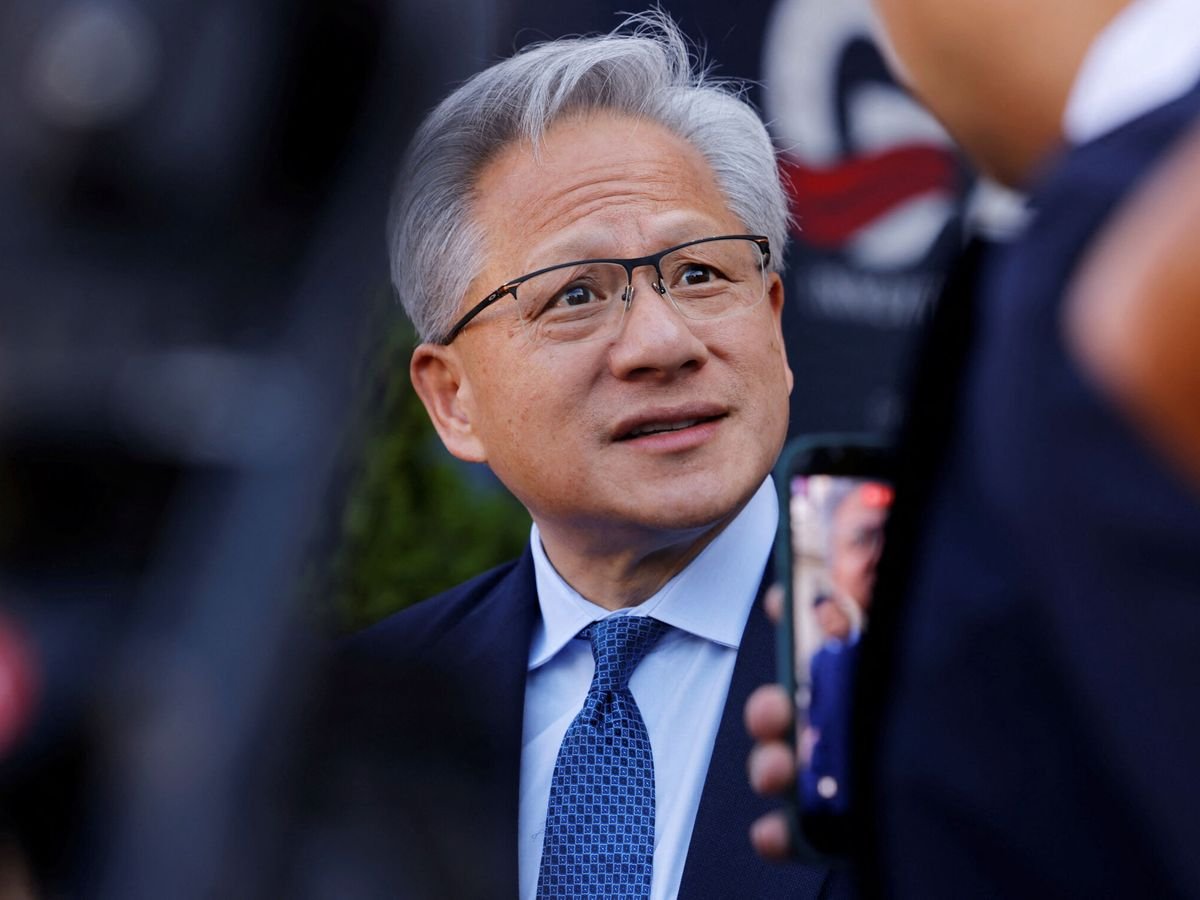
    Jensen Huang, consejero delegado de Nvidia, no siempre intenta frenar a los empleados que deciden abandonar la compañía. Su método pasa por escuchar sus planes, analizar sus puntos débiles y ofrecer una opinión directa, incluso cuando el diagnóstico puede resultar incómodo. Varios exempleados que dejaron el fabricante de chips durante el auge de la inteligencia artificial describen en Business Insider conversaciones personales con Huang antes de emprender una nueva etapa. Uno de ellos asegura que recibió del directivo de Nvidia “el comentario más sincero” que había escuchado sobre sí mismo durante la última década.

    Ese fue el caso de Bing Xu, que se incorporó a Nvidia después de que la empresa adquiriese su primera startup en 2024 y decidió marcharse este año para crear INT21. La nueva compañía utiliza inteligencia artificial aplicada al software de chips, aunque su salida implicaba renunciar, según explicó, a una cantidad potencialmente muy elevada en acciones de Nvidia. Cuando Xu comunicó sus intenciones, Huang dedicó alrededor de dos horas a hablar con él junto a otros ejecutivos e intentó convencerle de que permaneciese en la tecnológica. La conversación terminó derivando hacia una crítica mucho más personal sobre una habilidad que Huang consideraba decisiva para su futuro profesional.


    Según recordó Xu, el máximo responsable de Nvidia le dijo que su principal debilidad era la comunicación y que esa carencia podía limitar hasta dónde llegaría profesionalmente. Xu tendía a asumir que las personas con las que hablaba compartían sus conocimientos técnicos, lo que provocaba que algunas de sus explicaciones resultasen difíciles de seguir. “Este es el comentario más sincero que he recibido sobre mí mismo en los últimos 10 años”, afirmó el fundador de INT21 al relatar aquella conversación. “No pensaba que mi comunicación fuera un problema tan grande, pero cuando Jensen me lo dijo, decidí que podía aprovechar esta oportunidad para convertirme en una mejor versión de mí mismo”, añadió.

    Consejos antes de dejar Nvidia

    La franqueza de Jensen Huang también apareció cuando David Hoeller y Nikita Rudin preparaban su salida de Nvidia después de trabajar durante años en proyectos relacionados con robótica y simulación. Ambos querían disponer de mayor libertad para trasladar esa tecnología al mundo físico y abandonaron la compañía en 2024 para fundar Flexion Robotics, centrada en inteligencia para robots. Durante una llamada realizada desde una conferencia en Múnich, Huang no trató de impedir su marcha, aunque sí cuestionó inmediatamente uno de los primeros elementos de su proyecto. El nombre previsto para la empresa era Checkpoint, una elección que el consejero delegado de Nvidia consideró poco adecuada.

    TE PUEDE INTERESAR

    “Nos dijo que el nombre era malo y que teníamos que cambiarlo”, explicó Rudin, quien reconoció que otras personas también les habían advertido de que podía recordar a una compañía de otro sector. “No quiero darle todo el mérito, pero probablemente lo cambiamos por su comentario”, añadió sobre la decisión que finalmente llevó a adoptar el nombre Flexion Robotics. Huang también les advirtió de las dificultades asociadas a levantar una empresa tecnológica desde cero y de la diferencia entre desarrollar tecnología dentro de Nvidia y hacerlo como compañía independiente. “Su mensaje fue: ‘No nos damos cuenta de lo duro que va a ser el camino’”, recordó Rudin sobre aquella conversación.

    La relación entre los antiguos empleados y Nvidia no terminó con su salida: la compañía acabaría invirtiendo posteriormente en Flexion Robotics, que ha recaudado más de 57 millones y ha abierto una oficina en San Francisco. La empresa con sede en Zúrich también ha incorporado investigadores procedentes de compañías como Meta, mientras amplía su presencia en EEUU.

    Jensen Huang, consejero delegado de Nvidia, no siempre intenta frenar a los empleados que deciden abandonar la compañía. Su método pasa por escuchar sus planes, analizar sus puntos débiles y ofrecer una opinión directa, incluso cuando el diagnóstico puede resultar incómodo. Varios exempleados que dejaron el fabricante de chips durante el auge de la inteligencia artificial describen en Business Insider conversaciones personales con Huang antes de emprender una nueva etapa. Uno de ellos asegura que recibió del directivo de Nvidia “el comentario más sincero” que había escuchado sobre sí mismo durante la última década.

  • Anne Hathaway hace del total denim su apuesta de estilo mientras presume su embarazo

    Anne Hathaway hace del total denim su apuesta de estilo mientras presume su embarazo

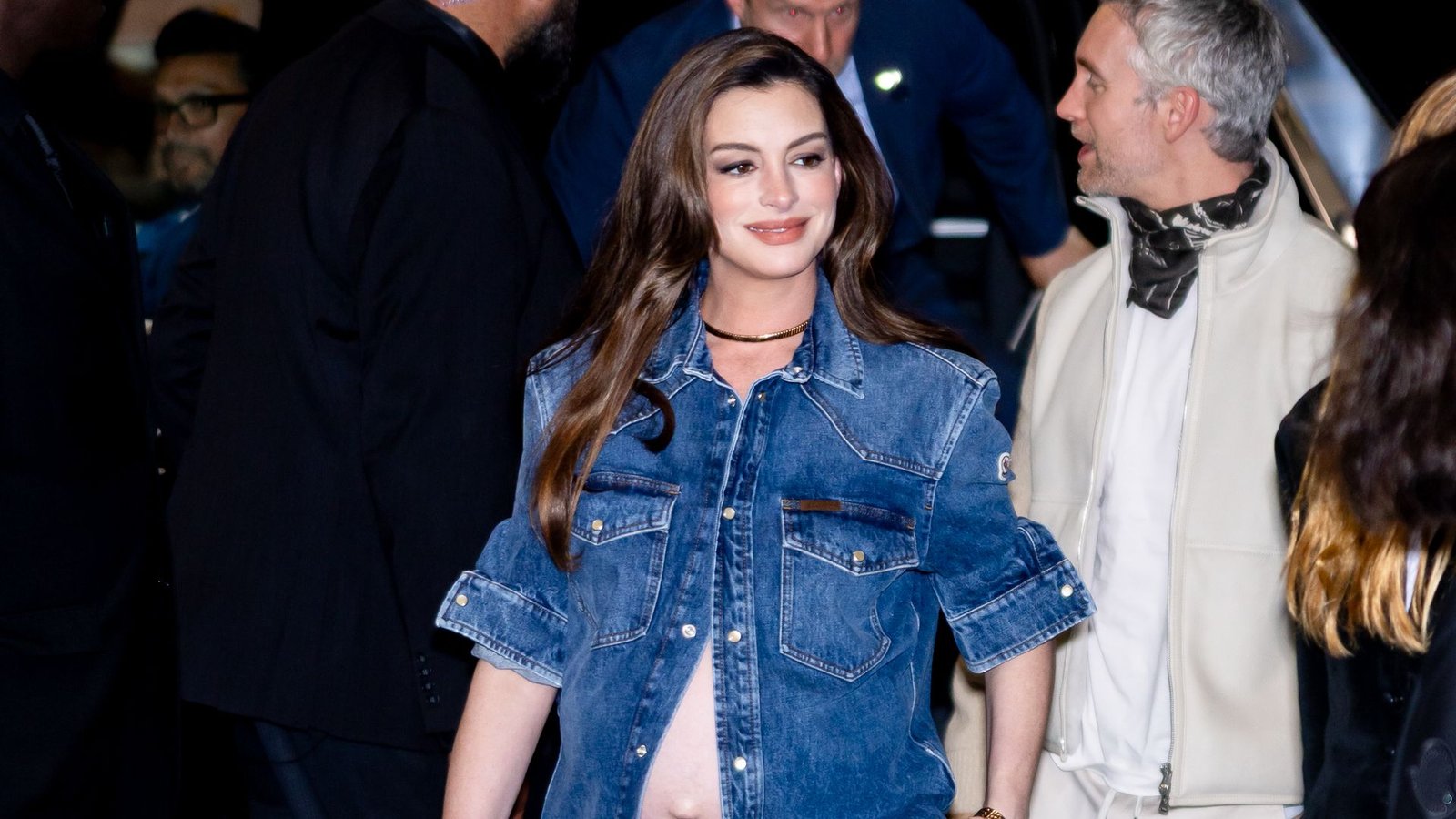
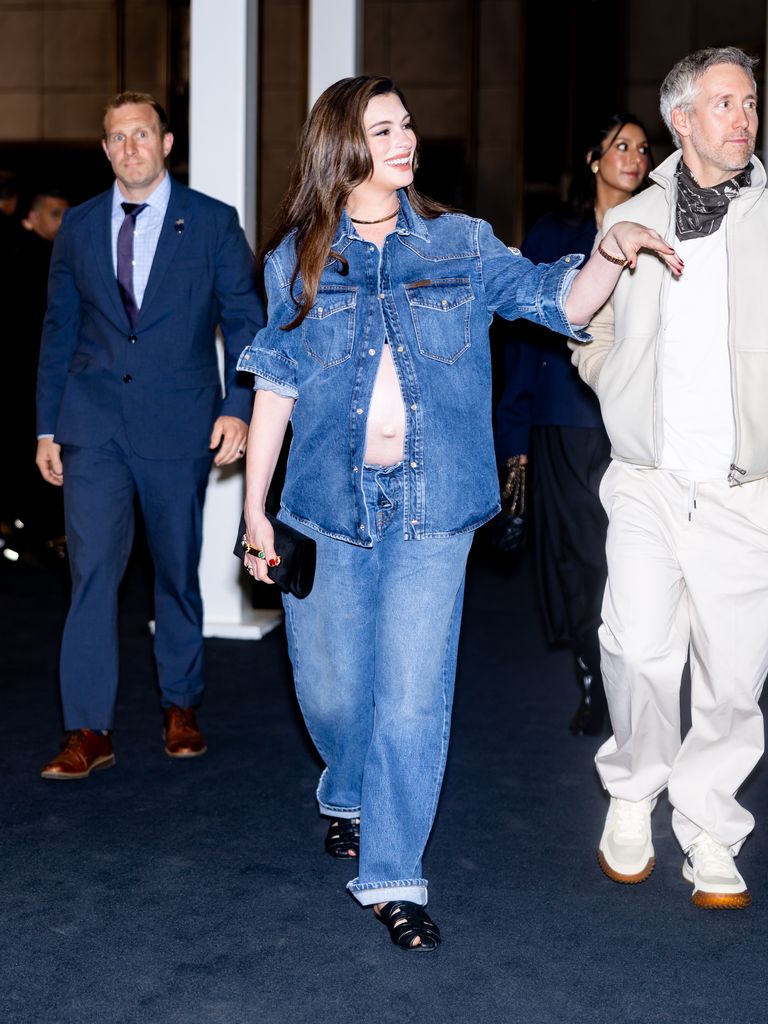
    Se acerca la temporada de otoño y las celebridades lo saben. En el marco de la Semana de la Moda de Nueva York, hemos visto diversas tendencias que se alinean con el cambio de estación. Desde el romanticismo renovado hasta las capas y superposiciones. Entre cambios y evoluciones, hay una prenda atemporal que se mantiene y se adapta a cada época del año con magnificencia: los jeans. Y claramente no hay mejor perfil que el de Anne Hathaway para demostrarnos que el denim nunca es demasiado, y menos aún cuando alguien sabe dominar su arte.

    Te puede interesar

    Seguir leyendo

    Anne Hathaway deslumbra en las calles de Nueva York con un atuendo de denim completo.© GC Images
    Anne Hathaway deslumbra en las calles de Nueva York con un atuendo de denim completo.

    Anne Hathaway hace del total denim su apuesta de estilo mientras presume su embarazo

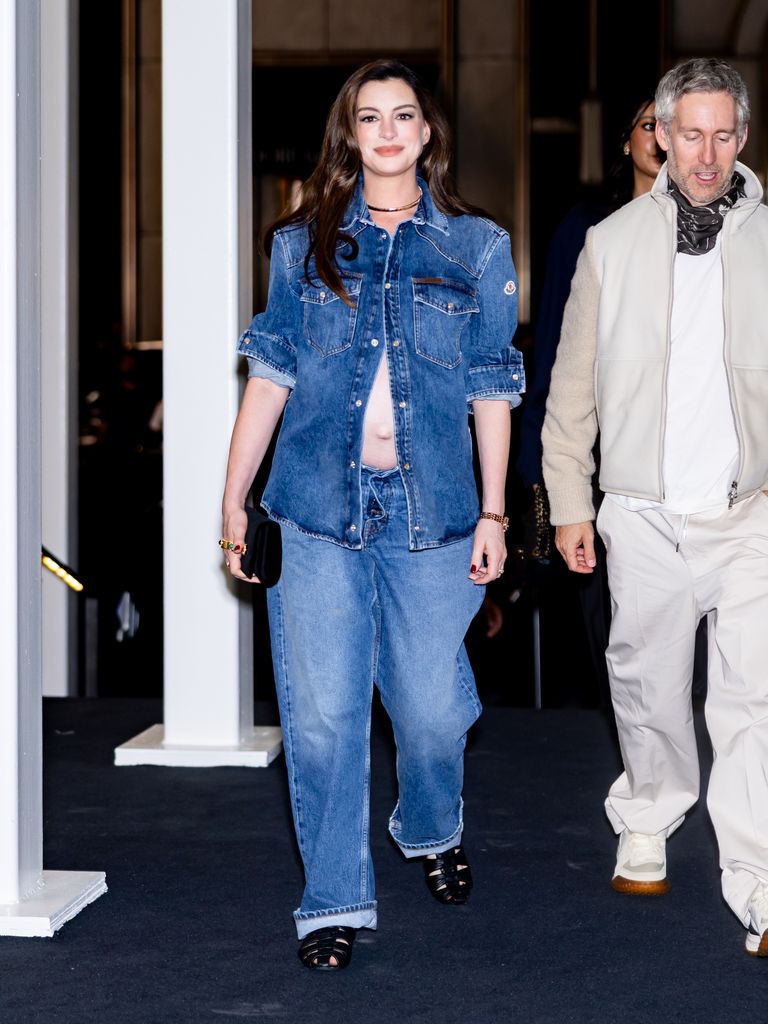
    Para la ciudad de Nueva York, estas últimas semanas han sido movidas. Eventos como el US Open y NYFW se han posicionado como el centro de atención, dirigiendo todas las miradas a la Gran Manzana. Como parte de las actividades realizadas durante este lapso, la tienda insignia de Moncler en la Quinta Avenida ha abierto sus puertas al público. Personalidades como Anne Hathaway se encontraban dentro de la lista de invitados para el evento de apertura, al cual asistió con un look denim sobre denim complementado con unas sandalias de pescador negras.

    Anne Hathaway reafirma la atemporalidad de los jeans.© GC Images
    Anne Hathaway reafirma la atemporalidad de los jeans.

    Sin ser el estilo más habitual, la protagonista de El diablo viste a la moda pone de manifiesto que no siempre lo seguro es sinónimo de elegancia. Muchas veces, asumir un riesgo puede resultar en un éxito estilístico total. Combinando dos piezas de silueta holgada, la actriz —quien espera su tercer hijo— logró un look desenfadado y armonioso. Encontró la fórmula para convertir un atuendo monocromático en el máximo referente de estilo.

    ¿Cómo llevar denim sobre denim con elegancia? 

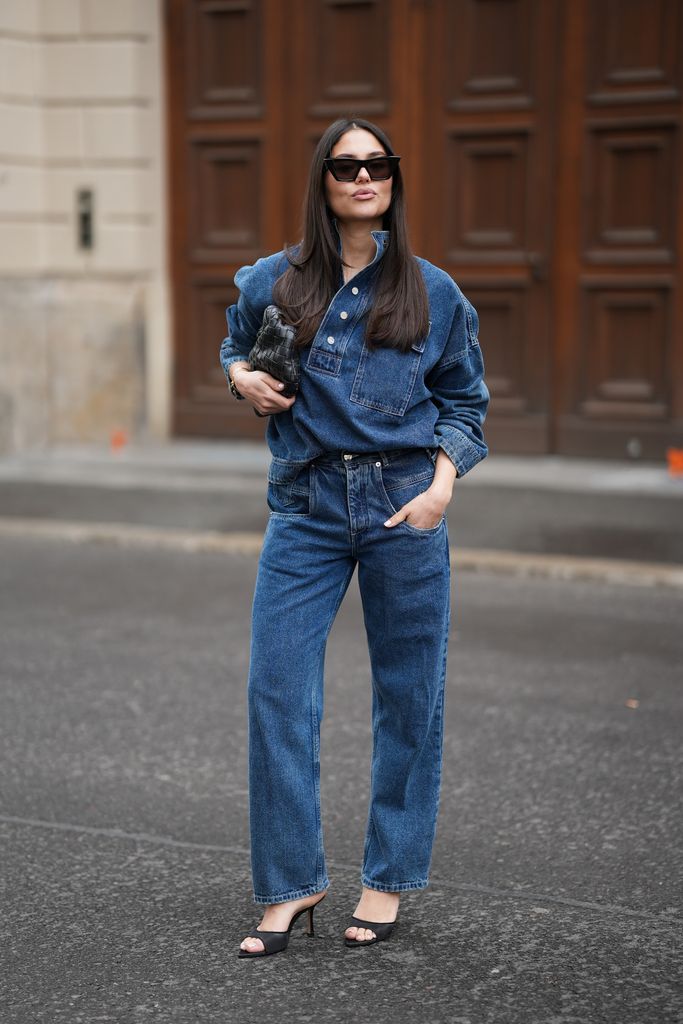
    La clave para llevar denim sobre denim radica en entender que, lejos de ser una tendencia predecible, es una forma de experimentar con el estilo, siempre agregando tu toque personal. Puedes optar por un accesorio con un acento de originalidad o por un cinturón grande y protagónico. Asimismo, puedes jugar con las tonalidades. Un pantalón de denim claro con una blusa de un tono un poco oscuro; no buscan competir, sino acompañar. 

    Un look atemporal, elegante y depurado.© Getty Images
    Un look atemporal, elegante y depurado.

    ¿Cómo usar jeans con sandalias de pescador? 

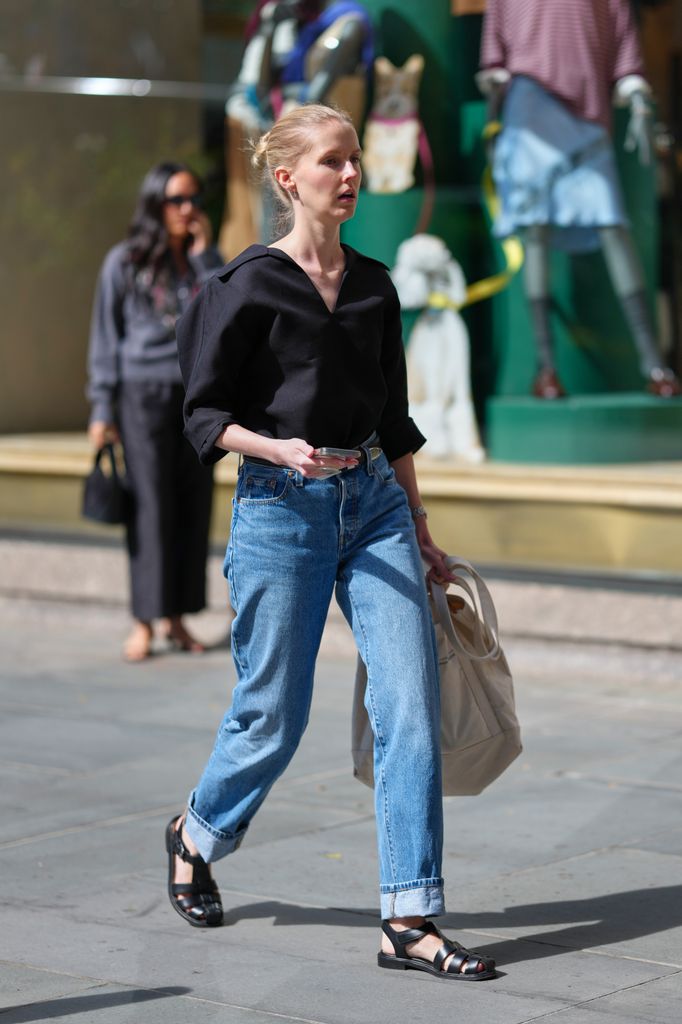
    Las sandalias de pescador han retomado su lugar como una de las piezas favoritas de la temporada. Son la manera perfecta de elevar un conjunto sin resultar excesivo. Sus tiras y su diseño original hacen que cualquier atuendo luzca fresco y ligero. ¿Y qué mejor que llevar un calzado de este tipo con la prenda atemporal de nuestro armario: los jeans? 

    La apuesta está en usar jeans más ajustados, como los straight-leg, cigarette o incluso boyfriend. Un gran consejo es que uses pantalones con dobladillo para que los zapatos luzcan mejor. Así como lo hizo Anne Hathaway. 

    Combinar denim con negro es un acierto total.© Getty Images
    Combinar denim con negro es un acierto total.

    Todo look monocromático puede ser la clave para crear una imagen más depurada. Por supuesto, el denim nos ha demostrado ser uno de esos tejidos que puede con eso y más. La clave está en combinar las tonalidades, texturas y accesorios adecuados para lograr un conjunto de alto impacto, digno de estrellas de cine como Anne Hathaway.

  • Polonia refuerza su frontera con Ucrania tras el ataque ruso contra un tren cerca de su territorio

    El ministro de Defensa polaco, Wladyslaw Kosiniak-Kamysz, ha informado este martes de que las autoridades están reforzando su zona fronteriza con Ucrania, que tiene una longitud de más de 500 kilómetros, tras el ataque ruso del pasado domingo en territorio ucraniano aunque muy cerca de la frontera con Polonia.

    “Estamos reforzando la protección de nuestros pasos fronterizos con Ucrania”, ha señalado en sus redes sociales, apuntando al aumento de la “infraestructura” empleada por la Guardia Fronteriza, informa Europa Press.

    Kosiniak-Kamysz, que ha indicado que ya están en ello los militares del 18º Regimiento de Ingenieros, ha destacado que la decisión del Ejecutivo de Donald Tusk se produce ante las acciones de Rusia de “los últimos días”, las cuales “suponen una amenaza para la seguridad de toda Europa”.

    Sus declaraciones llegan después de que un tren con más de 200 personas a bordo –según las autoridades ucranianas– fuera alcanzado por un ataque lanzado el domingo contra un punto situado un punto del territorio ucraniano situado cerca de la frontera con Polonia, lo que provocó que el primer ministro polaco, Donald Tusk, convocara una reunión de urgencia del Gabinete de Seguridad ese mismo día.

    El tren circulaba en una vía empleada poco antes por otro en el que viajaban los ex primeros ministros británico y sueco Boris Johnson y Carl Bildt junto a otros diplomáticos europeos tras acudir a una conferencia de seguridad celebrada en la capital ucraniana, Kiev.

    Este mismo lunes, el Gobierno ruso ha rechazado las acusaciones en su contra por este ataque, que no dejó dejó víctimas, asegurando que fue lanzado “exclusivamente contra instalaciones militares y el transporte militar y la infraestructura logística usada por el régimen de Kiev, también en el oeste de Ucrania”, en palabras de la portavoz de Exteriores rusa, Maria Zajarova.

  • El exministro venezolano Alex Saab se declara culpable de lavado de dinero tras un acuerdo con la Fiscalía estadounidense

    El exministro venezolano Alex Saab, señalado por EE UU como presunto testaferro del depuesto presidente Nicolás Maduro, se declaró culpable este martes de conspiración para lavado de dinero y transacciones financieras ilícitas, tras un acuerdo con la Fiscalía estadounidense en una corte federal en Miami.

  • Turquía detiene a casi un centenar de activistas en su campaña anti-LGBTI

    La policía turca ha detenido a entre 80 y 90 personas, entre ellas al menos dos periodistas, al intervenir en una manifestación ante los tribunales de Estambul en protesta por el arresto de activistas del colectivo LGBTI, informa la prensa turca.

    Una amplia redada policial contra asociaciones, activistas y locales de ocio del ambiente homosexual, realizada el domingo bajo el nombre ‘Mi familia está segura’, resultó en la investigación de 162 sospechosos y la detención de unas 70 personas, entre ellas 26 en Estambul y 18 en Esmirna, donde un tribunal ya decretó el lunes el ingreso en prisión preventiva de 16 detenidos.

    Numerosos activistas se reunieron este martes ante el Palacio de la Justicia de Estambul para protestar por las detenciones, con pancartas que rezaban ‘Ser LGBTI y organizarse no es un delito. Libertad para nuestros compañeros’, y leyeron un manifiesto por la liberación de los detenidos.

    La policía procedió a disolver la protesta y practicó numerosas detenciones, arrestando a un total de unos 80 manifestantes, según la Asociación de Juristas Progresistas (ÇHD), mientras que el diario Cumhuriyet habla de unos 90 detenidos.

    Según el periódico BirGün, una de sus reporteras y un empleado turco de la cadena alemana de televisión ARD se encuentran entre los detenidos hoy.

    Ayer mismo, la Justicia turca había ordenado, además, el bloqueo de una veintena de cuentas en la red social X tanto de activistas LGBTI como de feministas y grupos de derechos humanos, además de impedir el acceso a la web de la asociación KAOS GL, una de las mas antiguas y prestigiosas de Turquía en la defensa de los derechos del colectivo LGBTI.

    El comisario para los Derechos Humanos del Consejo de Europa, Michael O’Flaherty, expresó en un comunicado difundido este martes su “preocupación” por “las noticias sobre una serie de detenciones, redadas y el bloqueo de páginas web y cuentas en redes sociales de la sociedad civil LGBTI y activistas de derechos humanos en toda Turquía”.

    Recordó que “las organizaciones LGBTI llevan a cabo un trabajo de derechos humanos” expresamente protegido por la Convención Europea de Derechos Humanos, de la que Turquía es parte, y que “una simple referencia a ‘valores de la familia’ o ‘protección de la infancia’ no puede servir como justificación legal para restringir los derechos humanos”.

    O’Flaherty pidió a las autoridades turcas “poner en libertad a toda persona detenida por participar en un trabajo de sociedad civil o (de defensa de) derechos humanos y garantizar procesos judiciales justos”.

    La homosexualidad es legal en Turquía desde 1858, pero la Fiscalía acusa a los detenidos de difundir “contenidos obscenos” o de “facilitar la prostitución”.

  • Maya Nazor rompe en llanto tras emergencia aérea: explota motor del avión en pleno vuelo y sufre crisis de ansiedad

    Maya Nazor rompe en llanto tras emergencia aérea: explota motor del avión en pleno vuelo y sufre crisis de ansiedad

    Lo que debía ser un regreso tranquilo terminó convirtiéndose en una auténtica pesadilla para Maya Nazor. La influencer y modelo mexicana reveló que el avión en el que viajaba sufrió una falla en uno de sus motores mientras se encontraba en el aire, provocando momentos de tensión, miedo y una fuerte crisis de ansiedad. A través de sus redes sociales compartió detalles de la angustiante experiencia que vivió junto al resto de los pasajeros.

    Mira: ¿Santa Fe Klan quiere volver con Maya Nazor? Confiesa que desea otro hijo con su ex y estalla la polémica

    Maya Nazor

    ¿Qué pasó en el vuelo de Maya Nazor y por qué explotó un motor?

    De acuerdo con el propio relato de Maya Nazor, el avión en el que regresaba a casa despegó con retraso y, apenas unos minutos después de haber iniciado el trayecto, ocurrió la falla en uno de los motores, que terminó por explotar en pleno aire.

    Ante esta emergencia técnica, la aeronave tuvo que dar media vuelta y permanecer sobrevolando la zona mientras la tripulación esperaba indicaciones para poder aterrizar de manera segura, lo que disparó la angustia entre todos los pasajeros a bordo.

    “Despegamos tarde. Al despegar unos minutos pasaron y explotó el motor en el aire. El avión estuvo dando vueltas esperando indicaciones para poder regresar y aterrizar”

    Maya Nazor

    La propia creadora de contenido detalló que varios de los presentes comenzaron a experimentar fuertes momentos de ansiedad, e incluso algunas personas se sintieron mal físicamente debido a los nervios y al miedo colectivo que generó la situación.

    “Mucha mucha gente del vuelo con ansiedad, también algunas personas se pusieron mal. Los nervios y el miedo colectivo GAD estamos bien.”

    Maya Nazor

    Lee: Santa Fe Klan habla de la comparación con Nodal por manutención de sus hijos; ¿el rapero es igual al cantante?

    Maya Nazor

    ¿Varios pasajeros sufrieron ansiedad durante el vuelo de Maya Nazor

    Maya no solo publicó un video llorando para narrar lo vivido, sino que además subió una serie de historias a Instagram donde fue relatando, casi minuto a minuto, cómo se desarrolló la emergencia dentro del avión.

    “Me dio un ataque de ansiedad terrible. El avión en el que iba de regreso explotó uno de los motores en el aire. Fue horrible la ansiedad que me dio. Regresamos esperando a que nos den indicaciones”, fue lo que compartió la famosa con sus seguidores.

    Mira: Santa Fe Klan estrena romance y tiene polémico gesto con su nueva novia ¿Le copió a Maya Nazor?

    Maya Nazor

    ¿Cuál es el estado de salud de Maya Nazor tras el incidente aéreo?

    Después de la fuerte experiencia, Maya Nazor confirmó a sus seguidores que se encontraba bien y que, pese al momento de ansiedad tan intenso que vivió durante el vuelo, logró sobreponerse a la situación sin mayores complicaciones.

    La modelo había compartido previamente varios momentos de su viaje a Las Vegas en redes sociales, sin embargo, el regreso a casa terminó convirtiéndose en una experiencia completamente distinta a la que esperaba, debido al susto que vivió arriba del avión.

    Hasta el momento, la creadora de contenido no ha informado que haya sufrido alguna lesión física como consecuencia del incidente. La aerolínea involucrada tampoco ha emitido un comunicado oficial detallando las causas técnicas de la falla.

    Maya Nazor