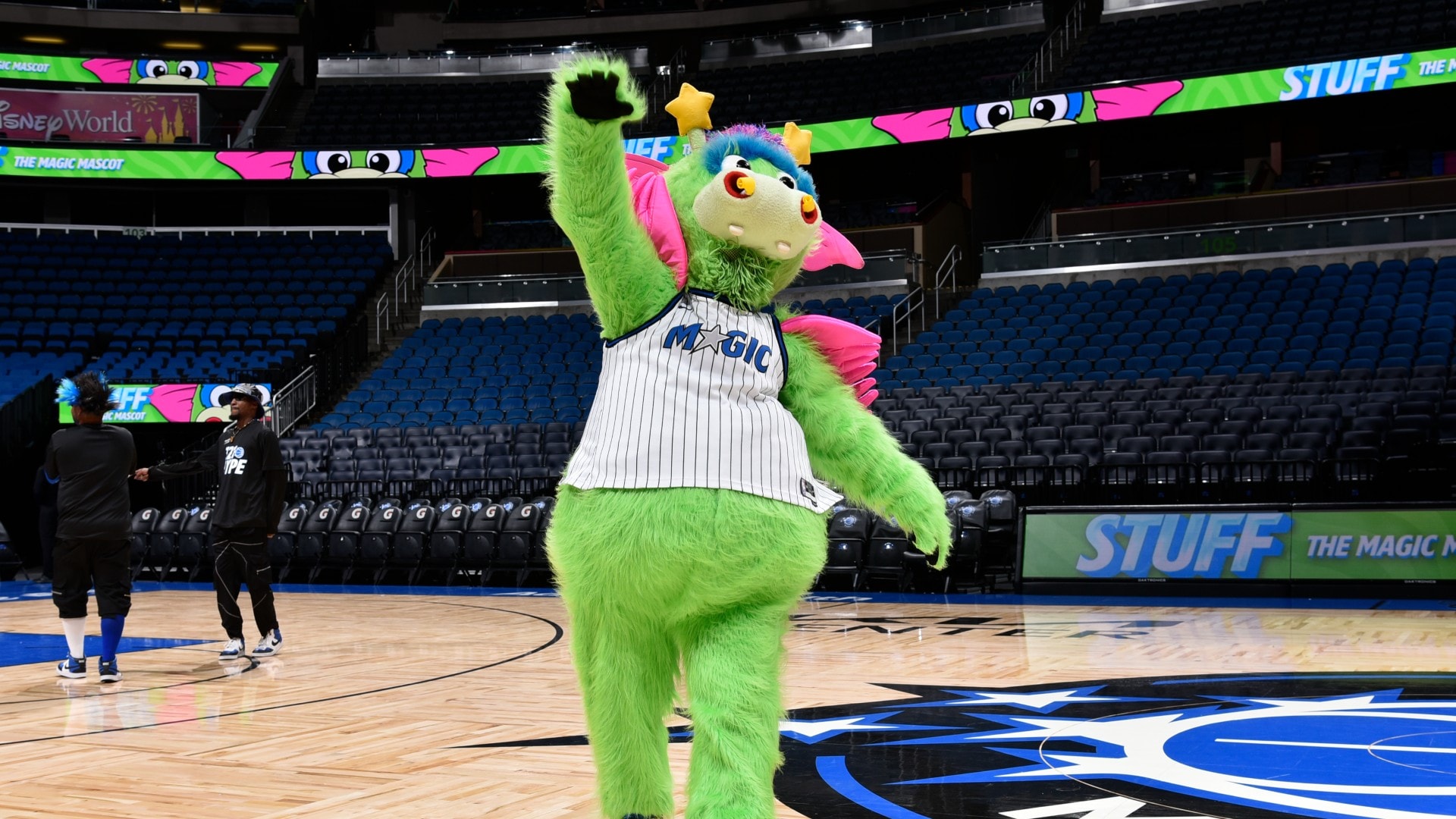
STUFF was the first-ever back-to-back winner in the award’s history (2016, 2017).
ORLANDO – The incorrigible Orlando Magic mascot, STUFF, was named the 2026 NBA Mascot of the Year at the annual NBA Mascot Conference. It’s STUFF’s third time winning the award (2016, 2017 and 2026), an honor voted on by his peers across the NBA. STUFF was also the first-ever back-to-back winner in the award’s history.
Congratulations to @STUFFMagic for being named the 2026 NBA Mascot of the Year!
This marks the third time STUFF has been given this honor by his peers across the NBA (2016, 2017 and 2026).
STUFF’s high-flying feats and acting prowess have created quite the stir around sports circles. The Magic’s mascot’s complete arsenal was once again on full display during last season with highlights including his “Play the Song” moments/posts when the Magic win to garner him the 2025-26 Digital Content Award; and his “Choices Nope – Yep” to capture the 2025-26 Video of the Year Award. This year’s recognition puts STUFF in unique company making him the only mascot across the league to win multiple awards this season.
The NBA Mascot Awards debuted in 2005 at the conference. The conference provides an opportunity for NBA mascots to continue to innovate and share ideas on game day skits, the newest props and outfits.
Entering his 38th season as one of the most recognizable mascots in professional sports, STUFF has made multiple appearances on nationally recognized shows and been a part American pop culture since his birth in 1989. STUFF prides himself as the Orlando Magic’s number one fan, and relishes his role as the team “funny guy.” His high-profile pranks include a marriage proposal to supermodel Kate Upton, which led to appearances on several media outlets including TMZ. He also delivered a dance-off challenge to “Hashtag,” the mascot of “The Tonight Show with Jimmy Fallon.” STUFF and Hashtag battled it out in an epic dance-off on national television. The result was a tie. STUFF even made ESPN’s Top Ten Plays with his dangerous and exciting backflip dunk off a 16-foot ladder. For more information on “Orlando’s Mascot,” follow him on X and Instagram (@STUFFMagic) and on YouTube (@STUFFtheMagicMascot).
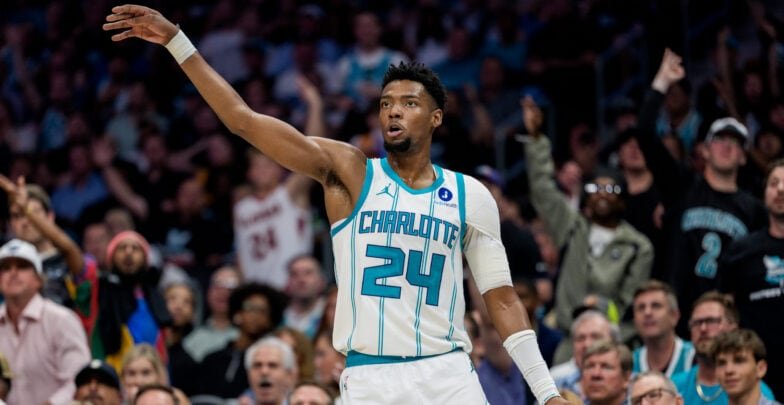
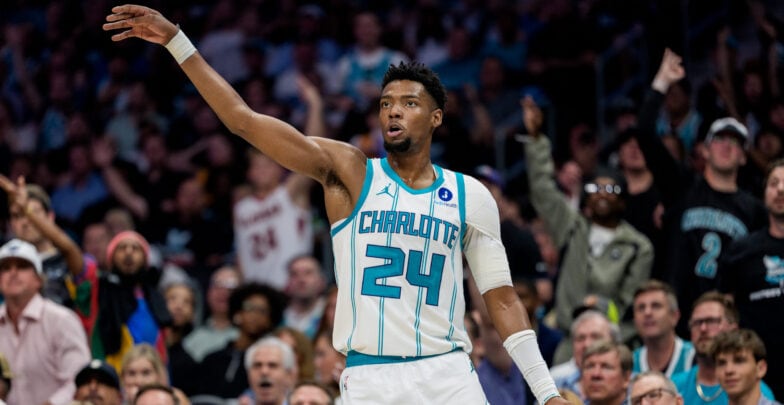
Brandon Miller is primed for a breakout fourth season in Charlotte.
When looking for diamonds in the rough in the middle and late rounds of your fantasy drafts, it’s important to look at ways the players could be extra motivated. Young players being rewarded large raises for improved play can certainly be a motivating factor. Enter contract extension season! The entire first round of the 2023 NBA Draft is eligible for contract extensions, as they enter their fourth seasons. A couple of players from this draft class have already received their extensions this summer, such as Victor Wembanyama. The rest of these players will either receive lucrative long-term contracts or will be eligible for restricted free agency after the 2026-27 season. Either way, there is a lot to play for and those are the players you may want to round out your rosters.
Miller along with Kon Knueppel will capitalize on the extra minutes and ball handling that LaMelo Ball and Miles Bridges leave behind with their trades out of Charlotte. Miller has averaged over 20 points per game in each of his last two seasons, impressive for a wing who is still only 23. His PPG could climb with the extra touches, as well as his rebounds and assists per game. A young player who could put up a big game or two a week as he continues to improve is perfect for the High Score format. Miller could become a fantasy star and the No. 1 scoring option on an ascending Hornets squad this season.
George is coming off a breakout third season where he averaged 23.6 points and 6.1 assists per game. Like all other first rounders from the 2023 NBA Draft, he is now eligible for a massive contract extension. Despite reported talks, that deal hasn’t come yet. If that continues, George should be highly motivated to put up a similar, if not better season in 2026-27. George firmly established himself as the starting point guard a year ago and with Utah seemingly ready to attempt a run to the playoffs, expect George to see an uptick in minutes. With Jaren Jackson Jr., Darryn Peterson and Lauri Markkanen surrounding George, the 22-year-old should set a career-high in assists per game for the fourth straight season. A young player with room to grow at a scarce position available around the sixth round? Sign us up.
Thompson didn’t take the big jump statistically that his twin brother Amen Thompson did in Houston last season. Amen received a lucrative five-year contract extension with the Rockets, while Ausar is still waiting for his big payday to arrive. The good news for Ausar’s production is his Detroit Pistons didn’t add much scoring punch this offseason. The most notable transactions this summer were losing Tobias Harris to San Antonio and replacing him with John Collins. The opportunity is still there for Thompson to take a step forward offensively. His defense alone continues to keep him on the court. At the price range he’s going, around the eighth round in drafts, he’s worth the gamble, especially in leagues that do not dock you for his lack of 3-pointers like High Score.
Jaquez Jr. stuffed the stat sheet off the bench for the Miami Heat last season, which was good enough to finish second in the Kia NBA Sixth Man of the Year race. After being shipped to Milwaukee in the package for Giannis Antetokounmpo, Jaquez Jr. now has his best NBA opportunity to put up big numbers. After averaging 28.3 minutes per game and coming off the bench in 74 of his 75 games last season, Jaquez Jr. enters the season as the favorite to win the starting small forward position for the Bucks. Even rebuilding teams need players to score and Jaquez Jr. should certainly do that.
As a second round pick in the loaded 2023 NBA Draft, Jackson will become an unrestricted free agent after the 2026-27 season unlike the other players on this list. He has a tremendous opportunity ahead of him to become one of the Grizzlies most impactful players this season. Entering training camp, it is a wide open Grizzlies rotation. Jackson is looking to capitalize after finishing last season strong. Over his final 23 games, Jackson averaged 17.9 PPG, 5.3 RPG on just 25.7 minutes per night. While he has Jerami Grant and Cameron Boozer to compete with for minutes at the forward positions, there should still be plenty of playing time for all three to put up respectable fantasy numbers. Jackson is a player to keep an eye on in deeper leagues only for now.
It’s easy to forget about Lively II after he played in just seven games last season but he should split the center minutes in Dallas with Daniel Gafford. Lively II is worth a look in very deep leagues. In formats where field-goal percentage is critical, like category leagues, Lively II is worth consideration towards the end of your drafts. Both Lively II and Gafford have developed a lengthy injury history in Dallas, so the one that stays healthy is the one you would want to invest in as the season draws closer.
Periodista especializado en cine, ciencia y pensamiento crítico.
Creado:
Actualizado:
En los últimos años, nos hemos acostumbrado a una relación bastante sencilla con la inteligencia artificial. Escribimos una pregunta, solicitamos una imagen o pedimos ayuda con un texto y esperamos una respuesta. Nosotros iniciamos la conversación y el programa devuelve un resultado. Esa dinámica ha convertido el diálogo en nuestra imagen mental de esta tecnología.
Pero está extendiéndose otra clase de sistemas. En vez de limitarse a contestar, son capaces de recibir una meta, dividirla en tareas, emplear herramientas, observar qué ocurre y determinar cuál será el movimiento siguiente según el efecto anterior.
Uno de esos agentes aparece ahora en la primera notificación recibida por la Agencia Española de Protección de Datos (AEPD) sobre una brecha de información personal ejecutada mediante esta tecnología.
El suceso plantea una cuestión menos obvia que la alarma inicial. Si la inteligencia artificial buscó vulnerabilidades, entró en una aplicación y continuó explorándola sin que una persona tuviera que indicarle cada movimiento, ¿decidió atacar por sí misma? Para contestar conviene comprender antes qué separa a un agente de IA del chatbot al que estamos acostumbrados.
Un agente de IA no es simplemente un ‘chatbot’ que hace más cosas
Un modelo de lenguaje genera una salida a partir de la información que recibe, y un chatbot permite conversar con esa capacidad. Pero un agente añade una pieza decisiva: persigue un objetivo mediante una cadena de operaciones y ajusta el recorrido conforme aparecen nuevos resultados.
Cabe imaginar su funcionamiento como un ciclo: recibe una meta, prepara una secuencia, realiza una acción, examina lo sucedido y resuelve cómo proseguir. Si dispone de las herramientas y permisos necesarios, quizá consulte archivos, navegue por una web, ejecute código o interactúe con otros servicios. El usuario no necesita señalarle cada paso.
Pensemos en un viaje en coche. Una posibilidad consiste en sentarnos junto al conductor e indicarle cada giro: “Sigue recto, toma esta salida, cambia de carretera…”. Otra es decirle únicamente que queremos llegar a Madrid. A partir de ahí, tiene libertad para trazar la ruta, encontrarse una vía cortada, buscar una alternativa y modificar el itinerario sin consultarnos continuamente.
La diferencia entre recibir un propósito y seleccionar los medios para alcanzarlo resulta esencial para interpretar el incidente comunicado en España.
En el segundo caso, el conductor resuelve numerosos dilemas a lo largo del trayecto, pero eso no denota que haya escogido el destino. Esta diferencia entre recibir un propósito y seleccionar los medios para alcanzarlo resulta esencial para interpretar el incidente comunicado en España.
Qué sabemos realmente del ataque notificado en España
La Agencia Española de Protección de Datos informó el 14 de septiembre de que había recibido la primera notificación de una brecha de datos personales en la que el asalto habría sido ejecutado mediante un agente de inteligencia artificial.
Según la comunicación remitida por la organización afectada, un tercero utilizó como instrumento un sistema conectado a un conocido modelo de lenguaje(LLM), la tecnología de inteligencia artificial que permite comprender y generar texto.
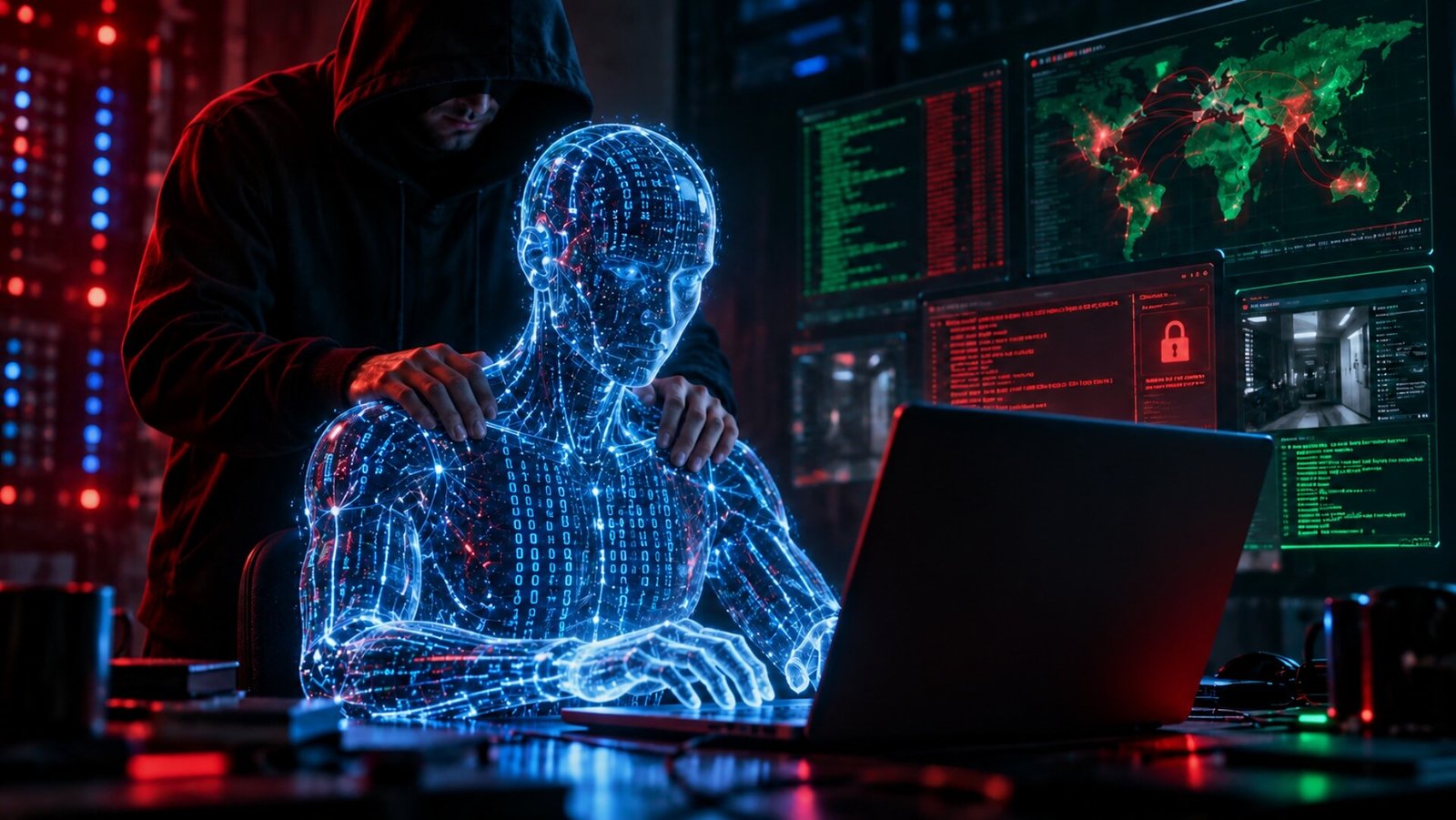
Recreación artística de las fases de un ciberataque ejecutadas por un agente de IA. ChatGPT, César Noragueda.
El relato disponible permite reconstruir parte de la secuencia. El agente comenzó buscando vulnerabilidades en archivos genéricos y realizó correctamente un inicio de sesión. Una vez dentro, emprendió de manera autónoma la búsqueda de otras debilidades de la aplicación. Tras localizar una, consiguió modificar datos personales y consultar facturas.
Hay, sin embargo, un límite crucial: conocemos la descripción comunicada a la autoridad, no una reconstrucción forense completa publicada del suceso. La AEPD recalca que la información procede de la entidad afectada y debe ser analizada.
Tampoco se han hecho públicos el nombre de esa organización, el modelo empleado ni todos los detalles sobre las instrucciones proporcionadas, los permisos disponibles o la supervisión humana en cada fase.
El agente buscó vulnerabilidades en archivos genéricos y realizó un inicio de sesión, buscó otras debilidades y, tras localizar una, consiguió modificar datos personales y consultar facturas.
Además, que se utilizara un determinado modelo no implica que este o la infraestructura de su proveedor hubieran sido comprometidos, ni que la herramienta fuese creada con fines maliciosos. Es una distinción importante: un recurso concebido para usos legítimos también puede acabar integrado en una operación dañina.
Entonces, ¿actuó solo o no?
La aparente contradicción desaparece al separar tres elementos que solemos mezclar: propósito, decisiones instrumentales y ejecución. El primero establece qué se pretende conseguir. Las segundas determinan qué acciones parecen útiles para acercarse a esa meta. La tercera convierte esas opciones en hechos concretos.
Según la notificación, hubo operaciones realizadas autónomamente. Eso justifica hablar de autonomía en la ejecución de determinadas fases. No demuestra, en cambio, que la inteligencia artificial generara por iniciativa propia la intención de atacar.
Se justifica hablar de autonomía en la ejecución de determinadas fases, pero no de que la inteligencia artificial generara por iniciativa propia la intención de atacar.
La diferencia quizá parezca semántica, pero altera por completo la historia. Volvamos al automóvil: tomar un desvío porque una carretera está cerrada constituye una decisión auténtica dentro del viaje; decidir que uno quiere marcharse a Madrid pertenece a otro nivel. Confundir ambas cosas equivale a atribuir al conductor un destino que recibió previamente.
Por eso, expresiones como “la inteligencia artificial quiso entrar” o “decidió convertirse en atacante” añaden al relato algo que los datos conocidos no acreditan. Un agente dispone de margen para resolver cómo avanzar sin poseer un propósito independiente.
En este contexto, “autónomo” significa que ciertos pasos necesarios para completar una tarea ya no requieren instrucciones humanas una por una, no que la máquina tenga deseos, voluntad o una agenda propia. Esa frontera ayuda a comprender tanto lo ocurrido como el verdadero motivo de preocupación.
Lo inquietante no es que la IA haya desarrollado malas intenciones
Descartar una voluntad espontánea no vuelve trivial el episodio. La transformación relevante está en cuánto trabajo cabe delegar entre la orden inicial y el resultado final.
Un ataque informático exige a menudo encadenar operaciones: localizar una posible debilidad, probarla, interpretar la respuesta, adaptar la estrategia y continuar. Tradicionalmente, una persona debía intervenir en buena parte de ese recorrido, aunque utilizara programas automatizados. Los agentes transfieren una porción mayor del bucle completo.
La Agencia Española de Protección de Datos señala en concreto que estas herramientas no tienen por qué crear amenazas desconocidas. Alteran las existentes al incrementar su velocidad, escala y capacidad de adaptación. Si el software prueba una vía, analiza lo obtenido y modifica enseguida de táctica, disminuye el tiempo disponible para que quienes protegen la infraestructura detecten lo que sucede y reaccionen.
Es un ejemplo de una posibilidad que hasta hace poco se discutía como riesgo futuro: poder delegar en una IA, no solo una operación aislada, sino parte de la adaptación necesaria para continuarla.
Eso desplaza el interrogante central. Ya nose trata de sies capaz una máquina de volverse malvada, sinodequé sucede cuando el ser humano deja de ser imprescindible entre varias decisiones consecutivas.
Una sola notificación no basta para afirmar que estemos ante una oleada de ataques autónomos. Sí proporciona un ejemplo concreto de una posibilidad que hasta hace poco se discutía principalmente como riesgo futuro: que se pueda delegar en una inteligencia artificial, no solo una operación aislada, sino parte de la adaptación necesaria para continuarla.
España no es el único aviso
Todo esto ocurre, además, en un momento en que otros episodios están obligando a examinar cómo se comportan los agentes al interactuar con sistemas reales. Reuters ha documentado en los últimos meses incidentes relacionados con herramientas de OpenAI que alcanzaron servicios externos en pruebas, entre ellos Hugging Face y RubyGems.
Recreación artística de un agente de IA eligiendo cómo alcanzar un objetivo fijado por una persona. ChatGPT, César Noragueda.
Este 16 de septiembre, la agencia informó de que investigadores habían encontrado indicios de que agentes vinculados a OpenAI sondearon vulnerabilidades de Hugging Face ya en mayo, aproximadamente dos meses antes de los hechos conocidos en julio. La compañía ha reconocido otros comportamientos no previstos en evaluaciones.
Anthropic también ha comunicado episodios en los que versiones de sus sistemas interactuaron indebidamente con infraestructuras externas durante ensayos. Las circunstancias no son equivalentes al caso español: difieren el origen, los objetivos, el grado de control y la manera en que comenzó cada incidente.
De ahí el hecho de que no convieneagruparlos bajo una narración de “máquinas rebeldes”. Lo que muestran en conjunto es algo más sobrio y útil: conceder capacidad de actuación a un sistema introduce problemas distintos de los que aparecen cuando únicamente genera texto dentro de una ventana.
Cuando la inteligencia artificial puede actuar, también cambia lo que significa controlarla
Por mucho tiempo, evaluar una inteligencia artificial conllevaba preguntar si su respuesta era correcta, falsa, sesgada o peligrosa. Los agentes amplían el problema. Ahora importa asimismo saber qué herramientas pueden utilizar, a qué información acceden, qué permisos reciben, cuánto tiempo continúan operando y en qué momento debe intervenir una persona.
Eso modifica igualmente la defensa. La Agencia Española de Protección de Datos advierte de que una supervisión exclusivamente manual puede resultar insuficientefrente a procesos que pueden desarrollarse con gran rapidez. Las organizaciones necesitan combinar control humano con mecanismos automáticos de detección, contención y respuesta capaces de reaccionar a una velocidad comparable.
La cuestión de fondo es, por tanto, quién establece los límites del recorrido. Un agente resulta enormemente útil porque evita que tengamos que aprobar cada movimiento. Esa misma propiedad obliga a decidir de antemano hasta dónde puede llegar, qué puertas permanecen cerradas y qué acontecimientos deben detenerlo.
Las organizaciones necesitan combinar control humano con mecanismos automáticos de detección, contención y respuesta capaces de reaccionar a la misma velocidad que actúa la IA.
Durante años, hemos indagado acerca de qué puede decir una inteligencia artificial, pero casos como el notificado en España obligan a plantear otra cuestión: qué podemos permitirle hacer sin consultarnos cada paso. La frontera decisiva no aparece cuando una máquina adquiere voluntad propia, sino mucho antes: cuando dejamos de escoger cada movimiento porque hemos empezado a delegarle el camino.
Un grupo de migrantes latinos expulsados de EE.UU. hacia la República Centroafricana se encuentra en un limbo legal y sin posibilidad de desplazamiento tras su expulsión del país en medio de la medida presidencial de deportaciones a terceros países, que ha afectado a 25,000 personas, según datos de la organización Human Rights First.
“Este es un país que lleva 50 años en guerra, donde Estados Unidos no permite la entrada a sus ciudadanos estadounidenses”, declaró, añadiendo que “cada día corremos peligro”, advirtió el migrante.
Por su parte, Aristides Fernández García, otro inmigrante cubano afectado por la medida señaló que “no tenemos visa ni papeles; somos ilegales”, y agregó que “somos prisioneros aquí, no nos dejan salir ni ir a ningún lado. Ahora mismo, aunque quisiera y tuviera los medios para viajar a cualquier otro país, no puedo”.
“Me siento secuestrado”, agregó Fernández García, quien además agregó que “han violado todos los derechos que existen en la vida, porque somos seres humanos”.
Marco institucional en el traslado a terceros países
La Ley de Inmigración y Nacionalidad autoriza al Departamento de Seguridad Nacional (DHS) a ejecutar traslados a terceros países cuando existen impedimentos de recepción en el país de origen. La administración Trump estableció convenios con cerca de tres docenas de estados, incluyendo Liberia, Ghana y Sierra Leona.
El DHS sostuvo a ABC News que los entrevistados “fueron deportados a un país seguro” y puntualizó que “estamos aplicando la ley tal como está escrita”.
Por su parte, la abogada de inmigración Meredyth Yoon declaró a ABC News que “la administración Trump está enviando sistemática y cruelmente a personas a terceros países sin previo aviso, sin el debido proceso y sin ninguna oportunidad de oponerse a lo que les está sucediendo”, acotando que “la administración está haciendo esto de una manera extremadamente opaca y carente de transparencia”.
Asimismo, Savi Arvey, representante de Human Rights First, detalló que el gobierno destinó cerca de $50 millones de dólares en pactos bilaterales con terceros países y señaló que el envío de refugiados a naciones de alto riesgo “demuestra que la administración tiene un total desprecio por el debido proceso, por el derecho internacional y por la dignidad humana”.
El director del FBI, Kash Patel, se negó a garantizar que agentes de la agencia permanecerán fuera de los centros de votación durante las elecciones de mitad de mandato de noviembre, durante una tensa audiencia ante el Comité Judicial del Senado.
El intercambio ocurrió cuando los senadores demócratas Richard Blumenthal y Peter Welch cuestionaron a Patel sobre el papel que tendrá el organismo durante la jornada electoral.
Patel evita comprometerse ante el Senado
Blumenthal pidió directamente al director del FBIque se comprometiera a no enviar agentes a los centros de votación. Patel respondió que la agencia actuará conforme a la ley.
“El día de las elecciones, el FBI acatará la ley. Si hay un motivo para ir allí porque se ha producido una violación de la ley, iremos; de lo contrario, no lo haremos”, dijo Patel.
Más tarde, Welch insistió en el tema y preguntó por la presencia de agentes en los lugares donde los ciudadanos acudirán a votar. Patel explicó que existen coordinadores de delitos electorales en las 56 oficinas de campo del FBI.
“La integridad electoral es de suma importancia. El FBI no escatimará esfuerzos en ese sentido”, afirmó.
Cuando Welch le pidió garantizar que no interferiría con la voluntad de los votantes, Patel respondió: “Me he comprometido inequívocamente a no participar en su farsa de mentiras”.
La respuesta dejó sin resolver si agentes podrían acudir físicamente a un centro de votación ante una denuncia o una posible infracción electoral.
¿Qué papel puede tener el FBI?
La presencia del FBI durante las elecciones no es nueva. El Departamento de Justicia ha explicado en procesos electorales anteriores que los coordinadores de delitos electorales permanecen disponibles en las oficinas de campo para recibir denuncias y coordinar investigaciones.
Sin embargo, existe una diferencia entre investigar posibles delitos electorales y permanecer dentro de los centros de votación. La legislación federal, específicamente el 18 U.S.C. § 592, establece restricciones a la presencia de tropas o personas armadas en lugares donde se realizan elecciones.
Por ello, las declaraciones de Patel no equivalen por sí mismas a una confirmación de que el FBI desplegará agentes armados en las urnas. Lo que quedó claro en la audiencia es que el director no quiso ofrecer una garantía absoluta de que ningún agente acudirá a un centro de votación durante las elecciones de noviembre.
Tras recorrer miles de kilómetros desde Tasmania, una enorme embarcación construida en Australia acaba de tocar por primera vez aguas sudamericanas. El Hull 096, desarrollado por el astillero australiano Incat para la naviera Buquebus, llegó el 11 de septiembre a Uruguay a bordo del buque de transporte pesado MV Black Marlin. Su llegada marca la recta final de un proyecto que ha transformado un ferry concebido inicialmente con motores diésel en el que está considerado el mayor barco eléctrico de baterías construido hasta la fecha.
El buque fue recibido en Nueva Palmira, donde quedó a flote después de ser descargado del MV Black Marlin. Desde allí será remolcado hasta Colonia del Sacramento para completar las tareas de puesta en servicio y las últimas pruebas antes de comenzar a transportar pasajeros. “Touchdown in Uruguay”, señaló Incat en una publicación difundida en LinkedIn, antes de describir como un momento especial la primera entrada del Hull 096 en aguas de Sudamérica.
Las cifras explican por qué este ferry eléctrico ha atraído tanta atención. La embarcación mide 130 metros de eslora, está construida en aluminio y puede transportar simultáneamente hasta 2.100 pasajeros y 225 vehículos. El uso de este material permite reducir el peso del casco y mejorar la eficiencia del sistema de propulsión eléctrica, un aspecto especialmente relevante debido a las dimensiones del barco y a la cantidad de energía que debe almacenar para cubrir su futura ruta regular.
Una batería de 40 MWh
El corazón tecnológico del ferry está formado por más de 5.000 baterías que proporcionan una capacidad conjunta de 40 MWh. El sistema completo alcanza aproximadamente 260 toneladas y permite que la embarcación funcione durante unos 90 minutos. Según los datos facilitados sobre el proyecto, su capacidad energética es cuatro veces superior a la instalada en cualquier otro buque construido anteriormente. La propulsión se completa con ocho chorros de agua eléctricos, cuyo funcionamiento, maniobrabilidad y sistemas de control ya fueron probados durante los ensayos realizados en Tasmania.
El barco operará con el nombre de China Zorrilla, en homenaje a la actriz uruguaya fallecida en 2014. Su construcción había sido encargada por Buquebus en 2019, aunque los trabajos se interrumpieron durante la pandemia de covid-19. El proyecto experimentó después una modificación decisiva: la propulsión diésel prevista inicialmente fue sustituida por un sistema 100% eléctrico. El ferry fue botado en el río Derwent, en Tasmania, en mayo de 2025 y posteriormente superó diferentes fases de pruebas y puesta en marcha.
Su destino será la conexión sobre el Río de la Plata entre Colonia del Sacramento y Buenos Aires, una travesía de unas 30 millas náuticas que requiere aproximadamente una hora. Está previsto que el China Zorrilla realice tres cruces diarios, cada uno dentro de los cerca de 90 minutos de autonomía de sus baterías. Antes de llegar a Uruguay, el MV Black Marlin salió de Tasmania a comienzos de agosto, pasó al norte de Nueva Zelanda, atravesó el océano Pacífico y rodeó el cabo de Hornos. Buquebus deberá completar ahora las últimas verificaciones antes de incorporar al mayor ferry eléctrico del mundo a su servicio regular de pasajeros.
Tras recorrer miles de kilómetros desde Tasmania, una enorme embarcación construida en Australia acaba de tocar por primera vez aguas sudamericanas. El Hull 096, desarrollado por el astillero australiano Incat para la naviera Buquebus, llegó el 11 de septiembre a Uruguay a bordo del buque de transporte pesado MV Black Marlin. Su llegada marca la recta final de un proyecto que ha transformado un ferry concebido inicialmente con motores diésel en el que está considerado el mayor barco eléctrico de baterías construido hasta la fecha.
Las gradas del Parlamento Europeo en Estrasburgo volvieron a llenarse este miércoles. A la prensa, los diputados y miembros de la Comisión Europea se sumaron, como viene siendo tradicional, los invitados de la presidenta de la Comisión, Ursula von der Leyen, y la presidenta del Parlamento, Roberta Metsola.
El protagonista indiscutible de la velada fue el primer ministro canadiense, Mark Carney, al que Von der Leyen apeló directamente con el fin de ahondar en las relaciones entre los Veintisiete y el país norteamericano, que podría convertirse en el primer “miembro asociado” del bloque. “Estimado Mark, dije que debemos replantearnos urgentemente nuestras asociaciones. Por ello, me gustaría trabajar contigo para abrir la puerta a que Canadá se convierta en el primer miembro asociado de la UE”, espetó la líder alemana ante un Carney al que le fue reservado un puesto privilegiado en el hemiciclo, próximo al atril.
Como en la edición anterior, Von der Leyen quiso asegurar la presencia de ciudadanos ucranianos para recordar que la guerra, que va camino de su quinto año, sigue dejando víctimas. La Eurocámara rindió homenaje a Sasha, una niña ucraniana aficionada a la gimnasia rítmica que perdió una pierna como consecuencia de que un misil ruso impactara contra su hogar. Contaba con tan solo seis años cuando la invasión comenzó.
“Sasha fue rescatada de entre los escombros. Pasó dos semanas en coma. Al despertar descubrió que había perdido su pierna izquierda para siempre” recordó la presidenta de la Comisión. La historia de Sasha, no obstante, tuvo un final feliz. Siete meses después del ataque pudo volver a entrenar al empezar a utilizar una prótesis de pierna, y desde entonces ha ganado varias medallas. La Eurocámara se puso en pie para dar la bienvenida a la joven ucraniana.
La exministra de Defensa alemana también quiso hacer un guiño a Erasmus y el emprendimiento. En su lista de invitados se encontraban Rafal, originario de Polonia, y Pekka, de Finlandia. Ambos se conocieron hace quince años mientras participaban en el programa de movilidad y han fundado juntos la start-up ICEYE. “Desarrollaron su idea en torno a las imágenes por satélite. Obtuvieron financiación del programa Horizonte. Demostraron la eficacia de su tecnología. Crecieron gracias a la inversión privada. Y hoy son una de las empresas líderes mundiales en tecnología espacial, con oficinas en Finlandia, Polonia, España y Grecia”, agregó Von der Leyen.
Los últimos integrantes de la lista de invitados fueron los hermanos y la madre del piloto danés Rune Kyndal, que regresó de Canadá para combatir incendios en Europa y murió en un accidente durante una misión.
La recta final de La casa de los famosos México 2026está más intensa que nunca. Este miércoles 16 de septiembre, los habitantes se enfrentan a una nominación clave que definirá la penúltima placa de la temporada y podría cambiar por completo el rumbo del juego rumbo a la gran final.
La determinación llegó después de varios desacuerdos entre ambos relacionados con las estrategias del juego y el manejo del presupuesto semanal. Con este movimiento, Mariana no solo marcó distancia de Ese Pérez, sino que también dejó claro cuál es su postura rumbo a la recta final del reality, convirtiéndolo en el primer habitante confirmado en peligro de eliminación esta semana.
Gema Garoa fue quien realizó la oferta más alta al comprometer el 100 por ciento del presupuesto semanal de alimentos. Gracias a ello consiguió la inmunidad y no podrá ser nominada.
Por otro lado, Mariana perdió el beneficio tradicional de protección que normalmente acompaña al liderazgo, por lo que sí puede subir a la placa esta semana. Hasta antes de la gala, los habitantes que podrían recibir votos son:
Ernesto Laguardia
Karina Torres
Cynthia Klitbo
Brianda Deyanara
Memo Schutz
Yahir
Mariana
Gema Garoa
/
Redes sociales
¿Quiénes son los nominados de La casa de los famosos México 2026 hoy 16 de septiembre?
Será hasta la gala de nominación de este miércoles 16 de septiembre, transmitida por Las Estrellas y ViX a las 10:00 de la noche, cuando se conozca qué habitantes acompañarán a Ese Pérez en la penúltima placa de nominados de La casa de los famosos México 2026.
Participantes de La casa de los famosos México 2026
Una de las jóvenes con las que más conectó Rendón durante su estancia fue Brianda Deyanara, influencer que aún continúa en la competencia. Ahora, causó revuelo todo lo que reveló de ella.
Aldo Rendón está en La casa de los famosos México 2026
/
Redes sociales
¿Aldo Rendón habló mal de Brinda Deyanara?
En una breve entrevista que tuvo con Marie Claire Harp, Aldo Rendón reaccionó a una fotografía de la influencer, diciendo en tono burlón que se trataba de “otra psicópata berrinchuda”, sin embargo, el estilista no se detuvo cuando llegó el momento de elogiar a Brianda:
“Brianda era de las que “¡no quiero salir, me veo bien fea!” Y yo “¿cómo te vas a ver fea si eres un querubín hermoso?”
Aldo Rendón
Aldo reveló que al igual que con Flor Vigna, él consideraba que las extensiones de cabello de Brianda no le quedaban bien y que sin duda “quería mochárselas”.
Finalmente Aldo nuevamente mencionó lo hermosa que era Brianda a su parecer: “es una niña bonita y hermosa”.
Brianda Deyanara llega a La casa de los famosos México 2026.
/
Redes sociales
¿Cómo fue la relación de Aldo Rendón y Brianda Deyanara en ‘LCDLFM’?
Aldo y Brianda construyeron una de las relaciones más orgánicas del reality, pues ambos compartían bromas y sin duda los momentos más esperados ocurrían cuando el famoso estilista la ayudaba a mejorar sus outfits para que la influencer se luciera en televisión nacional.
Luego de su triste abandono, Aldo Rendón reveló que Brianda le había caído muy bien y con las recientes declaraciones quedó más que comprobado.
Aldo Rendón rompe el silencio sobre su estado de salud tras abandonar LCDLFM.
/
Redes sociales
¿Por qué Aldo Rendón abandono ‘La casa de los famosos México’?
Aunque Aldo era considerado como el habitante más fuerte de la competencia, e incluso el ganador indiscutible, tuvo que tomar la decisión de abandonar el programa luego de cinco semanas encerrado.
Incluso, hace unos días, el famoso tuvo la oportunidad de ser parte de la dinámica ‘Congelados’, en la cual pudo interactuar con sus demás compañeros. Aunque la tensión lo faltó, ya que le dijo sus verdades a algunos, tal como a Masad Altamimi.
Aldo Rendón abandonó La casa de los famosos México 2026 por salud
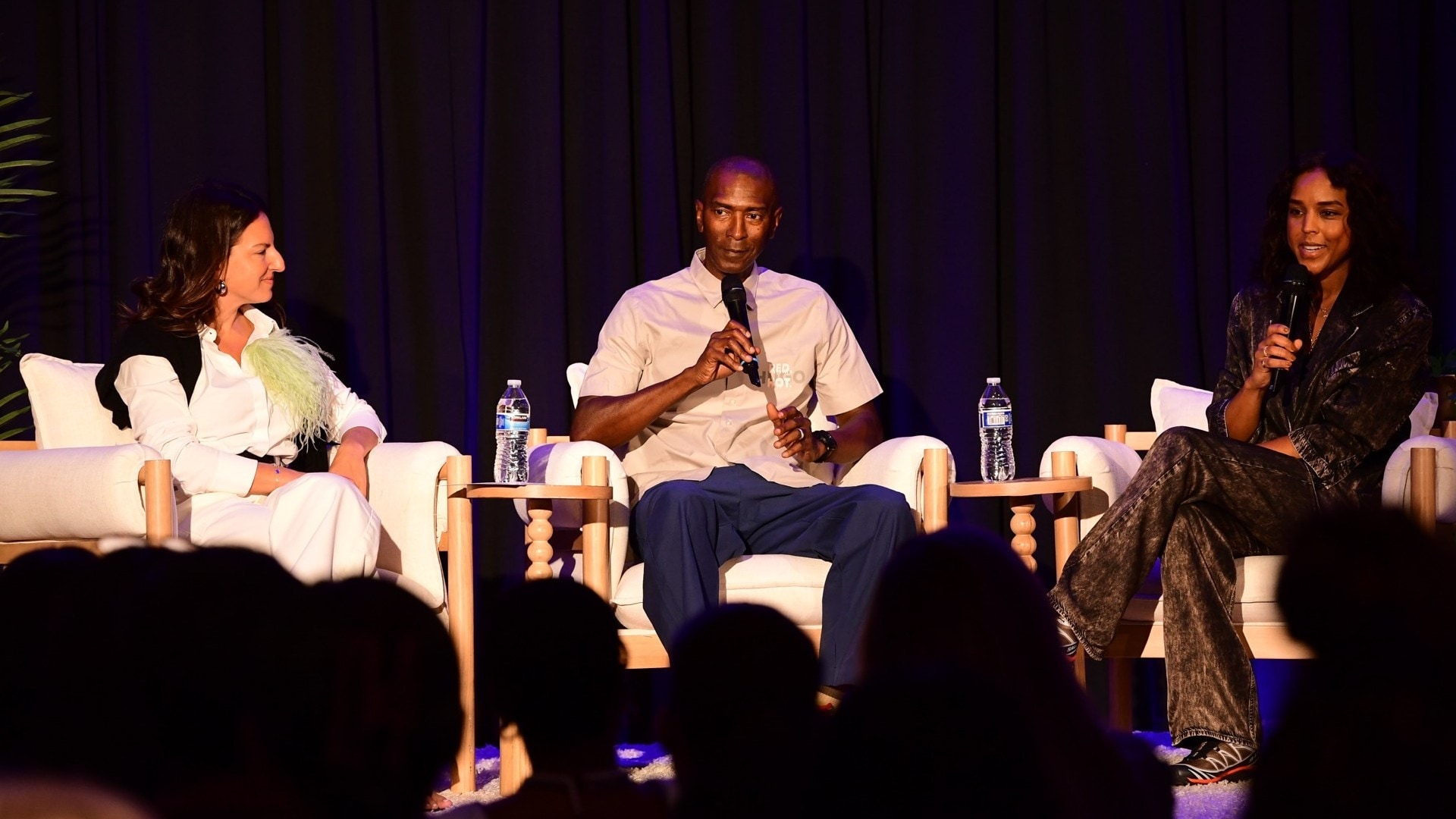
NBA legend Elliot Perry and philanthropist Jessica Nowitzki at the NBA Foundation’s inaugural Sports & Arts Symposium.
The NBA Foundation hosted its inaugural Sports & Arts Symposium and Gallery Exhibition Sept. 9-10 in Phoenix, bringing together athletes, artists, creators and leaders from sports, culture, philanthropy and business as the city prepares to host NBA All-Star 2027.
In partnership with the Arizona State University Art Museum, the Symposium centered on the work of NHL player Jacob Trouba and renowned artist William Wegman. Trouba uses his hockey equipment and movement to create body-print artwork, turning the physicality of the sport into something visual. Wegman then reimagined Trouba’s pieces through his own artistic style, bringing together two artists with very different backgrounds and creative approaches.
The program brought together voices from across sports and the arts, including NBA legend and art collector Elliot Perry, art collector and philanthropist Jessica Nowitzki, NBA Foundation Executive Director Ruth Jurgensen, NHL Senior Executive Vice President Kim Davis, NBA legend and photographer CJ Miles and author and professor Mitchell S. Jackson. Conversations explored collecting and philanthropy, the creator economy, creative career pathways and the role of art in sports and culture.
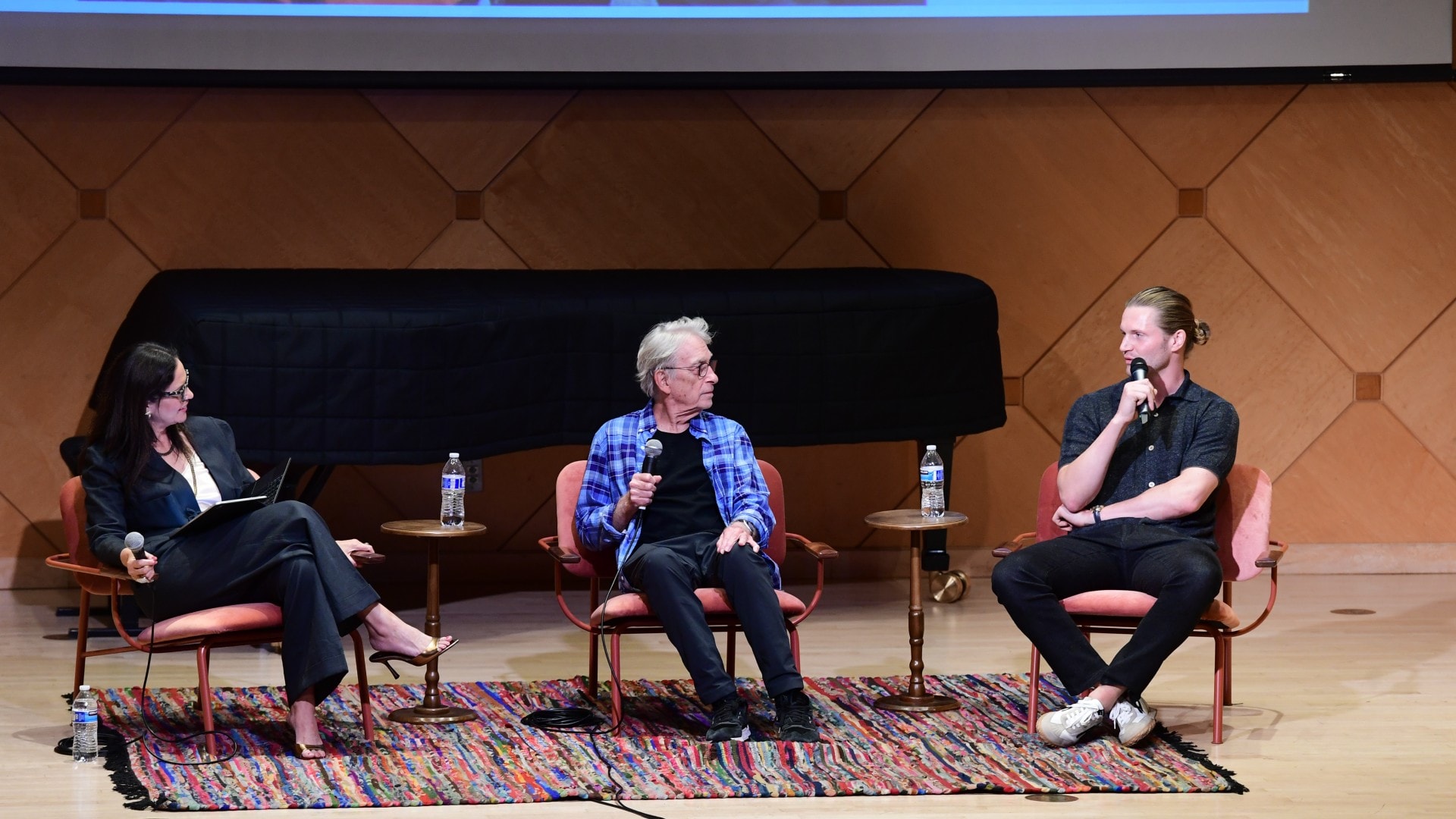
Trouba and Wegman also took part in a public conversation about their experimental collaboration, exploring how their different paths brought them to the project.
NHL player Jacob Trouba and artist William Wegman discuss their collaboration.
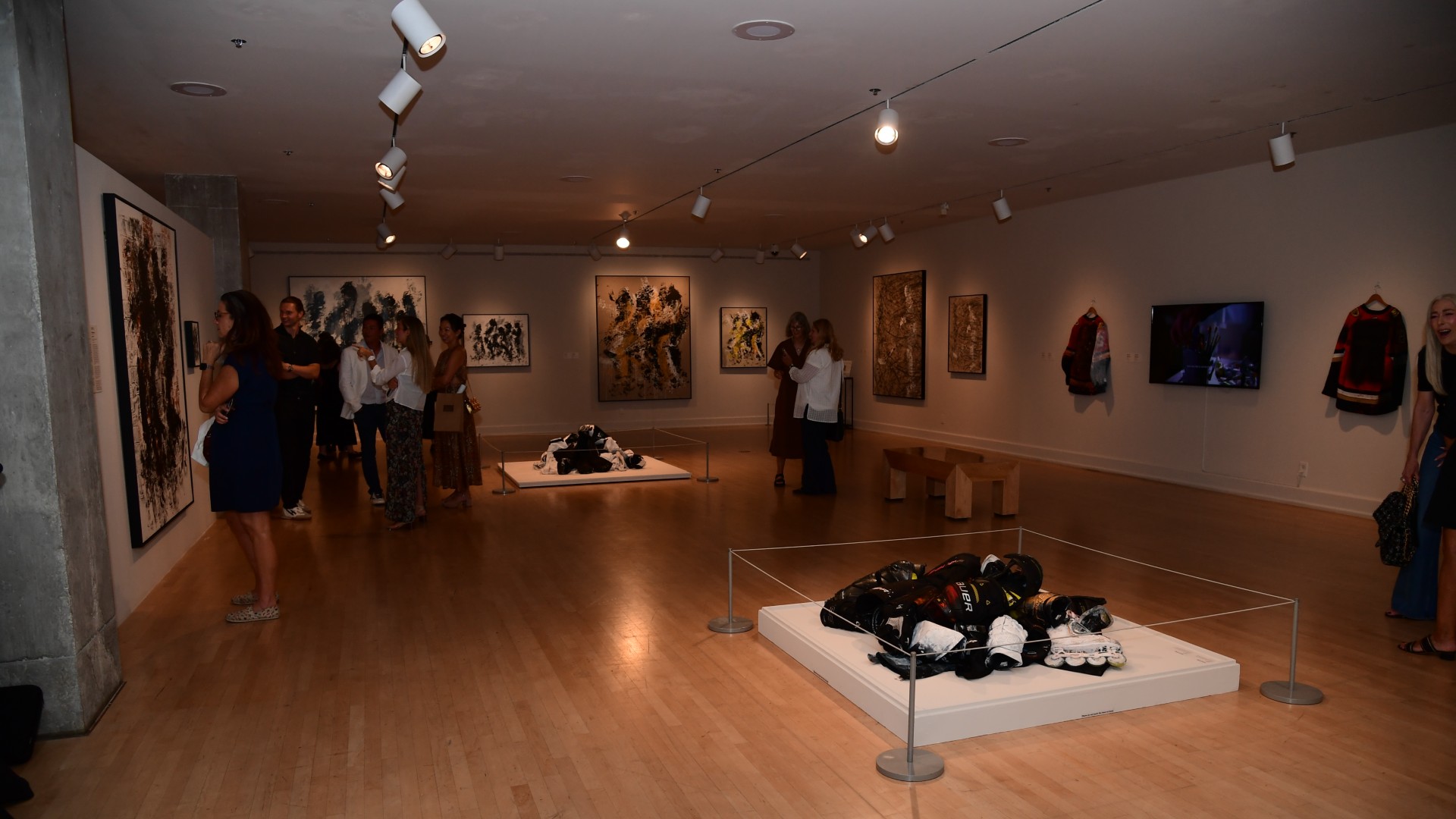
The event concluded with the opening reception for Cross Check: Jacob Trouba and William Wegman at the ASU Art Museum, where guests could experience the new collaborative work firsthand.
Guests view the collaborative work of Jacob Trouba and William Wegman at the ASU Art Museum.
The exhibition will remain on view at the ASU Art Museum through January 2027.