Ya tienes una cuenta vinculada a EL TIEMPO, por favor inicia sesión con ella y no te pierdas de todos los beneficios que tenemos para tí. Iniciar sesión
Hazme un resumen de las noticias más relevantes.
¿Qué está pasando en Colombia?
¿Qué ocurre en el mundo hoy?
¿Qué pasó en deportes hoy?
¿Quién es James Rodriguez?
James Rodríguez, es un futbolista colombiano que juega como centrocampista en el São Paulo Futebol Clube de la Serie A de Brasil.
Te recomiendo estos artículos para ampliar tu búsqueda.
¡Hola! Parece que has alcanzado tu límite diario de 3 búsquedas en nuestro chat bot como usuario registrado.
¿Quieres seguir disfrutando de este y otros beneficios exclusivos?
Adquiere el plan de suscripción que se adapte a tus preferencias y accede a ¡contenido ilimitado! No te
pierdas la oportunidad de disfrutar todas las funcionalidades que ofrecemos. 🌟
¡Hola! Haz excedido el máximo de peticiones mensuales.
Estamos resolviendo el problema, inténtalo nuevamente más tarde.
Procesando tu pregunta… ¡Un momento, por favor!
Los ‘cardenales’ esperan sorprender en llave de vuelta de cuartos de final de Copa Sudamericana.
Santa Fe vs. Vasco. Foto: Néstor Gómez. EL TIEMPO
¡Llegó la hora! Se juega en Río de Janeiro la llave de vuelta de cuartos de final de la Copa Sudamericana 2026, entre Vasco da Gama e Independiente Santa Fe.
Todo está preparado para un partido que se anticipa cerrado y muy disputado….
¡A seguir tumbando gigantes!
Después del empate 0-0 en Bogotá en el compromiso de ida, todo está por decidirse en territorio brasileño, donde los locales parecen favoritos, pero los colombianos saben de gestas fuera de casa.
Precisamente, el elenco ‘cardenal’ viene de eliminar en la fase de octavos a River Plate, que también lideraba las apuestas, en una emocionante tanda de penaltis.
Ma 15.09.2026 – 17:15
Santa Fe aguanta
El equipo bogotano resiste bien las embestidas y solo encuentra una opción de salida por el sector de Helibelton Palacios, pero sin claridad
Ma 15.09.2026 – 17:09
Marino ya da problemas
Olivera se gana la primera tarjeta amarilla en Santa Fe sobre los 6 minutos: Marino Hinestroza se le escapaba y recibía dura falta
Ma 15.09.2026 – 17:07
Vasco se hace sentir
Vasco da Gama se va encima de Santa Fe desde el pitazo, buscando hacer una diferencia en el arranque del juego
Ma 15.09.2026 – 16:54
Rueda la pelota
Suena el pitazo inicial y Vasco da Gama y Santa Fe van por la semifinal de la Copa Sudamericana
Ma 15.09.2026 – 16:09
¡Así va Santa Fe!
Con una nómina claramente ofensiva, con Fagúndez, Emerson Rivaldo y Rodallega en el frente, Santa Fe intentará sorprender. Estos son sus 11 inicialistas:
Ma 15.09.2026 – 16:01
¡Alineaciones confirmadas!
Así va el local, Vasco da Gama, con el colombiano Marino Hinestroza titular y sus compatriotas Andrés Gómez y Johan Rojas de suplentes:
Ya tienes una cuenta vinculada a EL TIEMPO, por favor inicia sesión con ella y no te pierdas de todos los beneficios que tenemos para tí. Iniciar sesión
Hazme un resumen de las noticias más relevantes.
¿Qué está pasando en Colombia?
¿Qué ocurre en el mundo hoy?
¿Qué pasó en deportes hoy?
¿Quién es James Rodriguez?
James Rodríguez, es un futbolista colombiano que juega como centrocampista en el São Paulo Futebol Clube de la Serie A de Brasil.
Te recomiendo estos artículos para ampliar tu búsqueda.
¡Hola! Parece que has alcanzado tu límite diario de 3 búsquedas en nuestro chat bot como usuario registrado.
¿Quieres seguir disfrutando de este y otros beneficios exclusivos?
Adquiere el plan de suscripción que se adapte a tus preferencias y accede a ¡contenido ilimitado! No te
pierdas la oportunidad de disfrutar todas las funcionalidades que ofrecemos. 🌟
¡Hola! Haz excedido el máximo de peticiones mensuales.
Estamos resolviendo el problema, inténtalo nuevamente más tarde.
Procesando tu pregunta… ¡Un momento, por favor!
James Rodríguez Foto: AFP
PERIODISTAActualizado:
La Federación Colombiana de Fútbol (FCF) emitió un comunicado oficial este martes para despedir e institucionalizar el homenaje a James Rodríguez, quien concluyó su etapa como jugador de la Selección Colombia de mayores. El homenaje reconoce la trayectoria del mediocampista desde su inicio en las categorías inferiores hasta su consolidación en el equipo principal, destacando sus actuaciones en citas continentales y mundiales como un hito dentro de la historia del deporte nacional.
El legado deportivo de James Rodríguez en el combinado nacional
El recorrido del volante con la camiseta tricolor comenzó en la categoría sub-17 y continuó con su debut en la selección absoluta durante el compromiso disputado en La Paz en 2011. A lo largo de su carrera internacional, Rodríguez participó en la consecución de logros deportivos y conformó sociedades en ataque con futbolistas como Radamel Falcao García, Juan Guillermo Cuadrado y Teófilo Gutiérrez.
James Rodríguez y Luis Díaz. Foto:Instagram: luisdiaz19_
Entre los momentos más destacados de su paso por el equipo nacional se encuentra la Copa Mundial de la FIFA Brasil 2014, certamen donde obtuvo distinciones individuales y colectivas que posicionaron su nombre en el plano internacional, sumado a sus apariciones en múltiples ediciones de la Copa América.
Reconocimiento institucional de la FCF
James Rodríguez Foto:AFP
A través de una declaración oficial, el presidente de la FCF, Ramón Jesurún, resaltó la importancia de la trayectoria del deportista y el impacto de su trabajo vistiendo el dorsal número 10.
“Hoy no despedimos solo a un futbolista extraordinario; despedimos a una leyenda que marcó un antes y un después. James Rodríguez llevó el orgullo de todo un país, a través de los colores de la Selección Colombia, a lo más alto del fútbol mundial. Su liderazgo y amor por nuestra tierra siempre honraron la camiseta número 10”, afirmó Jesurún.
James Rodríguez Foto:Getty Images via AFP
El Comité Ejecutivo, los planteles de jugadores, los cuerpos técnicos y el personal administrativo de la FCF manifestaron su agradecimiento al volante por su compromiso e hicieron extensivos sus deseos de éxito en los proyectos personales y profesionales que emprenda en el futuro.
Datos clave con la Selección Colombia
James Rodríguez Foto:Getty Images via AFP
Partidos disputados: 131.
Goles anotados: 31.
Mundiales disputados: 3.
Copas América jugadas: 4.
Bota de Oro de Brasil 2014:6 goles en 5 partidos.
Máximo anotador en Eliminatorias: 14 goles.
Máximo asistidor histórico: 43 asistencias.
Reconocimientos en Brasil 2014: Integrante del equipo ideal, ganador del Premio FIFA Puskás y autor del mejor gol del torneo.
Distinciones en Copa América:Mejor jugador y máximo asistidor de la edición 2024 (6 asistencias, récord en un solo torneo); integrante del equipo ideal en las ediciones 2019 y 2024.
Logros colectivos:Subcampeón de la CONMEBOL Copa América 2024 y campeón del Torneo Esperanzas de Toulon 2011.
Este contenido fue reescrito con la asistencia de una inteligencia artificial, basado en información de la Federación Colombiana de Fútbol.
Un ciclo se cerró este martes en la Selección Colombia. James David Rodríguez Rubio no lucirá más la camiseta nacional tras anunciar su retiro del equipo que tanto ama, el que defendió durante 15 años a pesar de las duras batallas, las fuertes tormentas y las furiosas críticas.
A sus 35 años de edad, el zurdo decidió cerrar una etapa en su vida y dar un paso al costado en la Selección Colombia. El anuncio llegó este martes, en un video de 3 minutos y 35 segundos en los que le agradeció al país por el apoyo y afirmó estar tranquilo de lo hecho durante más de una década.
James Rodríguez Foto:AFP
“Llegó el momento. Gracias por cada partido, cada alegría, cada lágrima y cada sueño compartido. Defender los colores de la Selección Colombia fue uno de los mayores honores de mi vida. Gracias, Colombia. Para siempre”, dijo el cucuteño.
James: un zurdo talentoso en Portugal
El nombre de James Rodríguez empezó a sonar con fuerza desde el 2011. Su talento y sus actuaciones en el Porto de Portugal no pasaron desapercibidos en el país, que le seguía la pista desde su paso por Banfield de Argentina.
James, aquel 11 de octubre del 2011 con el número 5. Foto:Reuters
Fue Leonel Álvarez el primer seleccionador en llamar a James a la absoluta después de brillar con la Selección Sub-20 en el Mundial de la categoría que se realizó en el país. El timonel paisa vio el gran potencial del cucuteño y ahí inició una historia que finalizó este 15 de septiembre.
El debut de James con la Selección Colombia se dio el 11 de octubre del 2011 en la victoria contra Bolivia en La Paz, en la eliminatoria a la Copa del Mundo 2014. Se estrenó con el número 5 en la espalda y fue la figura del encuentro.
James Rodríguez (der.), el día de su debut con la Selección absoluta. Foto:AFP
Explosión de James
James se fue consolidando en la Selección con el paso de los años, pero con la llegada de José Néstor Pékerman logró explotar su potencial. Tras la dolorosa lesión de Radamel Falcao García que lo sacó del Mundial 2014, el cucuteño fue quien tomó la vacante de estrella.
El cucuteño brilló y descrestó a todos los amantes del fútbol. Anotó en los cinco partidos que disputó: le marcó a Grecia, Costa de Marfil, Japón, Uruguay y Brasil. En esa Copa del Mundo se consolidó como estrella mundial y fue el empujón que lo llevó al Real Madrid.
James Rodríguez tuvo un mundial destacado. Foto:Mauricio Moreno. EL TIEMPO
James se consolidó en el XI ideal del Mundial Brasil 2014, su gol contra Uruguay en los cuartos de final fue elegido el mejor del torneo. Meses después recibió el premio Puskas de la Fifa por esa anotación. Además, terminó como goleador de la cita orbital con seis goles.
En su primera Copa América, en 2015, no logró brillar, pero tuvo algo de revancha un año después en la edición Centenario que se celebró en los Estados Unidos, donde la Selección fue tercera.
James Rodríguez en la práctica de Colombia en Miami. Foto:Miguel Bautista
Inició la turbulencia
El creativo lideró a la Selección en la clasificación al Mundial Rusia 2018, pero no logró brillar por sus problemas físicos, que lo apartaron del partido de los octavos de final contra Inglaterra. El ‘10’ vio el juego desde la tribuna.
La turbulencia empezó desde el 2019 tras la llegada del DT portugués Carlos Queiroz. El equipo no rindió y uno de los hombres señalados fue el cucuteño, quien no fue convocado a la Copa América del 2021.
James Rodríguez junto a Carlos Queiroz. Foto:AFP
El renacimiento de James
Después de que la Selección no clasificó al Mundial Catar 2022, llegó Néstor Lorenzo para hacer sentir importante a James Rodríguez de nuevo. El argentino, que ya conocía al ‘10’ desde su etapa como ayudante de Pékerman, logró que el zurdo se sintiera cómodo y recuperó su brillo.
James fue el mejor jugador de la Copa América 2024 en la que Colombia perdió la final contra Argentina. El zurdo no logró cumplir el sueño de ser campeón con su país, a pesar de tener la gloria tan cerca.
James Rodríguez y Luis Díaz. Foto:Instagram: luisdiaz19_
Su último baile fue en la pasada Copa del Mundo de Norteamérica, donde no consiguió ser determinante. Su último partido con la casaca que tanto ama fue el 7 de julio en Vancouver, Canadá.
Tras 15 años defendiendo a la Selección Colombia, James Rodríguez se convirtió en el jugador con más partidos en el elenco nacional con sus 131 juegos. Anotó 31 goles y dio 43 asistencias.
La Asociación del Fútbol Argentino (AFA) confirmó este martes que la Selección Argentina disputará tres partidos amistosos durante septiembre y octubre, ventana internacional que marcará el inicio de una nueva etapa tras el anuncio del retiro de Lionel Messi a finales de agosto.
El momento central de esta serie de encuentros será el homenaje de despedida preparado para el capitán y emblema del combinado nacional, programado para el 6 de octubre en el estadio Monumental de River Plate.
LEA TAMBIÉN
El anuncio fue oficializado por el propio presidente de la Asociación del Fútbol Argentino (AFA), Claudio ‘Chiqui’ Tapia, en un video en las redes sociales de la entidad.
“A todos los hinchas de la Selección Argentina, a todos los argentinos y argentinas, quiero comunicarles que después de una charla que hemos tenido con el técnico de la Selección Mayor, Lionel Scaloni, hemos tomado la decisión de invitar al mejor jugador del mundo, al emblema de nuestra Selección, a nuestro capitán, Lionel Andrés Messi, para que pueda tener la despedida que, realmente, se merece el día 6 de octubre acá, en la Argentina”, dijo Tapia. Ese día, la Albiceleste jugará contra Benín.
“A su vez, luego de haber recibido la aceptación de Lionel, invitar a todos los campeones del mundo que participaron con él en el Mundial de Catar del ’22, para que, con sus familias, lo acompañen en el partido que va a ser inolvidable para todos los argentinos y argentinas, fanáticos de la Selección, a ver el último tango del mejor jugador del mundo”.
Los encuentros servirán tanto para el reencuentro del plantel subcampeón del mundo como para afrontar sanciones disciplinarias impuestas por la Fifa.
Cronograma de partidos y detalles logísticos
El calendario de la Albiceleste comenzará en el interior del país y concluirá en la capital con dos presentaciones consecutivas:
Argentina vs. Bolivia: Se disputará el 30 de septiembre en el estadio Mario Alberto Kempes, en la provincia de Córdoba. Este cotejo marcará la primera presentación del equipo tras la derrota por 1-0 ante España en la final del Mundial de Norteamérica 2026, disputada el pasado 19 de julio en East Rutherford.
Argentina vs. Burkina Faso: Se jugará el 3 de octubre en el estadio Monumental de River Plate, en Buenos Aires. Este encuentro se llevará a cabo con un aforo reducido al 50%, debido a una sanción de la FIFA aplicada por el despliegue de una pancarta con la leyenda “Las Malvinas son argentinas” tras la semifinal ante Inglaterra.
Argentina vs. Benín: Está programado para el 6 de octubre, nuevamente en el estadio Monumental.
Lionel Messi Foto:EFE
El “último tango” del capitán y el reencuentro de los campeones
Durante la confirmación de la agenda, la AFA detalló los planes organizados en conjunto con el cuerpo técnico para la despedida del astro de 39 años. Tras una charla mantenida con Lionel Scaloni, se extendió una invitación formal a Messi para recibir un homenaje oficial en su país natal.
Asimismo, la dirigencia convocó a todos los futbolistas que integraron el plantel campeón del Mundial de Catar 2022 para acompañar al capitán junto a sus familias en el partido del 6 de octubre. Esta serie de encuentros representa el cierre definitivo de una trayectoria internacional de dos décadas para el delantero, periodo en el cual conquistó la Copa del Mundo 2022 y las Copas América de 2021 y 2024.
Lionel Messi Foto:EFE
Sanciones pendientes y el futuro del cuerpo técnico
La ventana internacional también tendrá un impacto reglamentario para los jugadores sancionados por los incidentes ocurridos al término de la última Copa del Mundo, siempre y cuando la Fifa califique los amistosos como partidos de Clase A.
Las penalizaciones vigentes afectan a:
Leandro Paredes: 10 partidos de suspensión.
Nahuel Molina: 7 partidos de suspensión.
Roberto Ayala (cuerpo técnico): 3 partidos de suspensión.
Thiago Almada: 1 partido de suspensión.
En paralelo al recambio deportivo que afronta el seleccionado, la continuidad de Lionel Scaloni en el banquillo permanece indefinida. El contrato del entrenador finaliza el próximo 31 de diciembre, y su continuidad al frente del equipo continúa en evaluación tras sus declaraciones posteriores a la final mundialista.
DEPORTES
Este contenido fue reescrito con la asistencia de una inteligencia artificial, basado en información de AFP y AFA.
Ya tienes una cuenta vinculada a EL TIEMPO, por favor inicia sesión con ella y no te pierdas de todos los beneficios que tenemos para tí. Iniciar sesión
Hazme un resumen de las noticias más relevantes.
¿Qué está pasando en Colombia?
¿Qué ocurre en el mundo hoy?
¿Qué pasó en deportes hoy?
¿Quién es James Rodriguez?
James Rodríguez, es un futbolista colombiano que juega como centrocampista en el São Paulo Futebol Clube de la Serie A de Brasil.
Te recomiendo estos artículos para ampliar tu búsqueda.
¡Hola! Parece que has alcanzado tu límite diario de 3 búsquedas en nuestro chat bot como usuario registrado.
¿Quieres seguir disfrutando de este y otros beneficios exclusivos?
Adquiere el plan de suscripción que se adapte a tus preferencias y accede a ¡contenido ilimitado! No te
pierdas la oportunidad de disfrutar todas las funcionalidades que ofrecemos. 🌟
¡Hola! Haz excedido el máximo de peticiones mensuales.
Estamos resolviendo el problema, inténtalo nuevamente más tarde.
Procesando tu pregunta… ¡Un momento, por favor!
Javier Tebas y Giani Infantino Foto: @giani_infantino @ Javier.tebas
El presidente de La Liga, Javier Tebas, declaró este martes en Madrid que España debería “repensar”su participación en la organización del Mundial de 2030 candidatura compartida con Portugal y Marruecos en caso de que Gianni Infantino continúe en la presidencia de la Fifa y el organismo determine otorgar la final al país magrebí. Durante la primera jornada del congreso World Football Summit (WFS), celebrado en La Nave, el dirigente de la patronal del fútbol español afirmó que las probabilidades de que la sede española albergue el encuentro definitivo son “ínfimas” bajo la actual administración internacional.
Gianni Infantino Foto:Gianni Infantino
Críticas a la gestión y al sistema de elección de la Fifa
Javier Tebas sostuvo que la continuidad de Gianni Infantino, quien ocupa la presidencia del máximo organismo del fútbol mundial desde 2016 y opta a la reelección en marzo, resta credibilidad a la institución. Según el presidente de La Liga, la permanencia de la actual directiva responde a la presencia de un “sistema clientelar” mediante el cual diversas federaciones nacionales dependen económicamente de los fondos de la Fifa.
Respecto a la eventual presentación de una candidatura alternativa para el proceso electoral cuyo plazo de inscripción concluye el 18 de noviembre, Tebas prefirió no señalar ningún nombre específico para evitar interferir en la contienda institucional, aunque reiteró la necesidad de evaluar el papel de España dentro del proyecto tripartito si no se garantizan las condiciones esperadas para el país.
Selección de España Foto:EFE
Valoración sobre la actualidad deportiva e institucional
Durante su intervención ante los medios de comunicación, el presidente de La Liga también fue consultado sobre la polémica vinculada al futbolista del Real Betis, Ez Abde, quien lució una camiseta con un mensaje en apoyo a Ceuta antes del partido frente al Villarreal. Tebas contextualizó la acción del jugador de nacionalidad marroquí como una consecuencia de la situación geopolítica en la zona, señalando las dinámicas de reclamación territorial por parte de diversos sectores del país vecino respecto a la soberanía española de la ciudad autónoma.
Jayson Tatum is back as a first round pick in points leagues after recovering from his Achilles tear.
The NBA preseason is just over two weeks away, meaning it’s time to start preparing for fantasy basketball! If you’re looking for an edge this season, RotoWire has you covered with their early top 150 points league rankings. Read on to see the rankings, plus analysis for each player for points formats, which value box score stats over efficiency.
Round 1
Nikola Jokić, Denver Nuggets — The most bankable box score in the sport. Points, rebounds and assists all at elite volume, in the neighborhood of 70 games, with triple-doubles arriving in bunches. Turnovers are the only real deduction and they’re nowhere near enough to matter.
Victor Wembanyama, San Antonio Spurs — The blocks that make him a category-league cheat code are worth less here, but the rest of the line still plays: 25-plus points, double-digit boards, real assist and steal volume. The gap to Jokić is games played and passing volume, and it’s a small one.
Luka Dončić, Los Angeles Lakers — With LeBron James in Philadelphia, Dončić owns the ball outright. Points leagues don’t care that the efficiency dips when his usage climbs. Dončić is one of the few players who can hit 30/8/8 nightly.
Shai Gilgeous-Alexander, Oklahoma City Thunder — The one first-rounder whose profile is genuinely worse here than in categories. His value leans on scoring efficiency and free-throw accuracy, which points formats mostly ignore. Rebounds and assists are good rather than great. Still a top-five producer, just not the cheat code he is in 9-cat.
Cade Cunningham, Detroit Pistons — Big-usage, ball-dominant guard with a heavy assist load and better rebounding than most point guards. He turns it over a lot, which is the one thing points leagues actually punish him for, but he outruns the penalty by volume. Cunningham will be 25 for the entire 2026-27 season and could still be improving.
Giannis Antetokounmpo, Miami Heat — A worthy top 5 pick in points leagues. The free-throw percentage and the missing threes are category-league problems. In points leagues you just bank 30 points, 11 boards and 6 assists on huge minutes.
Cooper Flagg, Dallas Mavericks — Finished his rookie year on a tear and now gets a full season of it. He fills every row of the box score. Kyrie Irving’s return should help the offense without meaningfully denting his touches.
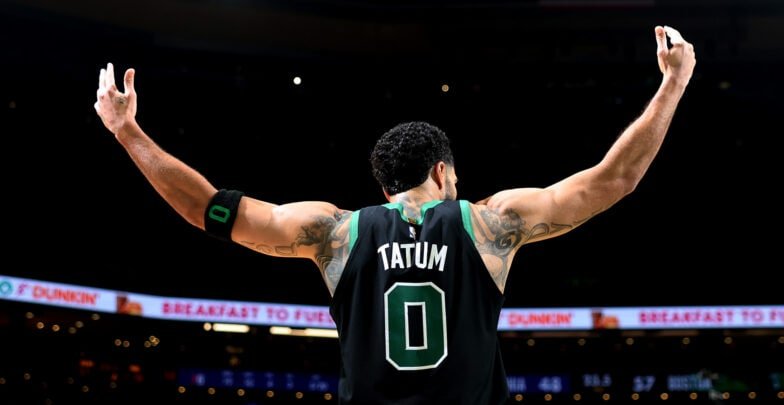
Jayson Tatum, Boston Celtics — A year removed from the Achilles tear and reinstalled as Boston’s clear first option with Jaylen Brown gone. Volume scoring plus eight rebounds and five assists is a strong points-league base; the only question is whether Boston manages his minutes early.
Tyrese Maxey, Philadelphia 76ers — The draft price assumes a real touch reduction with Brown and James arriving. That’s a fair concern, but Maxey was a 27-and-7 guard last year, and even a meaningful haircut leaves a top-15 points-league line. Watch the minutes reports in camp.
Anthony Edwards, Minnesota Timberwolves — Trading Naz Reid and Julius Randle for LaMelo Ball is a net positive for his supporting cast and a mild negative for his assist rate. Scoring volume is Edwards’ points league engine, though, and that could still increase.
Jalen Johnson, Atlanta Hawks — Johnson is a counting-stat machine — 20/10/6 with steals and blocks — as Atlanta’s franchise piece. Games played is the only bet you’re making.
Scottie Barnes, Toronto Raptors — Swapping Brandon Ingram for Kawhi Leonard trims his usage, but Barnes answers usage dips with rebounds, assists and defensive counting stats, so the total line holds up.
Round 2
Karl-Anthony Towns, New York Knicks — Strip out the shooting percentages that make him a category darling, and you still have a 24-and-12 center. That’s a clean second-round points-league asset, especially when considering center is a position of scarcity.
Alperen Sengun, Houston Rockets — One of the very best values in this format. Sengun is a triple-double threat from the center spot, coming off career highs in assists. Points leagues reward that shape more than any other.
Donovan Mitchell, Cleveland Cavaliers — Reliable high-volume scoring with James Harden absorbing the playmaking. Fewer assists than you’d like at this price, but the points total and the games played are steady year after year.
Kevin Durant, Houston Rockets — Still capable of 26 points a night with good rebound and assist numbers for a wing. He’ll be 38 at the end of September so the risk is rest days and load management, plus the potential for decline. But his role is stable.
Jalen Brunson, New York Knicks — Nothing changed in New York after the title, which means Brunson again leads the league’s most stable offense in usage.
Amen Thompson, Houston Rockets — His shooting splits are the only flaw, and this format barely charges for them. What’s left is a wing putting up points, rebounds, assists, steals and blocks in bulk.
Tyrese Haliburton, Indiana Pacers — An assist monster returning from an Achilles tear into an offense built entirely around him. There could be some load management, and he’s better in category formats.
Jamal Murray, Denver Nuggets — Career-best season, partly propped up by Denver’s injuries. Even with Jokić healthy all year, Murray is the clear second engine on a high-possession offense, which makes his floor unusually high for a mid-second-round guard.
Devin Booker, Phoenix Suns — A down shooting year buried his surface numbers, but he’s still Phoenix’s primary creator and their highest-usage player. Points leagues don’t make you eat the percentages — you just collect the points and assists.
Jaylen Brown, Philadelphia 76ers — Brown is unlikely to reach the volume he did when he was the clear No. 1 option on the Celtics last year. But he’s still going to be a top 2 option for Philadelphia, especially considering presumed absences from Joel Embiid and potential for load management from LeBron James.
Trae Young, Washington Wizards — Ten-assist upside is the most valuable single skill in points leagues outside of raw scoring. Washington has no one else to run the offense. The turnovers sting a little; the assist volume more than covers it.
Austin Reaves, Los Angeles Lakers — Another player whose efficiency risk simply doesn’t apply here. With James gone, Reaves is a high-volume secondary creator with a green light.
Round 3
LaMelo Ball, Minnesota Timberwolves — Per-game production is worth a mid-second pick. Games played is the debate, and now there’s a second question: how much the offense funnels through Edwards.
Kawhi Leonard, Toronto Raptors — Last season’s clean bill of health cuts against a decade of evidence. When he plays, he’s a 24-point scorer with strong defensive counting stats, but a Toronto roster full of options gives him easy excuses to sit when needed.
Anthony Davis, Washington Wizards — Twenty games last year. The per-game profile is still first-round — scoring, double-digit boards, blocks — and in a points league the games he does play pay out enormously.
Paolo Banchero, Orlando Magic — One of the largest format-driven moves on the board. He’s a 25-point, 8-rebound, 5-assist forward, and this format asks you to ignore the percentages and the thin steal and block totals entirely.
Josh Giddey, Chicago Bulls — Career year across the board and a nightly triple-double threat, which is the highest-leverage archetype in this format. Chicago added depth around him, but he remains the offense’s hub.
Domantas Sabonis, Sacramento Kings — With Russell Westbrook retired and DeMar DeRozan in Denver, Sabonis should reclaim a usage share he hasn’t had in two years. Last year’s injuries and team situation has knocked the price down on one of the few triple-double threats at the center position.
Chet Holmgren, Oklahoma City Thunder — A category-league treasure (threes plus blocks from a center) whose raw counting totals are merely good. That doesn’t quite pay off in the same way for points formats.
Deni Avdija, Portland Trail Blazers — An All-Star breakout built on exactly the stats this format pays for — scoring, rebounding and playmaking from a forward. The Ja Morant and Damian Lillard additions are a threat to his touches, which is why he’s a range pick rather than a lock.
Bam Adebayo, Miami Heat — Points, rebounds, assists and steals from the center slot. Sharing the frontcourt with Antetokounmpo may cost him boards, but he’s one of the safest 30-plus-minute bets at the position.
Jalen Duren, Detroit Pistons — Duren is a nightly double-double with rising free-throw, and Detroit did nothing to dilute his role. Low-variance production, though he has a relatively limited ceiling.
Evan Mobley, Cleveland Cavaliers — One of the least controversial players on the board. Cleveland’s third option puts up a quiet 18/10/4 with blocks; the shooting slump that hurt him in categories barely registers here.
Stephen Curry, Golden State Warriors — Curry’s fantasy value is unusually three-point-dependent, not to mention free-throw percentage – and that doesn’t translate well to points leagues. Add age 38 and the discount is justified.
Round 4
Walker Kessler, Los Angeles Lakers — Blocks and field-goal percentage are his calling cards, and this format doesn’t reward both meaningfully. What’s left is rebounds, dunks off Dončić passes and thin assist and free-throw numbers. Let him come to you in the fourth rather than chasing him in the third.
James Harden, Cleveland Cavaliers — Still a 20-and-10 threat, which is exactly the shape you want. Points leagues do charge for his turnovers, unlike the High Score formats where he’s a second-round pick.
Kon Knueppel, Charlotte Hornets — A second-year leap candidate handed Charlotte’s vacated usage after the Ball trade. The upside case is a 20-point scorer with a real assist load; the downside is a player whose value is mostly efficient shooting, which this format won’t reward.
Pascal Siakam, Indiana Pacers — A points league riser. Haliburton’s return means fewer possessions but he’s still Indiana’s No. 2 option. A 20/7/4 forward at this price is solid, dependable points-league inventory.
LeBron James, Philadelphia 76ers — Even in a reduced role, his per-minute box-score output is absurd, and points leagues reward the assists heavily. The bet is that Philadelphia doesn’t cut him to 28 minutes, or that he takes games off.
Brandon Miller, Charlotte Hornets — Charlotte’s most likely usage winner post-LaMelo, with a case for a scoring jump toward 24 a night. The rebounds and assists are adequate, not a selling point.
Jalen Williams, Oklahoma City Thunder — Wrist surgery and a hamstring problem wrecked last season. Healthy, he’s a 20-point wing with balanced secondary stats on a team that will win a lot of games — which in OKC’s case can mean fourth quarters off.
Donovan Clingan, Portland Trail Blazers — Averaged a double-double in 27.2 minutes a game as a sophomore. More minutes is the upside play, as Portland’s frontcourt is his to claim. Blocks are a bonus rather than the point here.
Joel Embiid, Philadelphia 76ers — When he plays, he’s an elite points league producer. But Philadelphia’s upgrades cut both ways: less pressure means fewer minutes, but also less reason to push him. Draft him as a high-variance swing, not a foundation.
Stephon Castle, San Antonio Spurs — One of the format’s best buys. His two flaws — shooting efficiency and turnovers — are the two things points leagues discount most heavily relative to categories. The counting stats are strong.
Trey Murphy III, New Orleans Pelicans — Down compared to category formats. He’s an efficient scorer and high-volume three-point shooter, which is a category-league profile. Twenty points with modest rebounds and assists is a fine but unspectacular points-league line, and Dejounte Murray’s return trims the usage.
Derrick White, Boston Celtics — The steals-and-blocks combination that makes him a 9-cat gem is worth much less here. Fewer shots with Tatum back and George added. Solid, not exciting.
Round 5
Lauri Markkanen, Utah Jazz — Down 16 spots. Utah’s win-now additions should help his availability but will eat into his shot volume, and Markkanen contributes relatively little outside of scoring and rebounding. That concentration is a liability at this price.
Kyrie Irving, Dallas Mavericks — The low turnover rate and clean efficiency that make him a category-league standout are largely irrelevant here. He’s a 24-and-5 guard coming off an ACL tear at 34. Fine value, capped upside.
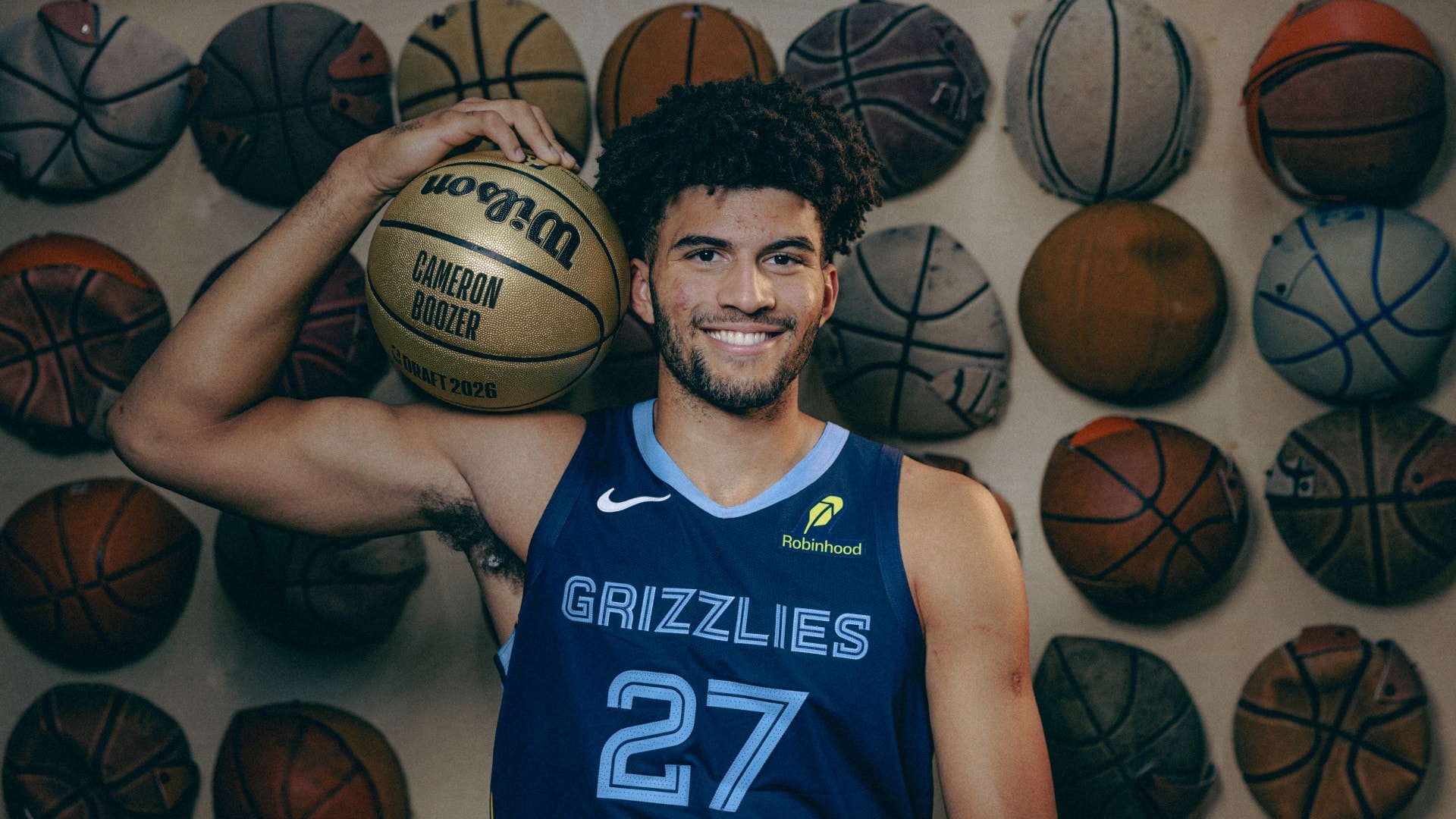
Cameron Boozer, Memphis Grizzlies — The best-positioned rookie on the board, and the market is climbing toward him fast. Memphis will hand him minutes and playmaking responsibility immediately, and points leagues absorb rookie inefficiency without complaint.
Franz Wagner, Orlando Magic — Orlando’s second option at 22 points, 5 rebounds and 5 assists when healthy. Two injury-shortened seasons is the discount; the role is secure behind Banchero.
Matas Buzelis, Chicago Bulls — Led every Bull not named Giddey in counting stats while playing under 30 minutes. If the minutes come, so does a second breakout.
Jaren Jackson Jr., Utah Jazz — Blocks and threes from a big are worth a premium in categories and ordinary money here. Utah’s crowded depth chart caps the ceiling.
Julius Randle, Brooklyn Nets — Likely to lead Brooklyn in points and assists combined. Worth taking a round ahead of where category drafters will let him slide.
Darius Garland, Los Angeles Clippers — Clear second option in Los Angeles alongside Ingram after a messy injury-and-trade season. Assist volume is the draw; rebounds and defensive stats are nearly nonexistent.
Onyeka Okongwu, Atlanta Hawks — Atlanta’s entrenched starting center with a double-double baseline. His new three-point range matters less here than the fact that he’s playing 32 minutes a night.
Ivica Zubac, Indiana Pacers — Down year, injuries, midseason trade — but Zubac is expected to bounce back. Rebounding volume and easy interior scoring with Haliburton feeding him is a strong center floor.
Tyler Herro, Milwaukee Bucks — A true lead playmaker for the first time in his career. That means the highest usage he’s ever had and a real assist total to pair with 23-plus points. Injuries have capped his potential in the past.
Keyonte George, Utah Jazz — He produced at an All-Star level in a limited sample, but Peterson, Jackson and Markkanen all need touches. Better efficiency could be on the way this year from George, but that doesn’t help here if the volume is reduced.
Round 6
Dyson Daniels, Atlanta Hawks — The elite steals season that made him a category league-winner didn’t repeat, and steals are worth far less here anyway. What remains is a low-usage wing with well-rounded box score output.
Dejounte Murray, New Orleans Pelicans — Back from an Achilles tear into 30-plus minutes and a big offensive role. Points, assists and steals in bulk when right; the recovery timeline has drafters cautious.
Desmond Bane, Orlando Magic — A high-efficiency, high-volume shooter whose counting stats outside of scoring are thin, but he’s fairly safe as Orlando’s No. 3 option.
Caleb Wilson, Chicago Bulls — The rookie is expected to start and play 30 minutes for a Chicago team with minutes to hand out. Efficiency is often an issue for first-year players, but that doesn’t matter here, and Wilson has the potential to stuff the stat sheet on both sides of the ball.
Nickeil Alexander-Walker, Atlanta Hawks — The Most Improved Player award came from a 3-and-D profile, and 3-and-D isn’t as valuable in points formats.
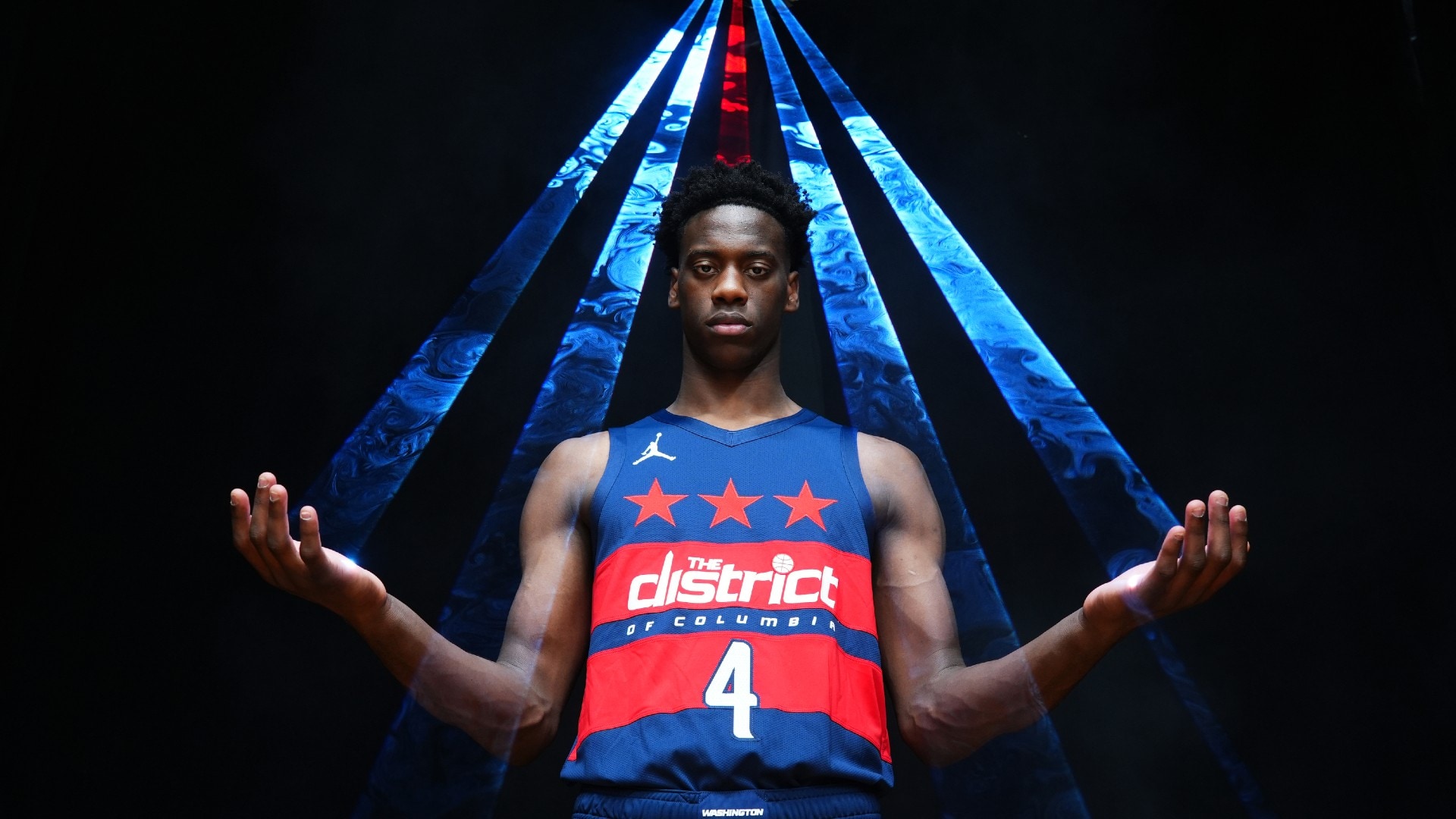
AJ Dybantsa, Washington Wizards — The No. 1 overall pick’s self-creation translates directly to this format, and his shaky three-point shot — the main knock on him — barely costs anything. Usage competition with Young and Davis is the catch.
Naz Reid, Charlotte Hornets — Moving from sixth man to starting power forward should push him past 30 minutes for the first time. Scoring and rebounding volume with a bit of playmaking.
VJ Edgecombe, Philadelphia 76ers — Strong rookie year, but Philadelphia’s offseason makes a sophomore leap in touches unlikely. Still, minutes should not be an issue, and development is on the table.
Zion Williamson, New Orleans Pelicans — A points league riser as a volume scorer, with rebounds and assists chipped in. Sixty-two games last year is encouraging by his standards.
Alex Sarr, Washington Wizards — Still a starter, but Davis and Dybantsa reshaped the roster around him. His value skews toward blocks and stretch shooting, both discounted here.
Brandon Ingram, Los Angeles Clippers — A 20/5/5 player in the clear top two of his offense after the Kawhi swap. He slips in drafts due to injury history.
Michael Porter Jr., Brooklyn Nets — Randle’s arrival costs him shots, but he may still lead Brooklyn in scoring. The three-point volume that inflates his category value does less for him here.
Round 7
Dylan Harper, San Antonio Spurs — A playoff breakout at 22.6 regular-season minutes as a rookie, and San Antonio’s backcourt logjam is the obstacle. But a second-year jump seems likely, even if it’s more of a gamble than many drafters would like.
Kel’el Ware, Milwaukee Bucks — Ware’s category league profile loses most of its force here. Points leagues just need the minutes to come, and on a rebuilding Milwaukee team, they probably will.
OG Anunoby, New York Knicks — The premier mid-round 3-and-D pick in category formats is more of an ordinary wing here.
Damian Lillard, Portland Trail Blazers — The hope is that even a diminished Lillard produces points and assists at volume. The crowded Portland guard rotation is a real problem, and a year off an Achilles tear is another.
Rudy Gobert, Minnesota Timberwolves — Rebounds, dunks and 70-plus games. His blocks and field-goal percentage are worth much more in categories, but the rebounding volume alone keeps him relevant here.
Derik Queen, New Orleans Pelicans — Eighty-one games as a rookie with flashes of a complete offensive game. New Orleans’ frontcourt minutes are the only thing standing between him and a breakout.
Payton Pritchard, Boston Celtics — Career highs across the board, then Tatum returned and George arrived. Expect a step back in volume from a player whose value is substantially three-point-driven — a bad combination for this format.
Zach Edey, Memphis Grizzlies — Excellent per-minute rebounding and scoring, coming off a lost season with a foot injury. Everything depends on whether he reaches 30 minutes and stays healthy.
Ryan Rollins, Milwaukee Bucks — Last year’s breakout came with Antetokounmpo out; now Herro is in town and Porter and Burries are competing for the same backcourt minutes. His role is just a little more murky than fantasy managers would like it to be.
Ausar Thompson, Detroit Pistons — The perimeter defense doesn’t pay here, but the rebounding, steals and transition scoring do, and his poor shooting — the thing that sinks him in category leagues — costs him almost nothing in this format. Thirty minutes would make him a value.
De’Aaron Fox, San Antonio Spurs — Castle and Harper have eaten into his expected usage, but a healthy Fox is still a 22-and-6 guard. Bounce-back candidate at a discounted price.
Mikal Bridges, New York Knicks — The most durable player in basketball, which is worth real money over 82 games of accumulation. The per-game line took a step back, and nothing about New York’s situation suggests it returns.
Round 8
Jaden McDaniels, Minnesota Timberwolves — Improving self-creator whose looks may get easier with LaMelo running the offense. Scoring and rebounding with useful steal and block totals, though none of it at high volume.
Coby White, Charlotte Hornets — Now the unambiguous starting point guard in Charlotte. That role change is worth more than his injury-hit final season in Chicago suggests.
Jarrett Allen, Cleveland Cavaliers — A nightly double-double threat whose minutes keep slowly eroding. Reliable floor, no ceiling, and Cleveland’s frontcourt depth caps the minutes.
Ja Morant, Portland Trail Blazers — The per-game scoring and assist numbers are excellent; the games played and the Portland guard logjam are not.
Darryn Peterson, Utah Jazz — The No. 2 pick starting at shooting guard means volume even if the efficiency is rough — exactly the trade points leagues are happy to make. Tough competition keeps the ceiling in check.
Paul George, Boston Celtics — Fifty-six or fewer games in six of seven seasons at age 36. His skillset is 3-and-D plus self-creation; only the last part carries much weight here.
Miles Bridges, Phoenix Suns — A starting forward who scores and rebounds in volume, third in line behind Booker and Green. The role is modest but the minutes are secure.
Nic Claxton, Chicago Bulls — Rebounds, blocks and lobs from Giddey. The field-goal percentage recovery that excites category managers is beside the point — what matters is that Chicago acquired him to play him.
Jabari Smith Jr., Houston Rockets — A career-high 31.5 minutes produced solid across-the-board numbers. Finding more shots behind Durant, Sengun, Thompson and VanVleet is the problem. High floor, low ceiling.
Norman Powell, Chicago Bulls — Two straight 20-point seasons on two different teams. Pure scoring volume is more valuable in this format than in categories, but he contributes very little else.
Day’Ron Sharpe, Brooklyn Nets — Apparently the starting center on a team with nothing to lose. Elite rebounding rate plus efficient interior scoring. The per-minute production has always been there.
Cedric Coward, Memphis Grizzlies — Sophomore breakout candidate with more minutes coming on a young Memphis roster.
Round 9
Josh Hart, New York Knicks — Rebounds and assists from a wing is a good points-league shape, but the minutes dipped last year, and New York’s rotation is set. His new three-point accuracy is a category-league consideration.
Ty Jerome, Memphis Grizzlies — Career-high per-game production in 15 healthy games. The talent is obvious, and the minutes projection is a total guess — a classic late-middle-round lottery ticket.
Jalen Green, Phoenix Suns — Another explicit points-league riser. He scores in bursts without much else, which is a profile this format treats far more kindly than 9-cat does.
Jaime Jaquez Jr., Milwaukee Bucks — He took a big step forward in Miami and has the inside track on forward minutes in a wide-open Milwaukee rotation.
Darius Acuff Jr., Sacramento Kings — A rookie point guard expected to start on a rebuilding team is a usage play. Assists and turnovers will both be high; the trade favors points formats.
Immanuel Quickley, Toronto Raptors — His mid-round category value leans on threes and free-throw shooting. The raw points and assists totals are merely fine, and Toronto’s roster is crowded.
RJ Barrett, Toronto Raptors — He’s a nightly 20-point scorer who does very little for category league managers.
Neemias Queta, Boston Celtics — Breakout season as a double-double threat, now sharing the position with Mitchell Robinson, which creates a minutes risk.
CJ McCollum, Atlanta Hawks — Steady backcourt scoring in a defined role. Nothing here is exciting, and nothing is likely to collapse either.
Kristaps Porziņģis, Golden State Warriors — On a per-game basis he demolishes this price, but he’s cleared 65 games twice in his career and his minutes keep shrinking.
Myles Turner, Milwaukee Bucks — Drafters are wildly split on Turner. His fantasy identity is blocks and threes from a center, which is a category-league identity. A rough first year in Milwaukee and an unsettled roster make him hard to trust here.
Andrew Wiggins, Miami Heat — Third scoring option behind Antetokounmpo and Adebayo, doing what he’s done for most of his career.
Round 10
Isaiah Hartenstein, Oklahoma City Thunder — Well-rounded center production — rebounds, assists, efficient interior scoring — limited by calf issues and Oklahoma City’s depth.
Ayo Dosunmu, Minnesota Timberwolves — Earned a five-year deal after starring in an expanded role. Expect real minutes on a high-paced Minnesota team, with scoring and assists as the main contributions.
Yaxel Lendeborg, Golden State Warriors — A rookie with a chance to start in Golden State’s system. Speculative, but the minutes case is interesting.
Brandin Podziemski, Golden State Warriors — Career highs again last year and a defined role in the Warriors’ offense. Rebounds and assists from a guard make him more useful here than his scoring average suggests.
Ajay Mitchell, Oklahoma City Thunder — In line for more usage after Oklahoma City’s wing exodus. Sixth Man candidate with starter upside.
DeMar DeRozan, Denver Nuggets — A potential 30-minute scorer taking open shots created by Jokić, who has never come off the bench since his rookie year. Points-league value is almost entirely scoring volume, and he’ll have plenty.
Khaman Maluach, Phoenix Suns — With Mark Williams out a chunk of the season, Maluach may step into a starting role after an impressive Summer League. There’s a lot of speculation by drafting him here, but upside as a potential double-double with two blocks threat.
Jeremiah Fears, New Orleans Pelicans — Microwave scorer with a decent all-around line. Dejounte Murray’s return and the addition of Bennedict Mathurin make a leap harder, but the usage when he’s on the floor is high.
Jalen Suggs, Orlando Magic — His value is concentrated in steals, threes and defense, which doesn’t translate well in points leagues. Suggs’ health is also a factor.
Peyton Watson, Cleveland Cavaliers — First clear path to a full-time starting job after a Year 4 breakout in Denver. Improves every offseason, but usage will be tough to come by.
Ace Bailey, Utah Jazz — Finished his rookie year strong and should have scoring volume off the bench even if he doesn’t start. Shot-taking, not shot-making, is what matters here.
Collin Murray-Boyles, Toronto Raptors — Carved out a role as a rookie while Jakob Poeltl was hurt. Versatile forward stats across the board, but how many minutes are available?
Round 11
Aaron Gordon, Denver Nuggets — Despite injuries, Gordon has a safe role and good chemistry with Jokić and Murray.
Jusuf Nurkić, Utah Jazz — Likely starting again with Kessler in Los Angeles. Rebounds and assists from the center spot is a solid late-round shape even with modest scoring.
Toumani Camara, Portland Trail Blazers — A starter-level 3-and-D forward is close to the least valuable archetype in points leagues. Minutes are the only draw.
Kevin Porter Jr., Milwaukee Bucks — Career-best numbers in 38 games, then Milwaukee added Herro and Burries and Rollins kept improving.
Keegan Murray, Sacramento Kings — Twenty-three games last year. A healthy season during Sacramento’s rebuild should mean minutes and shots. The production has historically been scoring and rebounding without much else.
Sandro Mamukelashvili, Los Angeles Lakers — Career year in Toronto, now the primary frontcourt backup behind a thin Lakers group. Strong per-minute scorer with sixth-man upside.
Fred VanVleet, Houston Rockets — Missed all of last season with a torn ACL and shot poorly the year before. The assist volume is the reason to care; the rest of the line is thin for a 32-year-old guard.
John Collins, Detroit Pistons — Replacing Tobias Harris in Detroit should mean more minutes and touches than he had with the Clippers. Scoring and rebounding at moderate volume.
Cameron Johnson, Denver Nuggets — His counting stats collapsed in Denver even as the shooting held up, which is the kind of season that grades far better in categories than here. The bounce-back case rests on volume returning.
Reed Sheppard, Houston Rockets — Took a step forward but still isn’t fully trusted, and Houston added Smart while getting VanVleet back. The path to minutes narrowed.
Kyshawn George, Washington Wizards — Real Year 2 improvement, but Washington’s roster got much busier, making it tough to evaluate minutes and usage.
Davion Mitchell, Miami Heat — The case for him is built on assists plus a tiny turnover rate, plus a safe role in Miami’s gameplan.
Round 12
Maxime Raynaud, Sacramento Kings — He made himself relevant as a rookie but is stuck behind a healthy Sabonis, which caps everything.
Zach LaVine, Sacramento Kings — Heavy usage on a rebuilding team is a good points-league setup. The problem is that he’s missed 108 games in three years and could be traded into a smaller role.
Cason Wallace, Oklahoma City Thunder — A steals specialist with a thin offensive profile is a category-league asset. He needs the extra usage to actually convert into shots.
P.J. Washington, Dallas Mavericks — Dependable starting power forward production — mid-teens scoring, seven rebounds — with rookie Morez Johnson as a downside risk.
Jrue Holiday, Portland Trail Blazers — Age 36 with Morant and Lillard added ahead of him. The all-around line is still respectable; the offensive workload is shrinking.
Anthony Black, Orlando Magic — A third-year breakout fueled by teammate injuries. With Orlando healthy, the minutes and touches aren’t obviously there for another step.
Egor Dëmin, Brooklyn Nets — Flashed as a rookie shooter but struggled finishing inside, and now Mikel Brown Jr., Randle and Porter Jr. are all ahead of him in the pecking order.
Christian Braun, Denver Nuggets — Should play 30-plus minutes again, but last year’s across-the-board regression makes the production hard to project.
Devin Vassell, San Antonio Spurs — A source of late-round threes for category managers — and less interesting in points leagues. Declining usage on a rising team.
Andrew Nembhard, Indiana Pacers — Posted 16.9 points and 7.7 assists with Haliburton out. Haliburton is back, so treat last year’s line as a ceiling, not a baseline.
Saddiq Bey, New Orleans Pelicans — Career year after missing all of 2024-25. New Orleans has a long line of players competing for the same possessions.
Mikel Brown Jr., Brooklyn Nets — Expected to start at point guard as a rookie on a bad team, and starting point guards accumulate points and assists.
Round 13
Bennedict Mathurin, New Orleans Pelicans — Career highs last season across two teams, but he now projects as a sixth or seventh man. Scoring punch off the bench.
Quentin Grimes, Los Angeles Lakers — Release valve for Dončić and Reaves, but will be competing to be the third option. That gives him some upside.
Collin Gillespie, Phoenix Suns — Broke out for a banged-up Suns team and signed an extension. With Phoenix healthy, he probably comes off the bench, and his value is largely three-point shooting.
Tari Eason, Houston Rockets — One of the better per-minute producers in the league — steals, rebounds and scoring — trapped in a deep Houston rotation. Interesting value with upside if anyone above him goes down.
Jakob Poeltl, Toronto Raptors — A back issue limited him to 46 games and 25 minutes, and his standout stat last year was field-goal percentage — worth a great deal in categories and almost nothing here.
Grayson Allen, Charlotte Hornets — Mid-20s minutes firing threes for Charlotte. In a category league, that’s a useful specialist; in a points league it’s a streaming option.
AJ Dybantsa, Darryn Peterson and other rookies learn the business of basketball and get a glimpse of life off the court.
Summer League is in the rearview mirror. Members of the 2026 Draft Class have gone through the NBA’s rookie orientation program, so now it’s on to the start of their rookie seasons.
A successful Rookie Transition Program day in the books for the 2026 class! 🙌 pic.twitter.com/McbjhJwuUo
All that tiering – top four, next four, and so on – that accompanied their arrival means little now. Instead, their value will come from opportunity, rapid study and their new teams’ needs. One will snag the 2027 Wilt Chamberlain Trophy as Kia Rookie of the Year, but even that will be more of a starter’s pistol for careers that could stretch deep into the next decade.
Heading toward their first training camps, here are glimpses of the players chosen in this year’s lottery, the top 14 slots from which 39 of the past 40 ROTY winners have come.
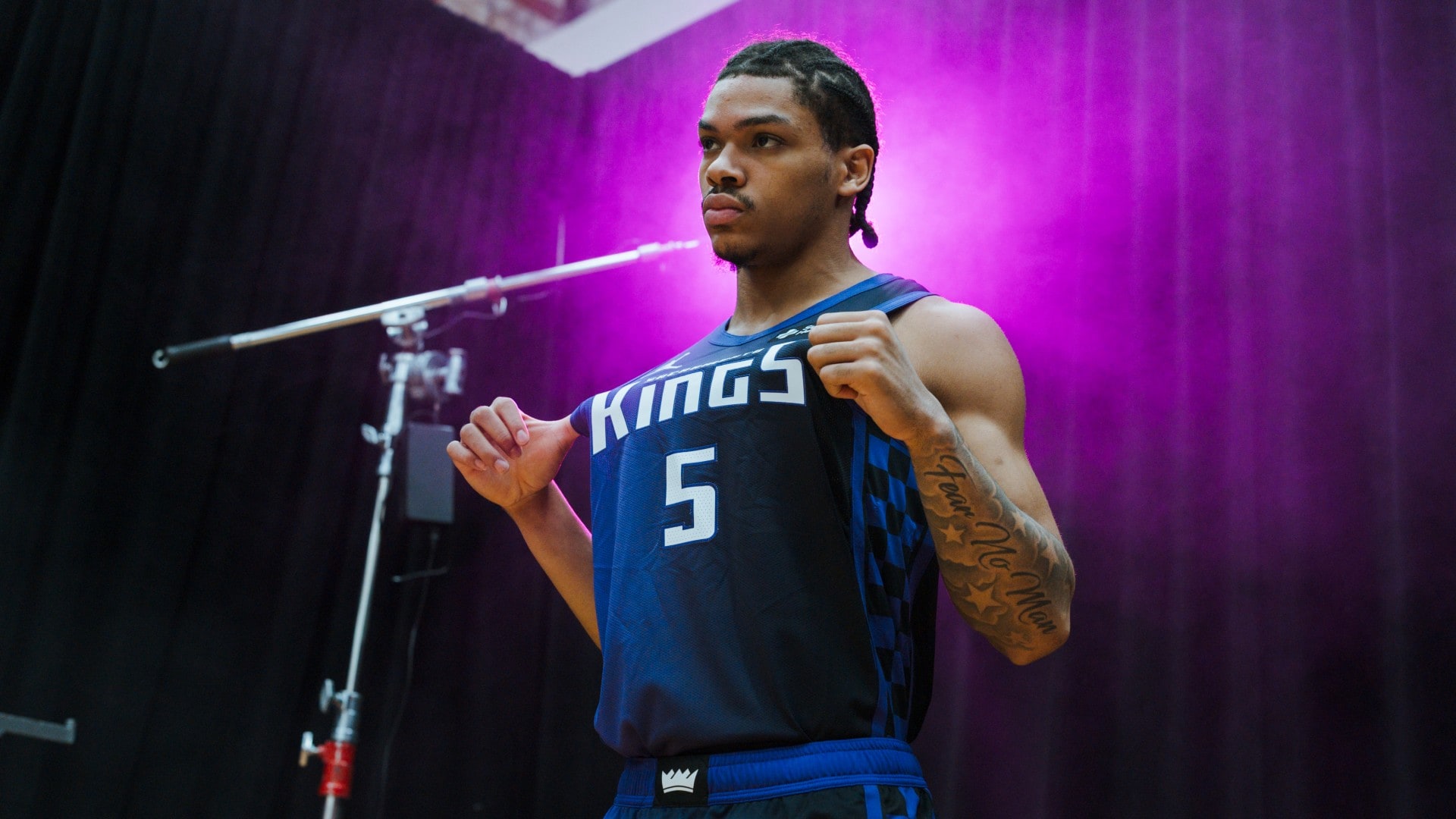
1. AJ Dybantsa, Washington Wizards
The Wizards and their fans are ecstatic about the upside of the Brigham Young University standout. As the third Wizards player drafted No. 1 overall (joining Kwame Brown in 2001 and John Wall in 2010), Dybantsa scored about a point per minute in the Las Vegas Summer League. He slots into a roster brimming with young talent, with veterans Trae Young and Anthony Davis counted on now for leadership.
2. Darryn Peterson, Utah Jazz
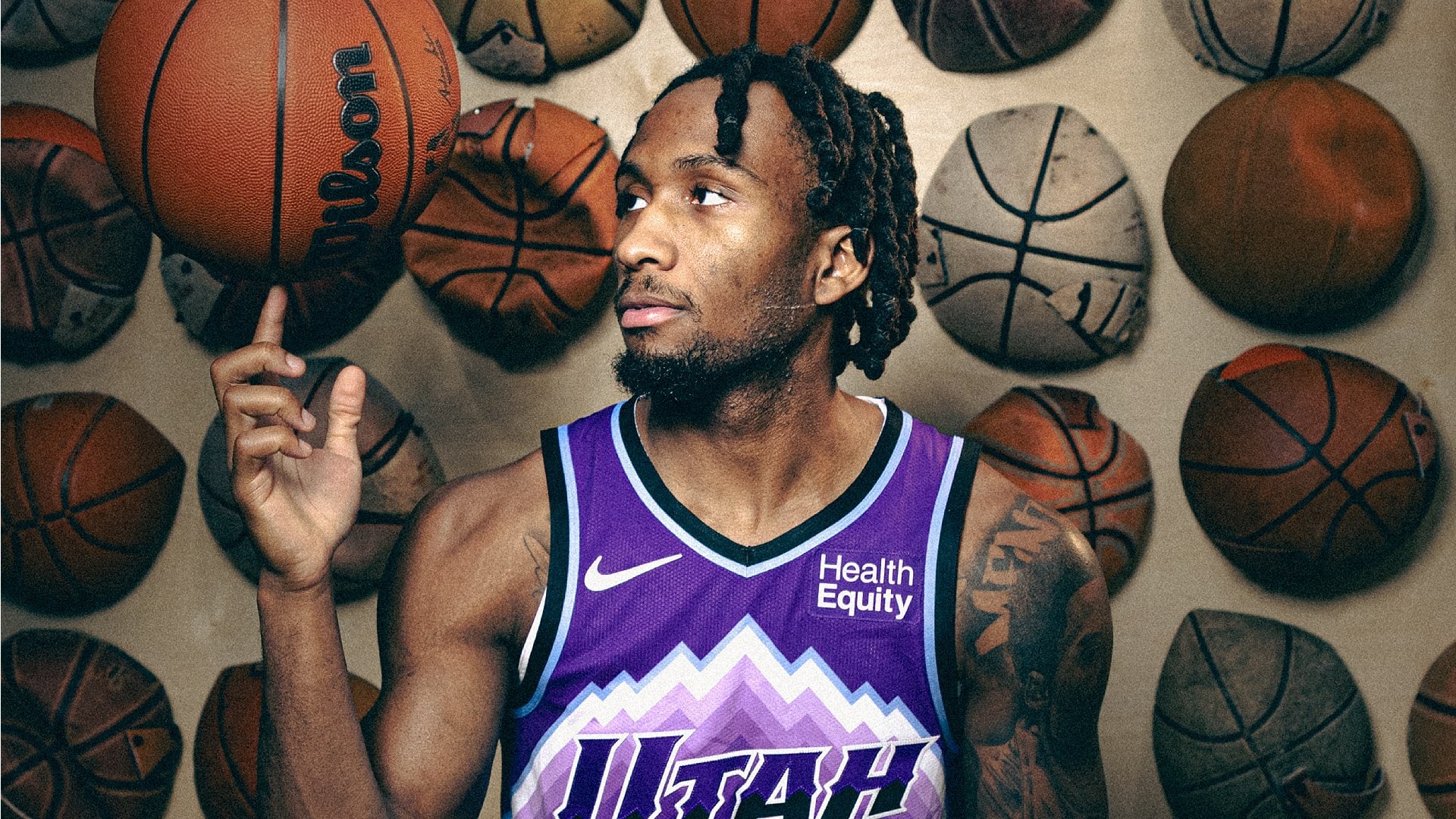
Expectations are high for Peterson, same as they were at Kansas last season. The difference is that the 6-foot-5 guard is surrounded by serious NBA talent, including firepower from the likes of Lauri Markkanen, Keyonte George and Jaren Jackson Jr. He’s brimming with confidence, but to etch his name alongside top Jazz rookies of the past such as Darrell Griffith (Utah’s only ROY), Andrei Kirilenko, Derrick Favors, Donovan Mitchell and George, Peterson will need to flex his overall game, not just his scoring.
3. Cameron Boozer, Memphis Grizzlies
Given Memphis’ reconfigured roster and ambitions, the son of two-time NBA All-Star Carlos Boozer could get the minutes and usage to post the type of numbers that have fueled winning at every level. The rugged 6-foot-9, 253-pound Boozer was college basketball’s Player of the Year and a first-team pick at the LVSL, where his smarts and his shooting drew high praise at both levels.
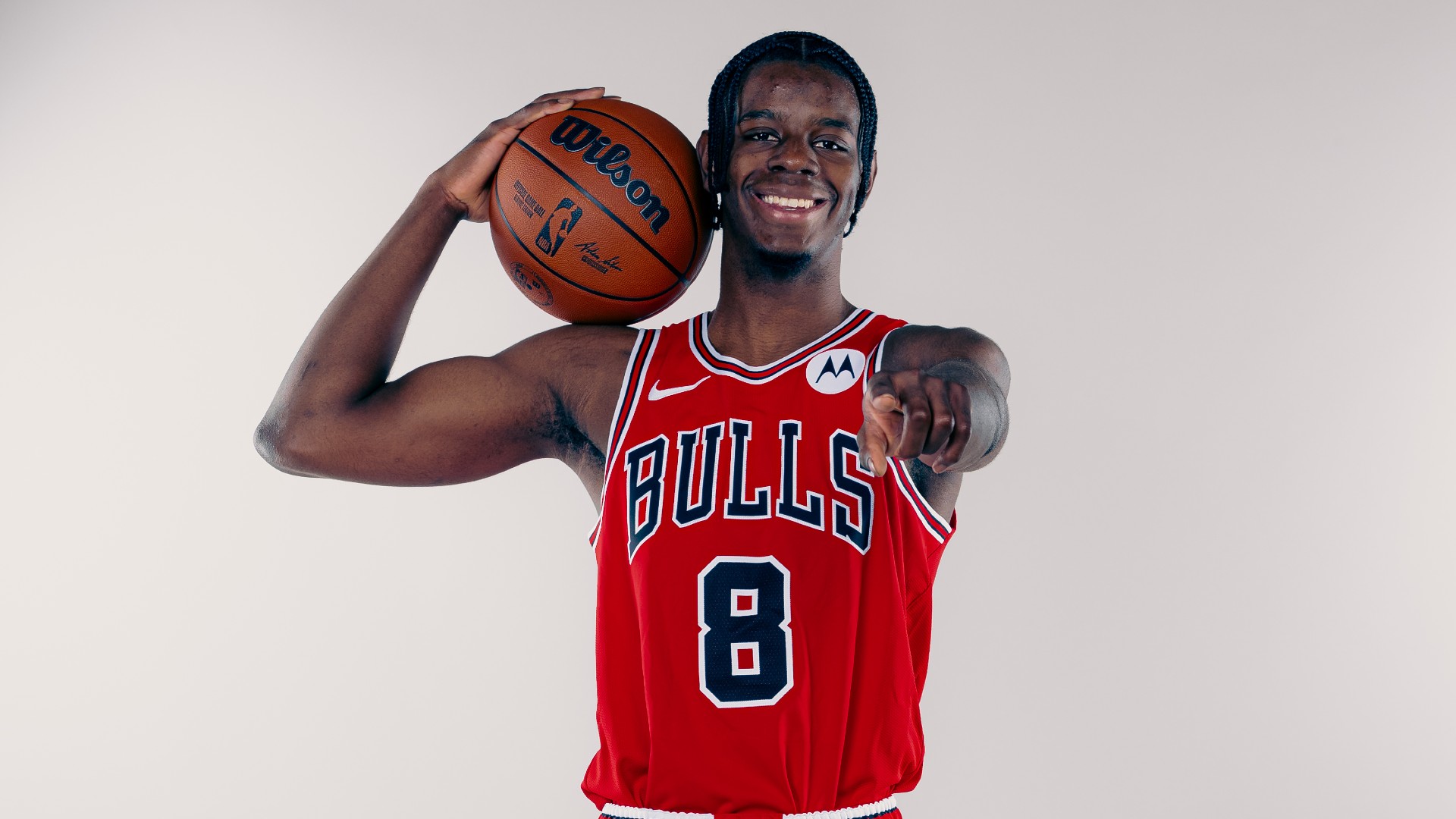
4. Caleb Wilson, Chicago Bulls
Insiders have been shuffling through comps, ceilings and floors for Wilson. Pascal Siakam, Tracy McGrady, Paul George, Shawn Kemp, Kevin Garnett and Kawhi Leonard (Wilson’s personal choice) have all been floated. More importantly, Wilson – who recently had some fun back in Chapel Hill, NC, as part of new Tar Heels coach Michael Malone’s alumni weekend – has stated his intentions to be great, to win that Chamberlain Trophy and lead a Bulls resurgence with teammates Matas Buzelis and Josh Giddy.
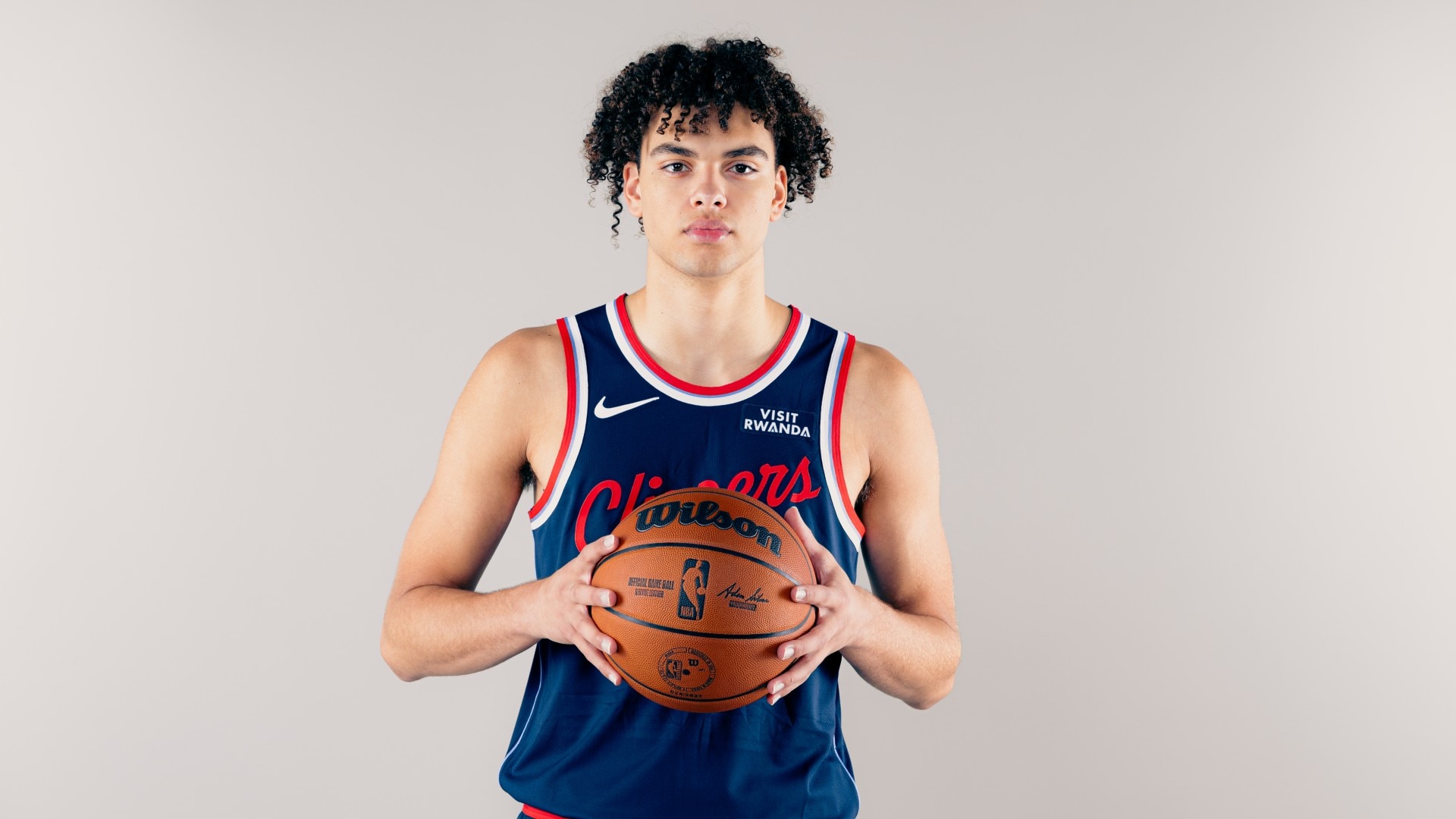
5. Keaton Wagler, Los Angeles Clippers
The 6-foot-6 shooting guard out of Illinois has high expectations as the first pick outside of the consensus Top 4. How he meshes in the backcourt with Darius Garland will be his biggest test as the Clippers enter a new era with All-Star forward Brandon Ingram and No. 13 pick in the 2023 Draft Gradey Dick joining LA in exchange for Kawhi Leonard.
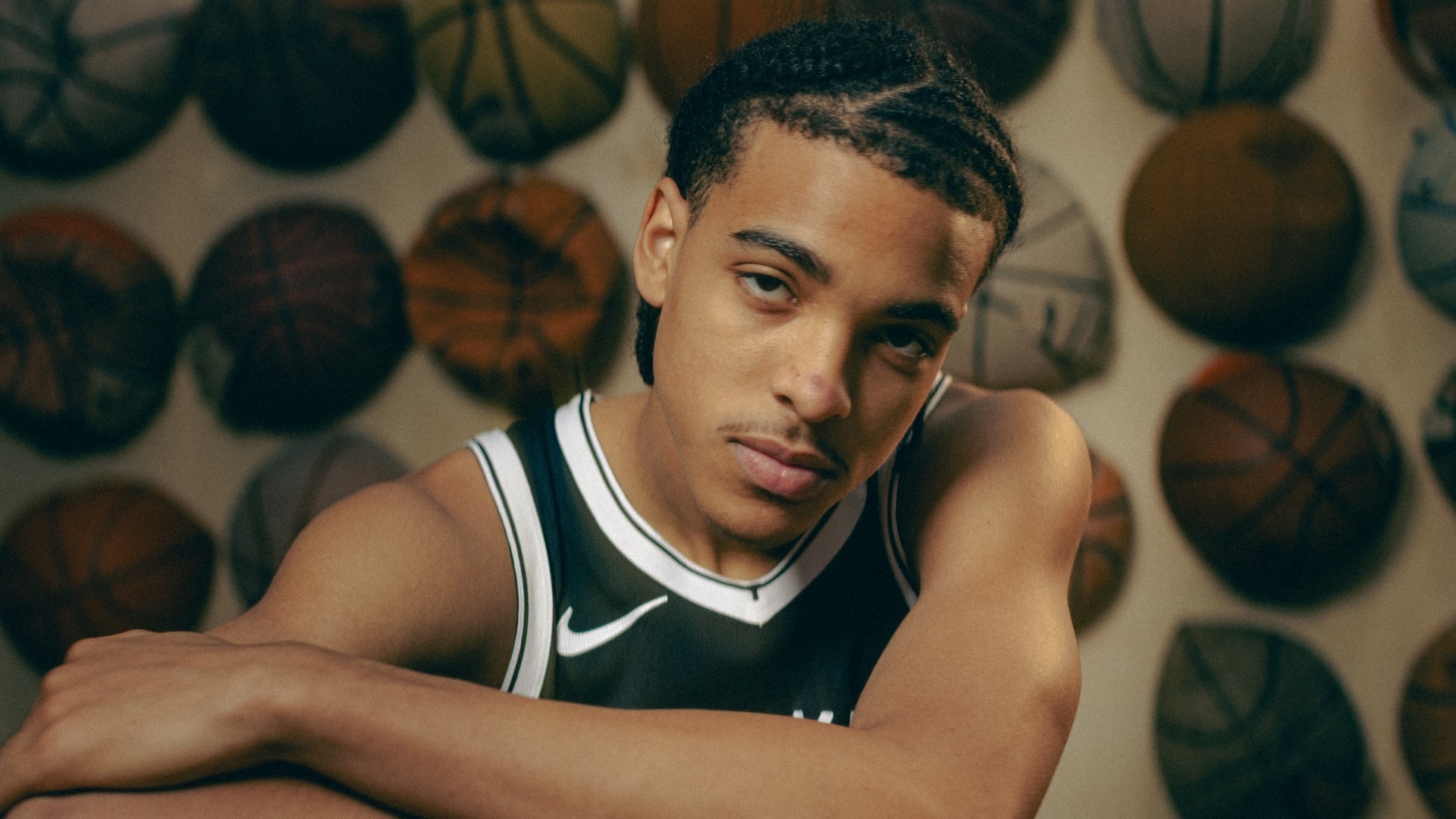
6. Mikel Brown Jr., Brooklyn Nets
Brown, a 6-foot-5, 190-pound point guard from Louisville, will be bringing more than his physical skills to the Nets’ young core. He got some master-class tutoring from former NBA All-Star Rajon Rondo, a Louisville native. “I was fortunate enough to have him as a mentor,” Brown Jr. said. “He invited me to his crib, and we watched some film together, played a little bit of chess. … I got to pick his brain a lot.” Top lesson? “Make the simple play.” Brooklyn needs that from Brown to improve on its total of 20 victories last season.
7. Darius Acuff Jr., Sacramento Kings
The standout guard from Arkansas should have plenty of opportunities in the backcourt for Sacramento after the departure of DeMar DeRozan this offseason. Acuff Jr., who averaged 19.0 points and 5.3 assists over three games in Las Vegas Summer League, has the skills and mindset to thrive alongside center Domantas Sabonis and guards Zach LaVine and Malik Monk as the Kings look to snap a three-season playoff drought.
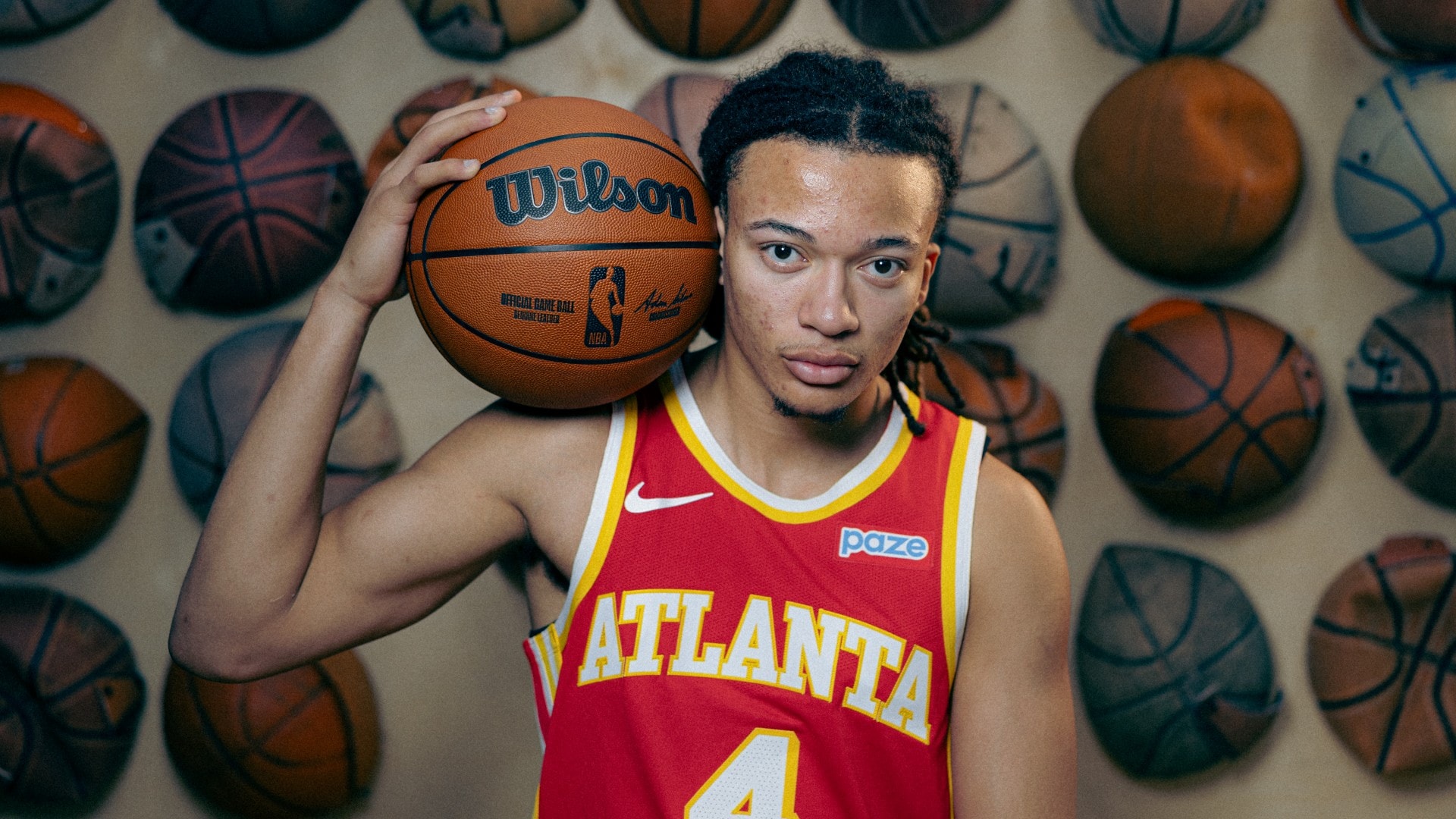
8. Kingston Flemings, Atlanta Hawks
A terrific athlete, Flemings averaged 16.1 points at Houston with a 3-to-1 assists/turnovers ratio and sank 39% of his 3-point attempts. He figures to do a lot of learning from the Hawks’ established guards in a crowded Atlanta backcourt featuring CJ McCollum, Nickeil Alexander-Walker, Dyson Daniels, Aaron Wiggins and others.
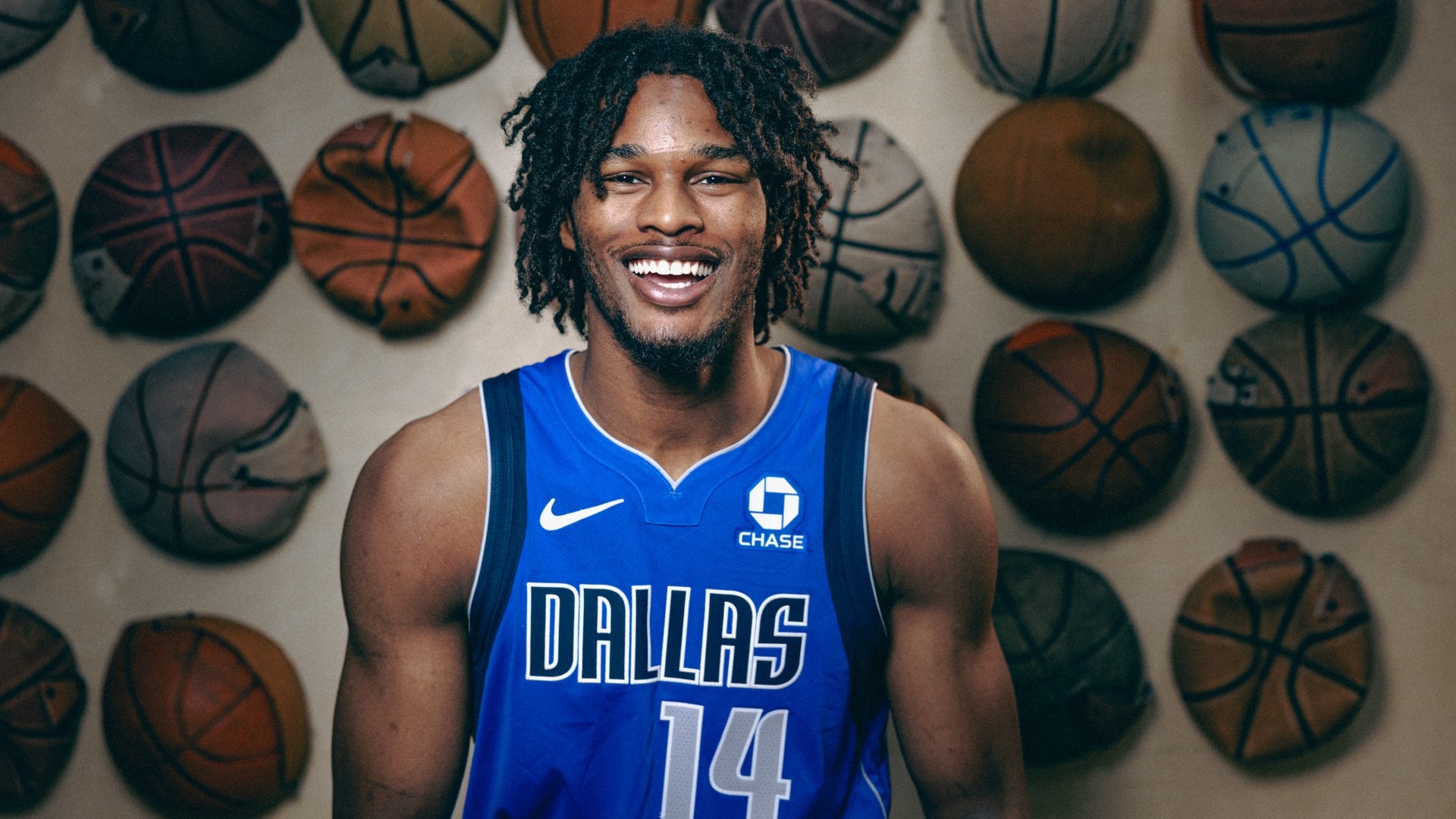
9. Morez Johnson Jr., Dallas Mavericks
Having your college coach’s moving van convoy with your own to the same city is one way to jump-start an NBA career. Johnson, the power forward from Michigan, is joined by his Wolverines coach Dusty May as Mavericks’ newcomers, both of whom were key in their school’s NCAA championship this spring. May sees “positional versatility” on Dallas’ roster, including his prize draft pick. “Morez can play a number of positions, and he can guard all five positions,” the coach said.
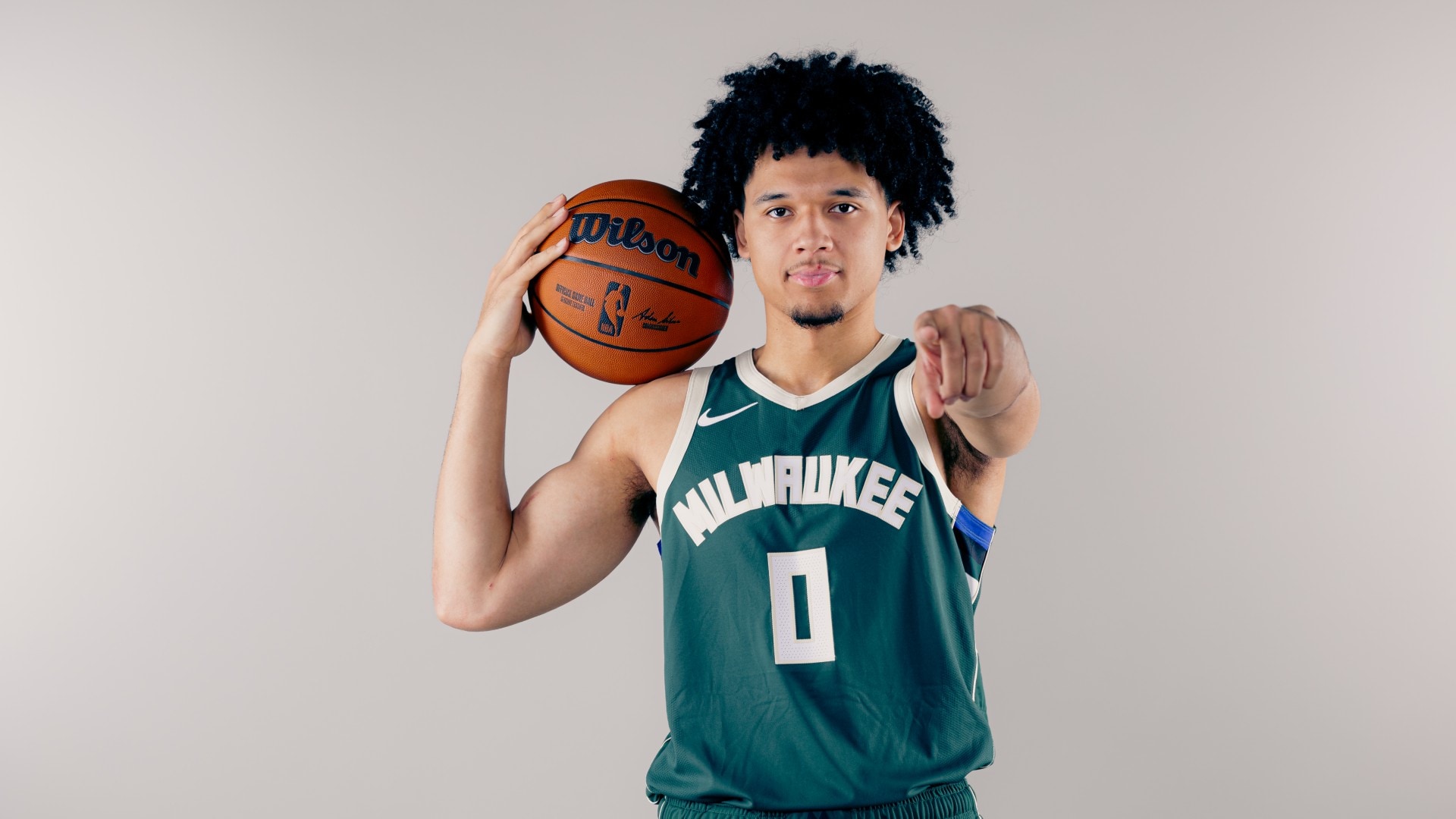
10. Brayden Burries, Milwaukee Bucks
Burries is the highest profile addition to Milwaukee’s rebuilding project, with unknowns crowding out expectations in the new post-Giannis Antetokounmpo era. The California native will most likely log a lot of time next season, with Bucks fans eager to see if the Jrue Holiday/Derrick White comps are reasonable for the sturdy 6-foot-4 guard. Turning 21 on Friday, Burries averaged 16.1 points at Arizona. His college coach Tommy Lloyd said, “There’s nothing wrong with being a great human being off the court and being a killer on the court. He definitely has that combination.”
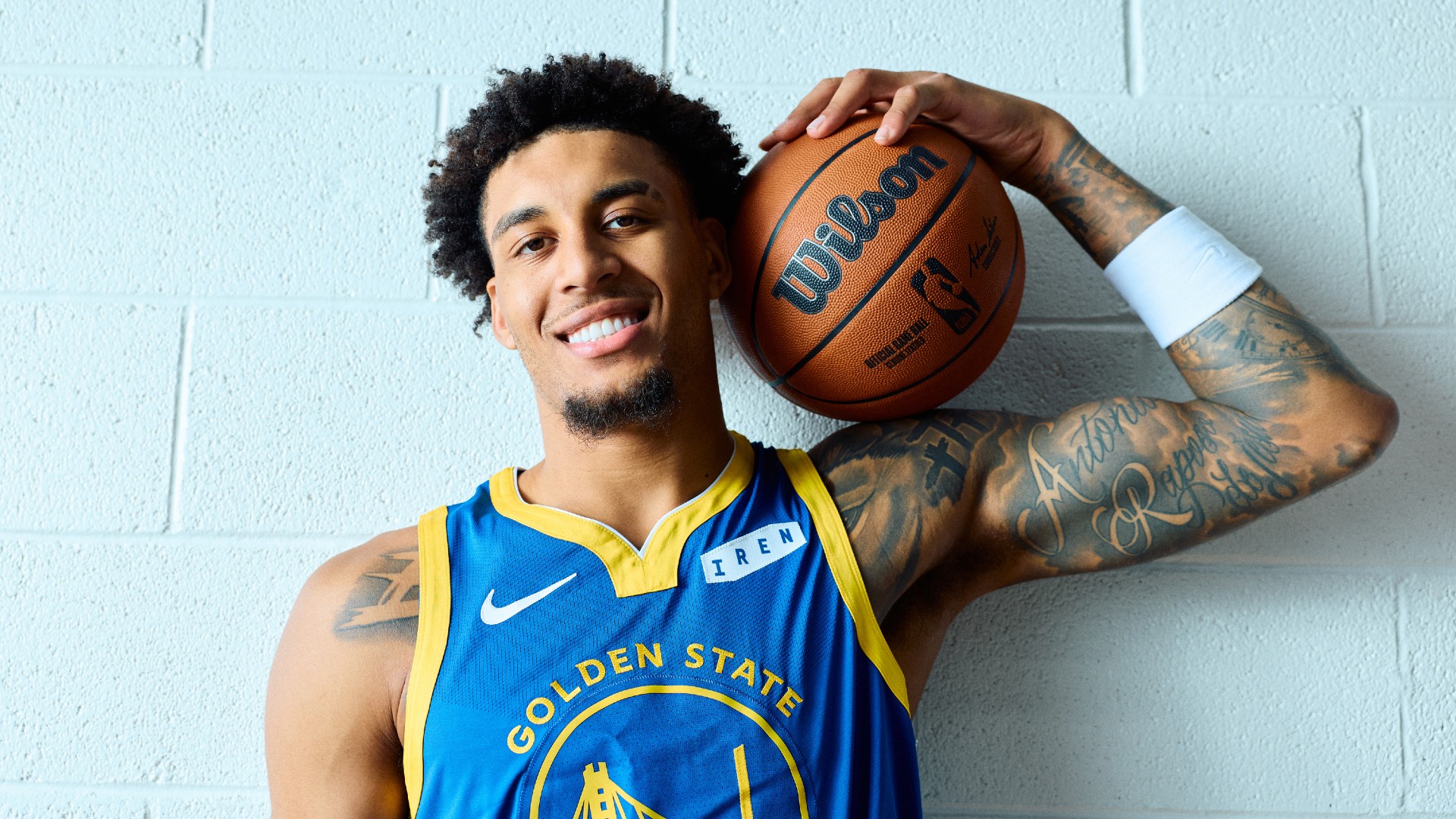
11. Yaxel Lendeborg, Golden State Warriors
Lendeborg, an athletic 6-foot-9 native of Puerto Rico, will turn 24 as training camp begins, with a potential ready-or-not role in the Warriors’ injury-muddled rotation. No Jimmy Butler or Moses Moody means minutes and enhanced opportunities for Lendeborg and others, at least through the season’s first half. He got started by earning MVP honors at the LVSL, on the heels of his work helping Michigan snag its NCAA championship.
The Association: Yaxel Lendeborg wins Summer League MVP
The Association looks at Yaxel Lendeborg’s run to Summer League MVP and how he can help Golden State in 2026-27.
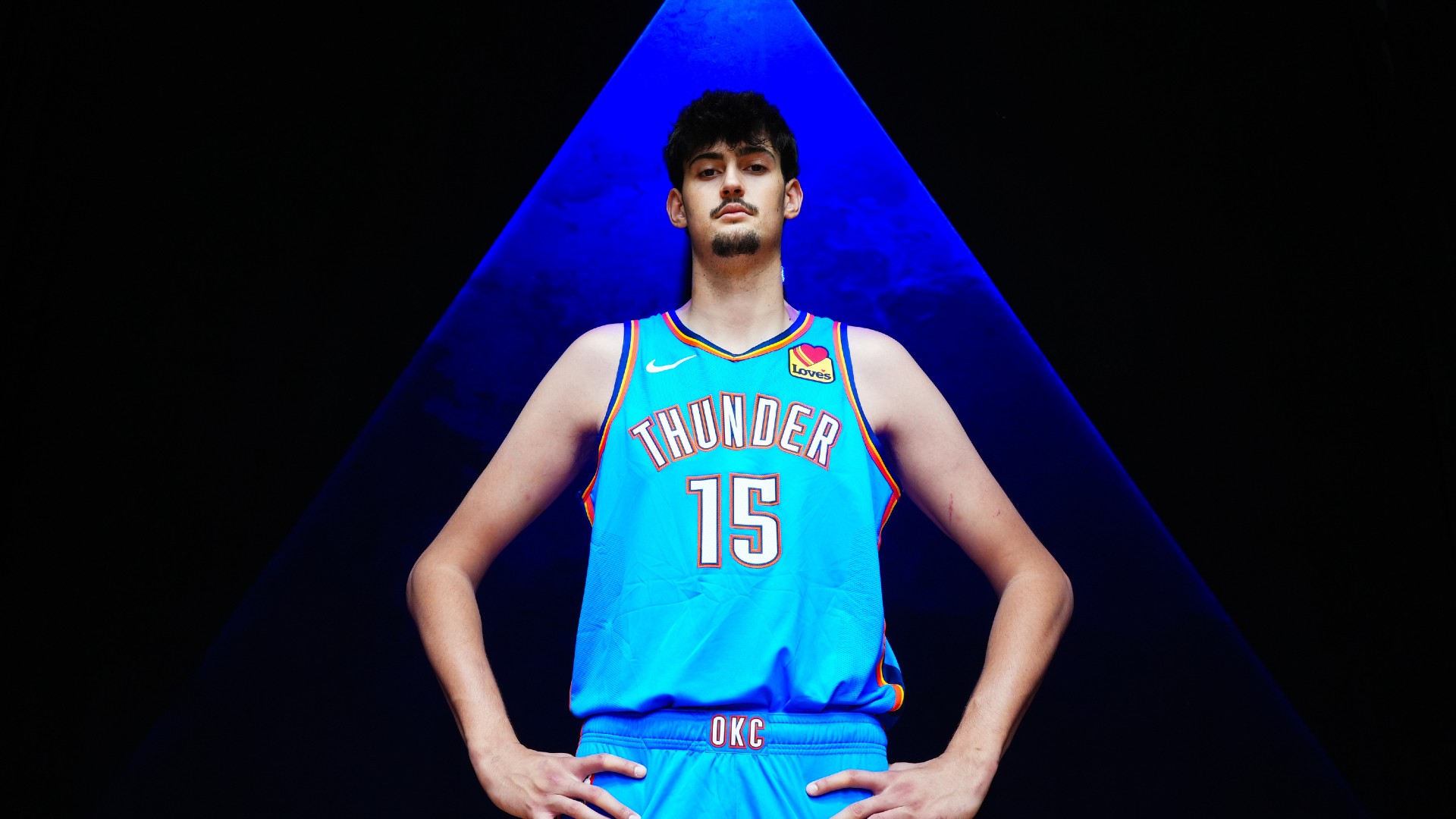
12. Aday Mara, Oklahoma City Thunder
The third member of the Wolverines’ title team to get drafted in the lottery, Mara has been touted as Spain’s and OKC’s counter to the Spurs’ Victor Wembanyama. At 7-foot-3 and 260, he definitely has the size to bother the lanky Frenchman in relay with Chet Holmgren and Isaiah Hartenstein.
13. Nate Ament, Milwaukee Bucks
Milwaukee is the only team with two players selected in the lottery, and the Bucks hope Ament eventually can have the impact they envision for Burries. A raw 6-foot-10 from Tennessee who was part of the Giannis deal with Miami, Ament had some bumpy moments in Las Vegas but has gotten back in the gym in late summer to strengthen and refine his game.
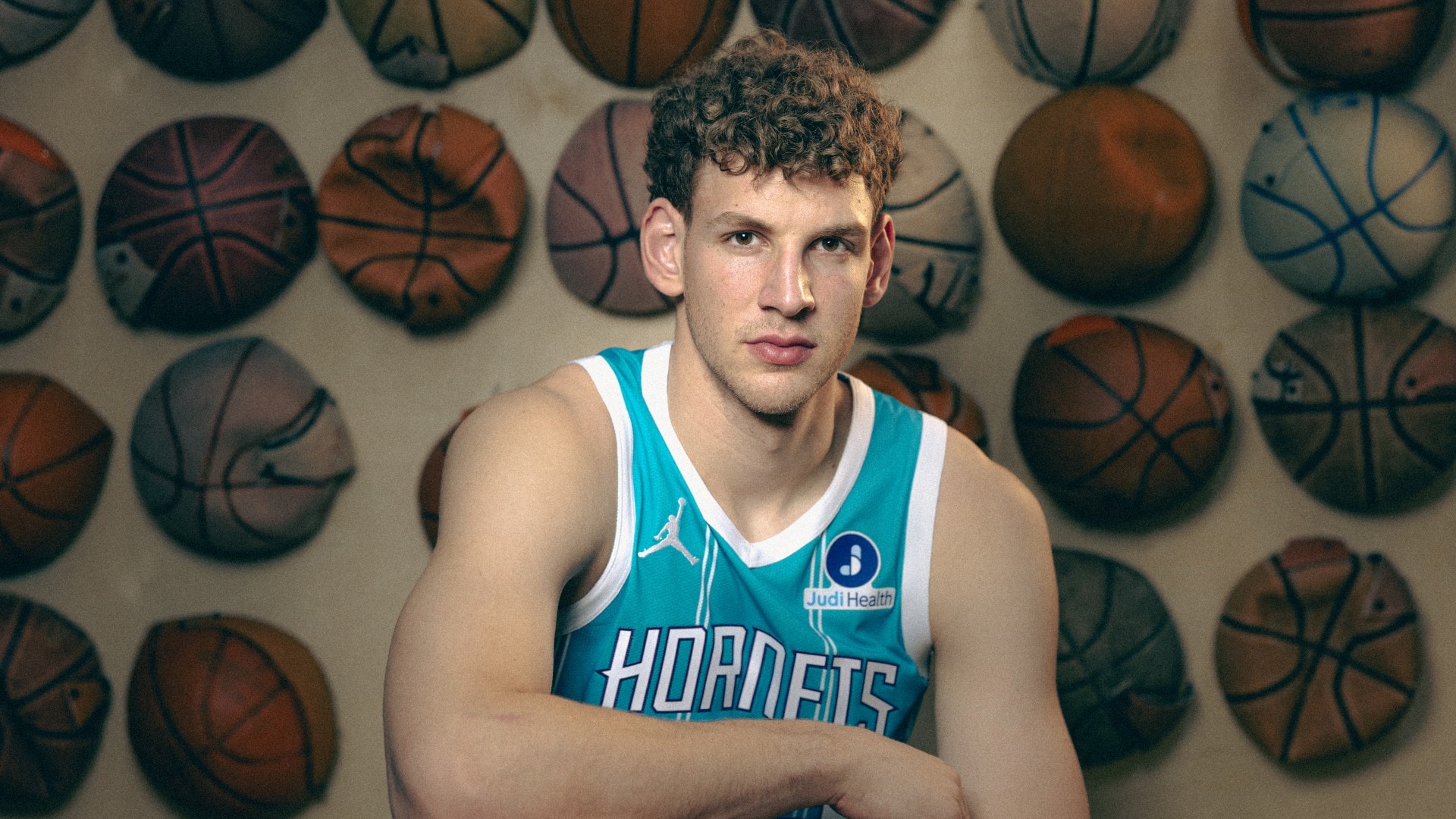
14. Hannes Steinbach, Charlotte Hornets
Drafted to beef up the Hornets’ front line, Steinbach demonstrated his European pro roots promptly over the summer. At Washington, he had 22 double-doubles in 30 appearances, then averaged 15.8 points in Las Vegas while making 60% of his shots, including half of his threes. His size (6-foot-11, 248 pounds) will matter most defensively, helping out Moussa Diabaté, Grant Williams and Ryan Kalkbrenner.
El Comité Ejecutivo de la Uefa confirmó este martes las sedes de las finales de sus competiciones de clubes de las próximas temporadas, con el Camp Nou como escenario de la Champions League 2029 y el Múnich Arena alemán como el de la temporada que viene en 2028.
En la reunión celebrada en la ciudad griega de Salónica, el Ejecutivo también decidió que la final de la Champions League femenina 2027-2028, a la que aspiraba, entre otros, el estadio de San Mamés de Bilbao, será en el Parc Olympique de Lyon (Francia) y que la de la campaña 2028-2029 se jugará en el Estadio Nacional de Gales, en Cardiff.
Camp Nou. Foto:AFP
El campo del Barcelona optaba a la final de la Champions League masculina frente al estadio londinense de Wembley, que es el elegido para albergar las dos semifinales y la final de la próxima Eurocopa en 2028, que organizarán de forma conjunta Inglaterra, República de Irlanda, Escocia y Gales.
Barcelona volverá a ser la sede de la final de la Champions League 30 años después. El Camp Nou ya acogió la definición de la competición en 1999, con victoria del Manchester United contra el Bayern Múnich (2-1), y en 1989, aún con la denominación de Copa de Europa, la que disputaron Milan y Steaua de Bucarest (4-0). Para 2029 será el campo con mayor aforo de Europa, con una capacidad de 104.600 espectadores.
Nuevo Camp Nou. Foto:AFP
Construido en 1957, el Camp Nou figura en la candidatura del Mundial 2030 que España organizará con Portugal y Marruecos como una de las sedes propuestas por la Real Federación Española de Fútbol (RFEF) para albergar el partido inaugural y la final.
El Ejecutivo de la Uefa también confirmó el Allianz Arena de Múnich, único que había presentado su candidatura, como escenario de la final de la Champions League 2028, un año después de que el estadio Metropolitano de Madrid acoja la de la presente temporada el 5 de junio de 2027.
Allianz Arena de Múnich Foto:iStock
Además de las sedes de finales de la Champions League masculina y femenina, la Uefa eligió a su vez al Nacional Arena de Bucarest para acoger la final de la Liga Europa 2028 y al Estadio Nacional de Serbia en Belgrado para la de 2029.
La final de la Liga Conferencia 2028 será en Turín, en el Juventus Stadium, y la de 2029 en Budapest, en el Puskás Arena.
Juventus Stadium Foto:Juventus
La próxima edición de la Supercopa en 2027 se jugará en el Johan Cruyff Arena de Ámsterdam y la de 2028 en el Astaná Arena.
La final de la Champions League de fútbol sala se celebrará en Suiza, en el Biena Arena.
Un hecho bastante reprochable se dio el pasado fin de semana en la Liga Profesional de Arabia Saudita, donde los aficionados de Al Taawoun lanzaron cánticos burlones en referencia a Diogo Jota, futbolista portugués que murió en un trágico accidente de tránsito en julio de 2025. La situación generó una gran indignación y uno de los que levantó la voz fue Cristiano Ronaldo.
La estrella de Al Nassr se mostró muy contrariada el pasado sábado y no fue por el empate de su equipo contra Al Khaleej. En el partido en el que Al Hilal destrozó a Al Taawoun (6-0), un grupo de aficionados le cantó a Ruben Neves “Jota, Jota, Jota” en tono burlón.
Cristiano Ronaldo y Diogo Jota Foto:AFP
Ronaldo, enojado en Arabia
Cristiano Ronaldo se enteró de lo sucedido en el estadio de Al Taawoun y explotó por la falta de respeto de estos aficionados con la familia del astro portugués que perdió la vida en julio del año pasado en un accidente de tránsito en España.
El astro luso condenó los cánticos burlones en contra de su compatriota y le solicitó a la Liga Profesional de Arabia Saudita prohibirle de por vida a este grupo de aficionados el ingreso a los estadios.
Cristiano Ronaldo, en el juego Portugal vs. Croacia Foto:Getty Images via AFP
“La liga debe tomar medidas y castigar este tipo de comportamiento de los aficionados. Esto ya no es fútbol y debe haber límites. A las personas que se comportan así nunca se les debería permitir volver a entrar en un estadio”, fueron las palabras del luso en un video publicado en Instagram.
Bochornoso hecho contra la memoria de Diogo Jota
Las autoridades del fútbol saudita prometieron sanciones contra los aficionados de Al Taawoun que lanzaron cánticos ofensivos en referencia al portugués Diogo Jota para desestabilizar emocionalmente a Ruben Neves, jugador rival del Al Hilal.
Ruben Neves Foto:Getty Images via AFP
Los aficionados del equipo local se dedicaron a entonar cánticos y consignas con referencias al accidente que costó la vida al entonces delantero del Liverpool, de 28 años, y a su hermano André, de 25 años de edad.
El objetivo no era otro que desestabilizar a Ruben Neves, una de las estrellas del Al Hilal y uno de los mejores amigos y compañero de selección de Diogo Jota, al punto de haber sido una de las personas que cargó el féretro del futbolista durante su funeral.
Diogo Jota murió el 3 de julio de 2025. Foto:BENJAMIN CREMEL / AFP
Ruben Neves reaccionó con ironía levantando el pulgar y aplaudiendo hacia los aficionados rivales antes de señalar con el dedo al cielo. “Solo espero que luego no vayan a rezar después de lo que hicieron”, dijo Neves tras el partido.
Arabia Saudí promete mano dura
La Federación de Fútbol de Arabia Saudita y la Saudi Pro League condenaron la “conducta inaceptable de algunos aficionados” en un comunicado conjunto.
Al-Hilal Foto:@alhilal
“Explotar tragedias personales con fines de abuso o provocación es un comportamiento inaceptable que no tiene cabida en el fútbol saudita”, añadieron ambas entidades, que además prometieron tomar “medidas”.
“Los comités competentes han identificado la conducta en cuestión y tomarán las medidas necesarias de acuerdo con la normativa y los procedimientos aplicables”.
Ya tienes una cuenta vinculada a EL TIEMPO, por favor inicia sesión con ella y no te pierdas de todos los beneficios que tenemos para tí. Iniciar sesión
Hazme un resumen de las noticias más relevantes.
¿Qué está pasando en Colombia?
¿Qué ocurre en el mundo hoy?
¿Qué pasó en deportes hoy?
¿Quién es James Rodriguez?
James Rodríguez, es un futbolista colombiano que juega como centrocampista en el São Paulo Futebol Clube de la Serie A de Brasil.
Te recomiendo estos artículos para ampliar tu búsqueda.
¡Hola! Parece que has alcanzado tu límite diario de 3 búsquedas en nuestro chat bot como usuario registrado.
¿Quieres seguir disfrutando de este y otros beneficios exclusivos?
Adquiere el plan de suscripción que se adapte a tus preferencias y accede a ¡contenido ilimitado! No te
pierdas la oportunidad de disfrutar todas las funcionalidades que ofrecemos. 🌟
¡Hola! Haz excedido el máximo de peticiones mensuales.
Estamos resolviendo el problema, inténtalo nuevamente más tarde.
Procesando tu pregunta… ¡Un momento, por favor!
Dos hombres armados en motocicleta abrieron fuego contra los asistentes del juego. Las autoridades investigan un ataque dirigido.
Luto en el fútbol Foto: iStock
PERIODISTAActualizado:
Un ataque armado registrado durante un partido de fútbol amateur dejó un saldo de una persona muerta y seis heridas el pasado domingo en la ciudad de San Francisco del Rincón, en el estado de Guanajuato, México. Un grupo de pistoleros se movilizó en motocicleta hasta la línea de banda del campo de juego y disparó de manera directa hacia la multitud.
Ataque armado en México Foto:Captura de pantalla
La acción provocó que los jugadores y espectadores se dispersaran para buscar refugio, mientras testigos presenciales registraban las detonaciones con teléfonos celulares.
A raíz de la balacera, siete personas sufrieron heridas de diversa gravedad. Los familiares de los afectados procedieron a trasladarlos a centros hospitalarios por sus propios medios. Posteriormente, las autoridades sanitarias confirmaron el fallecimiento en el hospital de un hombre de 25 años identificado como Julio César, quien se desempeñaba como vendedor de comida.
Entre los lesionados que permanecen hospitalizados se identificó a dos hombres: Israel, de 25 años, y Christian Antonio. Las otras cuatro personas heridas continúan bajo observación médica en los establecimientos de salud de la región.
Ataque armado en México Foto:Captura de pantalla
Avances en la investigación
De acuerdo con las declaraciones de un funcionario municipal que hizo presencia en la escena del crimen, las indagaciones preliminares apuntan a que los agresores tenían como objetivo a dos individuos específicos presentes en el recinto, por lo que las demás personas resultaron afectadas como víctimas colaterales durante el despliegue de los disparos.
La Fiscalía General del Estado de Guanajuato inició la carpeta de investigación correspondiente por el delito de homicidio para dar con el paradero de los responsables.
Ataque armado en México Foto:Captura de pantalla
Por su parte, el ayuntamiento local informó que brindará asistencia a las víctimas y sus familiares, además de colaborar con las autoridades judiciales en el esclarecimiento del hecho.
El antecedente más cercano de agresiones en recintos deportivos de la zona se remonta al mes de enero en la localidad de Salamanca, donde un ataque armado dejó un saldo de 11 personas fallecidas.
Este contenido fue reescrito con la asistencia de una inteligencia artificial.